
Treatment Overview
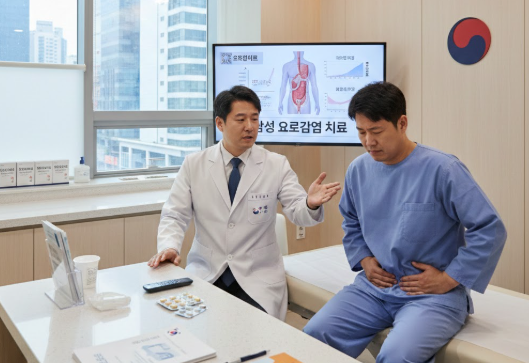
Male Urinary Tract Infections (UTIs) are less common than in women but often more serious due to longer urethral length and potential involvement of the prostate. In Korea, male UTI treatment is handled with high diagnostic precision, modern technology, and specialist urologists experienced in managing complex and recurrent cases. Medical tourists choose Korea because testing is fast, results are accurate, and treatment is personalized based on bacterial sensitivity.
Male UTI treatment in Korea focuses on quickly identifying the cause of infection—whether bacterial, prostate-related, or structural—and delivering targeted antibiotics and supportive therapies. Korean hospitals are known for cleanliness, efficiency, and international-patient–friendly services that ensure comfort and privacy throughout the process.
Purpose & Benefits
The goal of male UTI treatment is to eliminate infection, relieve pain, prevent kidney damage, and treat underlying problems such as prostate enlargement or urinary retention.
Key benefits include:
• Rapid urinalysis and culture results
• Precise identification of infection-causing bacteria
• Tailored antibiotic therapy
• Reduced antibiotic resistance due to strict prescribing practices
• Pain and burning relief within 24–48 hours
• Early detection of prostate issues or structural problems
• Comprehensive care for chronic or recurrent infections
Korea’s advanced diagnostic systems help detect hidden causes such as urethral strictures, enlarged prostate, or kidney involvement—ensuring long-term recovery.
Ideal Candidates
Male UTI treatment in Korea is ideal for:
• Men experiencing burning or painful urination
• Frequent urge to urinate or difficulty emptying the bladder
• Cloudy, foul-smelling, or bloody urine
• Fever, chills, or lower back pain
• Men with recurrent UTIs
• Older men with prostate enlargement (BPH) symptoms
• Men with diabetes or weakened immunity
• Men with a history of kidney stones
• Travelers needing fast, reliable treatment while in Korea
Korean doctors are trained to handle both simple UTIs and complicated infections linked to prostate or kidney issues.
Possible Risks & Complications
Male UTIs can lead to significant complications if not treated promptly:
• Kidney infection (pyelonephritis)
• Prostatitis (swelling of the prostate)
• Recurrent and chronic UTIs
• Urethral stricture
• Sepsis in severe cases
• Bladder dysfunction
Potential risks during treatment include:
• Mild stomach upset due to antibiotics
• Temporary yeast infection
• Rare allergic reactions
Korean clinics minimize these risks through precise testing, proper medication selection, and detailed follow-up care.
Techniques & Technology Used
Male UTI treatment in Korea utilizes some of the most advanced diagnostic and therapeutic techniques in Asia.
Diagnostic Technologies:
• Automated urinalysis with microscopic evaluation
• Urine culture and antibiotic sensitivity testing
• Prostate ultrasound (TRUS)
• Uroflowmetry to check bladder emptying
• Abdominal ultrasound for kidney evaluation
• Cystoscopy for recurrent or unexplained infections
• PCR tests for resistant bacteria or STI-related infections
Treatment Techniques:
• Short-course or extended-course antibiotics
• Prostate-targeted antibiotics for chronic prostatitis
• Pain relief and anti-inflammatory medications
• Hydration and supportive therapy
• Probiotics to protect digestion
• Treatment for underlying issues—BPH, stones, blocked urethra
Korea’s precision-based approach reduces recurrence and improves long-term urinary health.
Treatment Process in Korea
The treatment pathway for male UTI in Korea is organized, fast, and ideal for international patients.
- Initial Consultation
Doctors review symptoms, medical history, prostate health, and risk factors. - Urinalysis
Results available within 5–20 minutes. - Urine Culture
Identifies bacteria and antibiotic sensitivity; results in 24 hours. - Prostate Examination (if needed)
Especially important for chronic or recurrent UTIs. - Imaging Tests
Ultrasound of bladder, kidneys, or prostate may be conducted. - Antibiotic Treatment
Prescription depends on culture results and infection severity. - Advanced Testing for Recurrence
Cystoscopy, uroflowmetry, or hormonal evaluation. - Follow-Up Review
Doctors ensure that the infection is fully cleared and adjust medication as needed.
Most patients receive diagnosis and treatment on the same day, making it convenient for medical tourists.
Recovery & After-Care
Recovery from a male UTI is typically quick with appropriate treatment.
After-care recommendations:
• Drink 2–3 liters of water daily
• Complete the full antibiotic course
• Avoid alcohol and caffeine temporarily
• Use warm compresses to ease pelvic pain if present
• Maintain good hygiene
• Avoid sexual activity until symptoms fully disappear
• Take probiotics if recommended
• Follow-up testing for recurrent cases
Korean clinics provide detailed lifestyle guidance to reduce recurrence, especially for men with prostate enlargement or bladder retention issues.
Results & Longevity
Men typically feel significant symptom relief within 24–48 hours of beginning treatment. Full recovery generally occurs in 5–10 days. If the infection is related to the prostate, treatment may last longer—up to several weeks.
Long-term results are excellent when the underlying cause is identified. Korea’s advanced evaluations help prevent future infections by addressing factors such as:
• Prostate inflammation
• Kidney or bladder stones
• Urethral narrowing
• Poor bladder emptying
This helps ensure strong, lasting urinary health and reduces repeated infections.
Why Korea Is a Top Destination
Korea is one of the best countries in Asia for male UTI treatment because:
• Highly skilled urologists specializing in male urinary health
• Rapid diagnostics with same-day results
• Advanced technology for prostate and bladder evaluation
• Low antibiotic resistance rates
• Affordable yet premium-quality medical care
• English-speaking staff in major hospitals
• Short waiting times and streamlined care
• International patient centers for smooth appointments
Many patients choose Korea because they can receive world-class urology care quickly and affordably.
Cost Range
Male UTI treatment prices in Korea vary by clinic and required tests:
• Consultation: $20–$40
• Urinalysis: $10–$20
• Urine culture: $25–$40
• Prostate ultrasound: $50–$100
• Abdominal ultrasound: $50–$100
• Antibiotics: $10–$30
Estimated Total: $70–$200
For complicated or recurrent cases requiring cystoscopy or advanced tests, costs may rise to $250–$450.
Popular Clinics in Korea
Top medical centers offering specialized male UTI care include:
• Seoul National University Hospital – Urology Center
• Samsung Medical Center – Men’s Urology
• Asan Medical Center
• Severance Hospital (Yonsei University)
• Korea University Anam Hospital
• Gachon University Gil Medical Center
• Seoul Urology Clinic
• UroU Urology Center (specialized in male urinary disorders)
These clinics are equipped with advanced imaging, modern laboratories, and multilingual patient services.


