
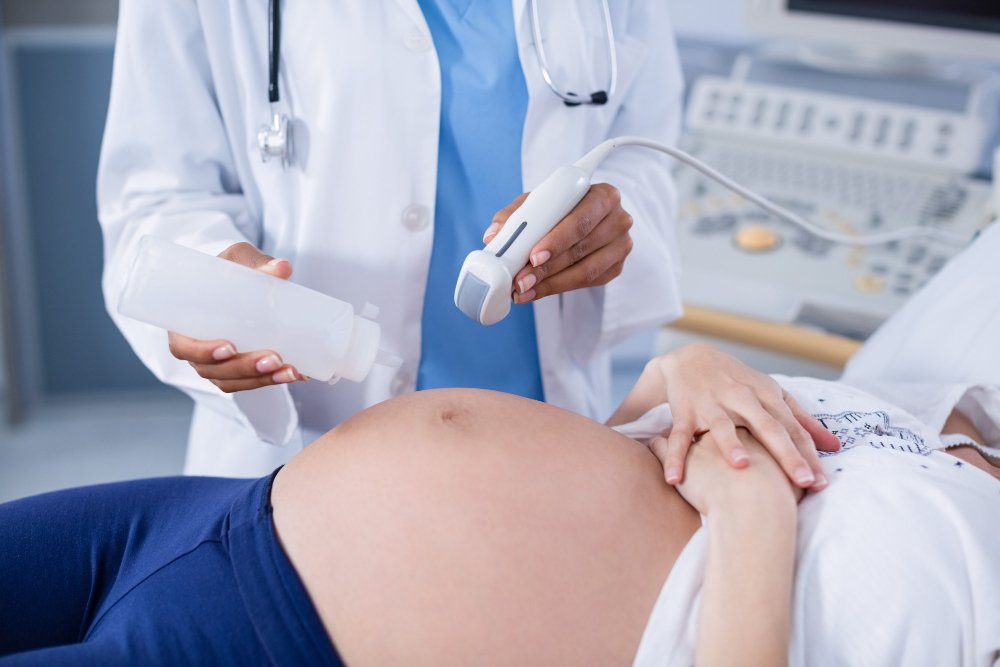
Melasma—often referred to as the “mask of pregnancy”—is one of the most common skin concerns that expectant mothers face. Characterized by irregular brown or gray patches on the cheeks, forehead, nose, and upper lip, this pigmentation is often triggered or worsened by hormonal changes during pregnancy.
Fortunately, Korean dermatology clinics are well-equipped with safe, pregnancy-friendly treatments that focus on minimizing pigment, protecting skin health, and preventing long-term discoloration, all while prioritizing maternal and fetal safety.
🤰 Why Does Melasma Worsen During Pregnancy?
During pregnancy, the body produces more estrogen, progesterone, and melanocyte-stimulating hormone. These hormonal changes stimulate melanin production—especially when combined with sun exposure and heat—leading to:
- Dark facial patches
- Uneven skin tone
- More sensitivity to UV radiation
- Higher risk of post-inflammatory hyperpigmentation (PIH)
Korean dermatologists typically categorize pregnancy melasma as epidermal or mixed, and tailor treatment plans accordingly.
🚫 What to Avoid During Pregnancy
Safety is paramount during pregnancy, and many standard melasma treatments are not recommended during this time.
Ingredients to AVOID:
| Ingredient | Reason |
|---|---|
| Hydroquinone | High absorption rate through skin; potential systemic risk |
| Tretinoin/Retinoids | Category X in pregnancy; risk of fetal malformations |
| Oral Tranexamic Acid | Not advised due to blood clotting concerns |
| High-strength AHAs/BHAs | Can cause irritation and inflammation |
| Laser Treatments | Generally postponed due to skin sensitivity and hormonal unpredictability |
✅ Safe Melasma Treatments in Korean Clinics During Pregnancy
Korean dermatology clinics offer gentle, non-invasive alternatives tailored to the unique needs of pregnant patients:
1. Topical Azelaic Acid
- Safe Category: Considered safe in pregnancy
- Function: Brightens pigmentation, reduces inflammation
- Format in Korea: Prescription creams, foams, or serums
- Clinic brands: Skinoren®, Azalex®, or compounded formulas
Korean dermatologists often use azelaic acid as a first-line topical treatment for melasma in pregnancy.
2. Niacinamide (Vitamin B3)
- Function: Inhibits melanin transfer and strengthens skin barrier
- Safe during pregnancy: Yes, non-teratogenic
- Found in: Moisturizers, ampoules, soothing creams
- Korean brands: Dr. Jart+, AHC, and many in-house clinic formulations
Bonus: Niacinamide helps with pregnancy-induced dryness and redness.
3. Brightening Ampoule Facials (Non-invasive)
Offered at Korean skin clinics as monthly maintenance treatments, these include:
- Vitamin C infusion
- Centella asiatica extract
- Glutathione + botanical brighteners
- Oxygen facials or LED therapy (cool light only)
No harsh chemicals or needles—just calming and pigment-suppressing hydration.
4. Gentle Korean Skincare Regimens
Your dermatologist may recommend an at-home protocol using K-beauty products with pregnancy-safe actives, such as:
- Mild exfoliation (PHA or LHA-based)
- Hydrating serums with licorice extract or arbutin
- Daily SPF 50+/PA++++ sunscreens with zinc oxide or titanium dioxide
Korean dermatologists emphasize a minimalist routine that protects the skin barrier.
5. Sun Protection: The #1 Priority
Melasma worsens significantly with UV and visible light exposure. Clinics will emphasize:
- Daily application of broad-spectrum sunscreen
- Reapplication every 2–3 hours
- Physical sunblocks preferred (zinc or titanium-based)
- Wide-brim hats and sun-protective clothing
Some Korean clinics provide tinted mineral SPF for additional visible light protection.
🏥 What to Expect at Korean Clinics as a Pregnant Patient
Korean dermatology clinics tailor the approach for expectant mothers with:
- Detailed intake screening (includes stage of pregnancy)
- Pregnancy-safe product kits for home use
- Non-invasive treatment sessions every 2–4 weeks
- On-site pharmacists to customize topical blends
- Bilingual support for international patients (English, Chinese, Thai)
Clinics such as Banobagi, ME Clinic, and Oracle offer pregnancy-specific skin programs designed to maintain skin health until postpartum treatment becomes possible.
🧑⚕️ What Korean Dermatologists Recommend
“Treating melasma during pregnancy is not about fast clearance—it’s about control and prevention.”
— Dr. Seo, ME Clinic, Gangnam
“We always avoid strong actives or lasers. Pregnancy-safe topicals and daily sunscreen are enough to stabilize pigmentation.”
— Dr. Kim, Oracle Dermatology
“Postpartum, we re-evaluate the melasma type and may add lasers or oral medications if needed.”
— Dr. Lee, Banobagi Skin Center
🌸 Post-Pregnancy Plan
Once your baby is born and breastfeeding is complete (or safe products are confirmed by your doctor), Korean dermatologists may introduce:
- Low-fluence laser toning (Q-switched Nd:YAG)
- Pico laser for dermal pigmentation
- Topical hydroquinone (short-term only)
- Oral tranexamic acid (if no breastfeeding)
These are always introduced gradually, after hormonal fluctuations stabilize.
🧳 For Medical Tourists
If you are traveling to Korea while pregnant or living in Korea as an expat:
- Let your clinic know your gestational age and medical history
- Ask for a custom skincare plan and product list
- Book gentle facial appointments only
- Inquire about multilingual support for ease of communication
🔑 Key Takeaways
- Melasma during pregnancy is common, but treatable with safe, non-invasive methods.
- Korean clinics focus on azelaic acid, niacinamide, antioxidant facials, and strict sun protection.
- Aggressive treatments (like lasers or hydroquinone) are delayed until postpartum.
- With proper care during pregnancy, you can prevent melasma from deepening, making postpartum treatment easier and faster.


