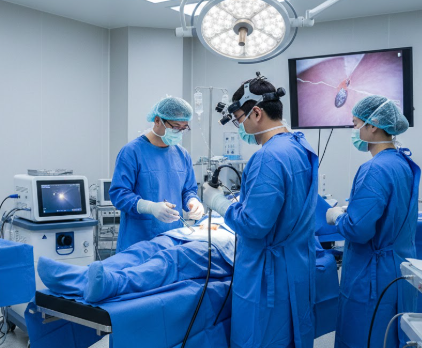
Ureteral Stone Extraction in Korea
Treatment Overview Ureteral stone extraction is a minimally invasive procedure designed to remove stones from the ureter, restoring normal urine flow and alleviating pain and

Treatment Overview Ureteral stone extraction is a minimally invasive procedure designed to remove stones from the ureter, restoring normal urine flow and alleviating pain and
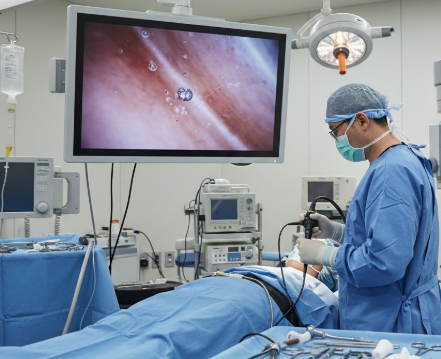
Treatment Overview Ureteral stone fragmentation is a minimally invasive procedure aimed at breaking ureteral stones into smaller pieces to facilitate easy removal or natural passage.

Treatment Overview Ureteral stone laser ablation is a minimally invasive procedure used to fragment and remove stones from the ureter using high-energy laser technology. This
Treatment Overview Ureteral stone pain relief procedures focus on providing immediate and effective management of the intense pain caused by stones lodged in the ureter.
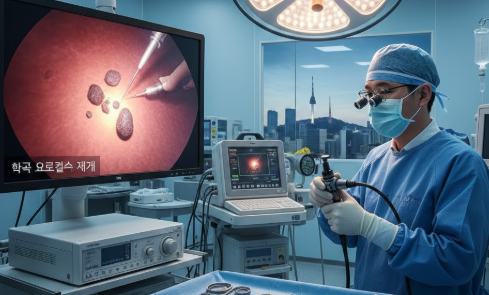
Treatment Overview Ureteral Stone Removal is a minimally invasive procedure designed to remove stones located in the ureter, the tube connecting the kidney to the
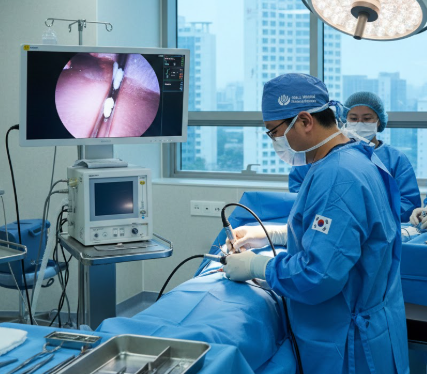
Treatment Overview Ureteral Stone Surgery in Korea is a minimally invasive procedure designed to remove stones located in the ureter, the tube connecting the kidney
Treatment Overview Ureteral stones can sometimes block the flow of urine from the kidney to the bladder, leading to hydronephrosis, a condition characterized by swelling
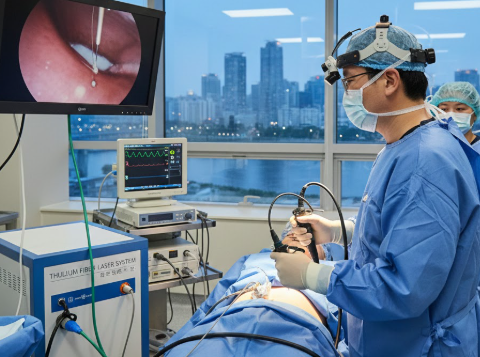
Treatment Overview Ureteral stones complicated by infection require urgent medical attention, as the combination can lead to severe pain, urinary obstruction, and life-threatening conditions such

Treatment Overview Ureteral stone-related hydronephrosis occurs when kidney stones obstruct the ureter, causing urine to back up into the kidney and leading to swelling, pain,
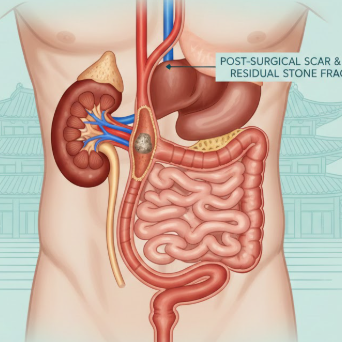
Treatment Overview Ureteral stricture due to stone surgery occurs when the ureter narrows as a result of scarring, inflammation, or trauma following kidney stone removal
Treatment Overview Ureteral stone extraction is a minimally invasive procedure designed to remove stones from the ureter, restoring normal urine flow and alleviating pain and
Treatment Overview Ureteral stone fragmentation is a minimally invasive procedure aimed at breaking ureteral stones into smaller pieces to facilitate easy removal or natural passage.
Treatment Overview Ureteral stone laser ablation is a minimally invasive procedure used to fragment and remove stones from the ureter using high-energy laser technology. This
Treatment Overview Ureteral stone pain relief procedures focus on providing immediate and effective management of the intense pain caused by stones lodged in the ureter.
Treatment Overview Ureteral Stone Removal is a minimally invasive procedure designed to remove stones located in the ureter, the tube connecting the kidney to the
Treatment Overview Ureteral Stone Surgery in Korea is a minimally invasive procedure designed to remove stones located in the ureter, the tube connecting the kidney
Treatment Overview Ureteral stones can sometimes block the flow of urine from the kidney to the bladder, leading to hydronephrosis, a condition characterized by swelling
Treatment Overview Ureteral stones complicated by infection require urgent medical attention, as the combination can lead to severe pain, urinary obstruction, and life-threatening conditions such
Treatment Overview Ureteral stone-related hydronephrosis occurs when kidney stones obstruct the ureter, causing urine to back up into the kidney and leading to swelling, pain,
Treatment Overview Ureteral stricture due to stone surgery occurs when the ureter narrows as a result of scarring, inflammation, or trauma following kidney stone removal