Is It Safe to Get Testosterone Therapy While Traveling Abroad?
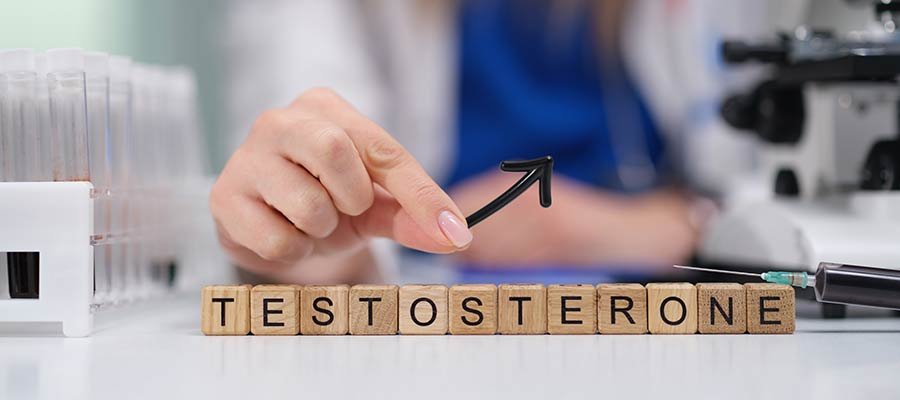
Testosterone Replacement Therapy (TRT) has grown increasingly popular worldwide, and some patients consider traveling abroad to receive treatment. This may be due to cost savings,

Testosterone Replacement Therapy (TRT) has grown increasingly popular worldwide, and some patients consider traveling abroad to receive treatment. This may be due to cost savings,

Aging is a natural part of life—but that doesn’t mean men over 50 need to accept low energy, brain fog, loss of muscle mass, or

Testosterone Replacement Therapy (TRT) can significantly improve energy, mood, muscle mass, and sexual health—but TRT alone isn’t a magic solution. To truly get the most

Testosterone is a vital hormone in the male body that influences far more than just muscle mass and sex drive. It plays a major role
Testosterone Replacement Therapy (TRT) is widely used to treat low testosterone levels in men, improving energy, libido, mood, and overall well-being. However, one important concern—especially
Testosterone Replacement Therapy (TRT) can be a game-changer for men struggling with low testosterone. But here’s what many patients don’t realize: TRT is not a

Low testosterone, or hypogonadism, affects millions of men and can significantly impact quality of life. From fatigue and low libido to loss of muscle mass

Testosterone Replacement Therapy (TRT) is a life-changing option for men suffering from low testosterone—also known as hypogonadism. As awareness of hormonal health grows, an increasing

Testosterone Replacement Therapy (TRT) has long been the standard treatment for men with hypogonadism and transgender men seeking masculinization. As medical technology and scientific research

Testosterone Replacement Therapy (TRT) is a cornerstone of gender-affirming care for transgender men and transmasculine individuals. It helps align physical characteristics with gender identity and
Testosterone Replacement Therapy (TRT) has grown increasingly popular worldwide, and some patients consider traveling abroad to receive treatment. This may be due to cost savings,

Aging is a natural part of life—but that doesn’t mean men over 50 need to accept low energy, brain fog, loss of muscle mass, or

Testosterone Replacement Therapy (TRT) can significantly improve energy, mood, muscle mass, and sexual health—but TRT alone isn’t a magic solution. To truly get the most

Testosterone is a vital hormone in the male body that influences far more than just muscle mass and sex drive. It plays a major role
Testosterone Replacement Therapy (TRT) is widely used to treat low testosterone levels in men, improving energy, libido, mood, and overall well-being. However, one important concern—especially
Testosterone Replacement Therapy (TRT) can be a game-changer for men struggling with low testosterone. But here’s what many patients don’t realize: TRT is not a

Low testosterone, or hypogonadism, affects millions of men and can significantly impact quality of life. From fatigue and low libido to loss of muscle mass
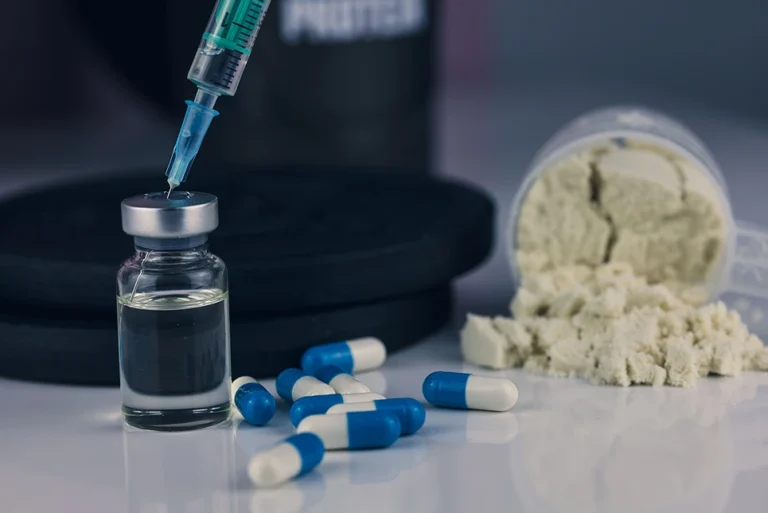
Testosterone Replacement Therapy (TRT) is a life-changing option for men suffering from low testosterone—also known as hypogonadism. As awareness of hormonal health grows, an increasing

Testosterone Replacement Therapy (TRT) has long been the standard treatment for men with hypogonadism and transgender men seeking masculinization. As medical technology and scientific research

Testosterone Replacement Therapy (TRT) is a cornerstone of gender-affirming care for transgender men and transmasculine individuals. It helps align physical characteristics with gender identity and