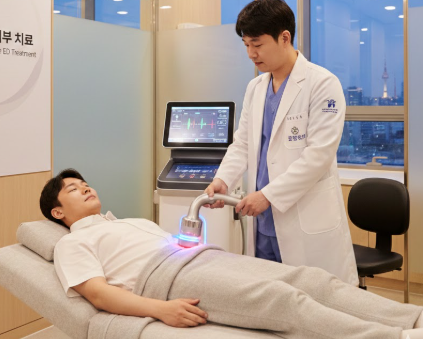
Non-Invasive ESWT for ED in Korea
Treatment Overview Non-invasive Extracorporeal Shockwave Therapy (ESWT) for erectile dysfunction (ED) is a revolutionary treatment offered in Korea to improve erectile function without surgery or

Treatment Overview Non-invasive Extracorporeal Shockwave Therapy (ESWT) for erectile dysfunction (ED) is a revolutionary treatment offered in Korea to improve erectile function without surgery or
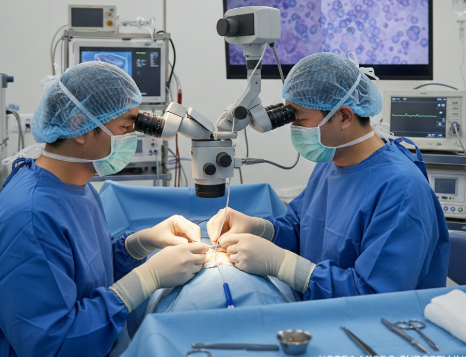
Treatment Overview The non-scalpel vasectomy reversal technique in Korea is a minimally invasive surgical procedure designed to restore fertility in men who have undergone a
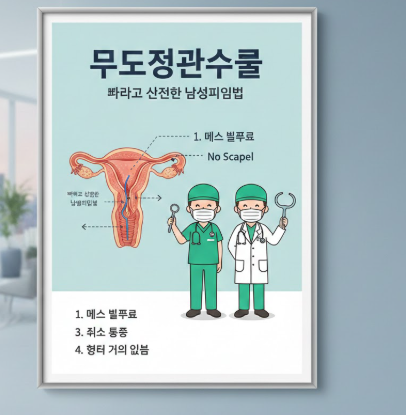
Treatment Overview No-Scalpel Vasectomy (NSV) is a minimally invasive male sterilization procedure that provides permanent contraception without the need for traditional surgical incisions. Using specialized

Treatment Overview Non-surgical penile enlargement with fillers is a minimally invasive procedure designed to increase penile girth without the need for surgical intervention. This treatment
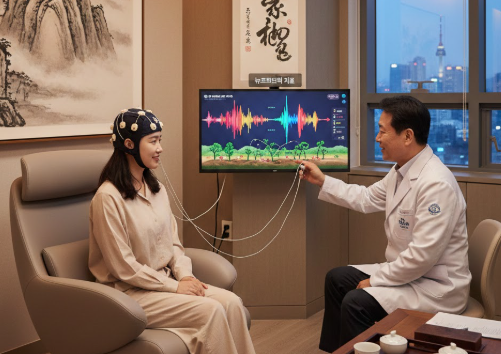
Treatment Overview Neurofeedback therapy in Korea is a non-invasive brain-training technique designed to improve mental performance, emotional regulation, and certain neurological or psychological conditions. By

Treatment Overview Nerve modulation procedures in Korea are advanced minimally invasive treatments designed to manage chronic pelvic pain, overactive bladder, and sexual dysfunction in men.
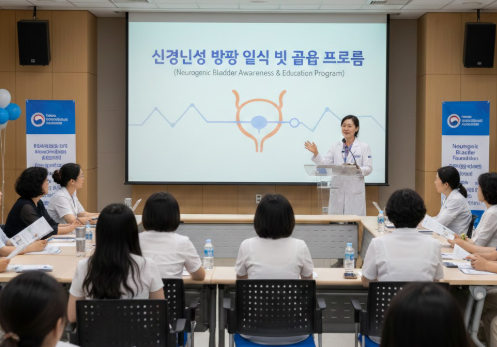
Treatment Overview Neurogenic bladder is a condition caused by nerve damage affecting bladder control, leading to urinary incontinence, retention, or recurrent infections. Awareness and education

Treatment & Evaluation Overview Managing a Neurogenic Bladder often requires a combination of diagnostic work‑ups and therapeutic interventions — ranging from periodic assessments to more
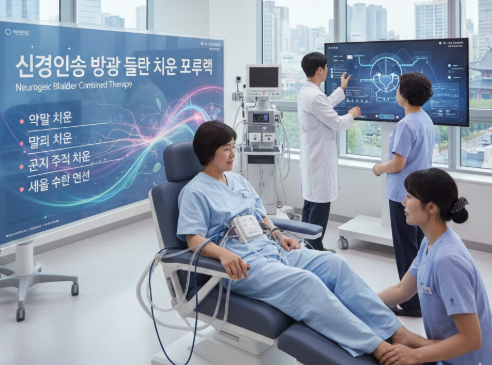
Treatment Overview Neurogenic bladder is a condition where nerve damage disrupts normal bladder function, leading to incontinence, urinary retention, or frequent infections. Combined therapy programs

Treatment Overview Neurogenic bladder is a condition where nerve damage impairs normal bladder function, leading to urinary incontinence, retention, or recurrent infections. Korea has become
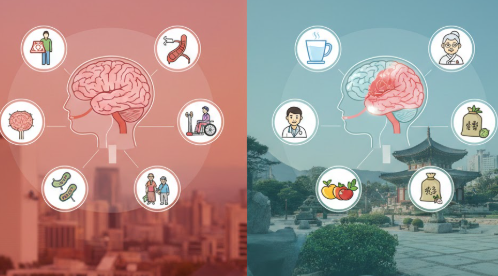
Treatment Overview Neurogenic bladder is a condition where nerve damage disrupts normal bladder function, causing incontinence, urinary retention, and recurrent infections. Understanding the risk factors
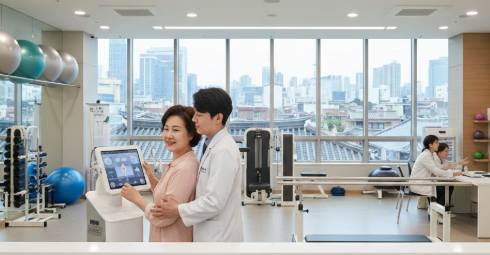
Treatment Overview Recovery and aftercare are critical for patients with neurogenic bladder, whether treated conservatively, with nerve stimulation, Botox, pelvic floor therapy, or surgery. Proper

Treatment Overview Neurogenic bladder in children is a condition where nerve damage or congenital abnormalities interfere with normal bladder function, causing incontinence, urinary retention, or
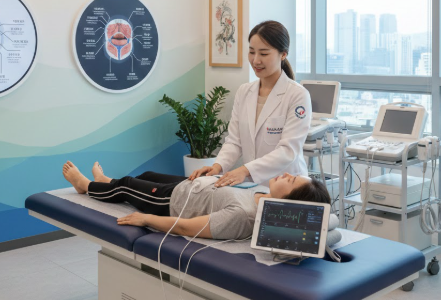
Treatment Overview Neurogenic bladder is a condition where nerve damage disrupts normal bladder function, leading to urinary incontinence, retention, or urgency. Pelvic floor therapy is

Treatment Overview Neurogenic bladder is a condition caused by nerve damage affecting bladder function, resulting in incontinence, urinary retention, or frequent urinary tract infections. Urodynamic
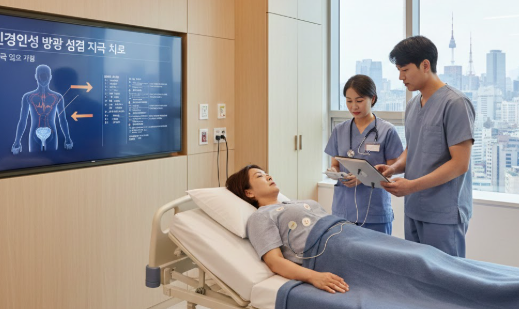
Treatment Overview Neurogenic bladder occurs when nerve damage disrupts normal bladder function, causing incontinence, urgency, or urinary retention. Nerve stimulation therapy, including sacral nerve stimulation

Treatment Overview Neurogenic bladder can sometimes require surgical intervention when conservative treatments, medications, or catheterization fail to provide sufficient control. Surgery aims to restore proper
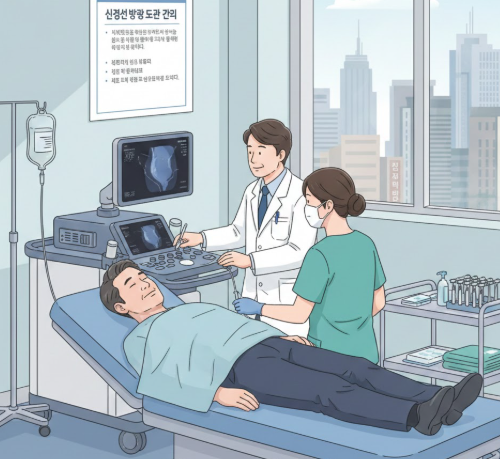
Treatment Overview Neurogenic bladder is a condition caused by nerve damage affecting bladder function, often leading to urinary retention or incontinence. Catheterization is a core

Treatment Overview Neurogenic bladder occurs when nerve damage interferes with normal bladder function, causing urinary incontinence, retention, or frequent infections. Symptoms evaluation is the first

Treatment Overview Neurogenic bladder is a condition caused by nerve damage that affects bladder control, leading to urinary incontinence, retention, or frequent urinary tract infections.

Treatment Overview Benign Prostatic Hyperplasia (BPH), or prostate enlargement, is a common condition in men over 50 that can cause urinary difficulties such as weak
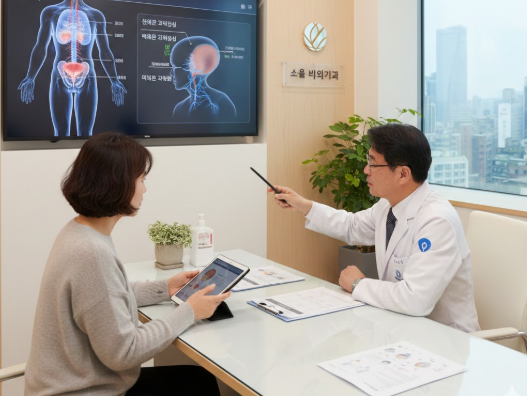
Treatment Overview Neurogenic bladder occurs when nerve damage affects the bladder’s ability to store or empty urine properly. This condition can result from spinal cord

Testosterone is the cornerstone of male vitality—impacting everything from muscle mass and mood to libido and energy levels. While Testosterone Replacement Therapy (TRT) is an