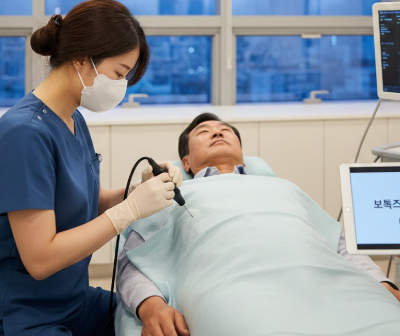
Recurrent OAB Botox Therapy in Korea
Treatment Overview Recurrent OAB (Overactive Bladder) Botox therapy is a minimally invasive procedure designed for patients who continue to experience OAB symptoms despite previous treatments.

Treatment Overview Recurrent OAB (Overactive Bladder) Botox therapy is a minimally invasive procedure designed for patients who continue to experience OAB symptoms despite previous treatments.
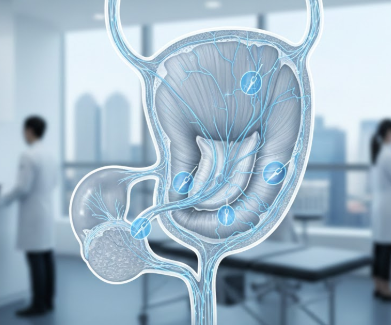
Treatment Overview Botox injection for nocturia is a minimally invasive procedure designed to treat overactive bladder (OAB) or neurogenic bladder that causes frequent nighttime urination.

Treatment Overview Botox therapy for urinary frequency and urgency is a minimally invasive procedure in which Botulinum toxin (OnabotulinumtoxinA) is injected into the bladder wall
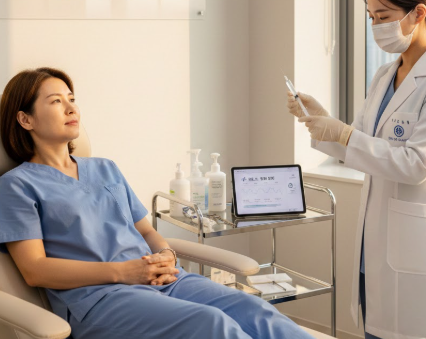
Treatment Overview Botox therapy for urgency incontinence is a minimally invasive procedure in which Botulinum toxin (OnabotulinumtoxinA) is injected directly into the bladder wall to
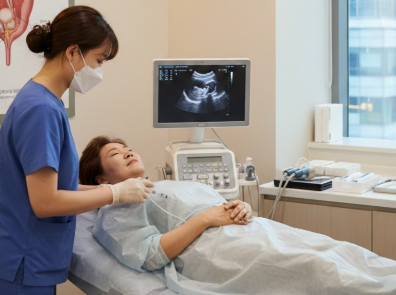
Treatment Overview Outpatient Botox therapy for overactive bladder (OAB) is a minimally invasive procedure in which Botulinum toxin (OnabotulinumtoxinA) is injected directly into the bladder

Treatment Overview Ultrasound-guided Botox therapy for overactive bladder (OAB) is a minimally invasive treatment that involves injecting Botulinum toxin (OnabotulinumtoxinA) into the bladder wall with

Treatment Overview Bladder Botox therapy is a minimally invasive treatment designed to manage overactive bladder (OAB) and neurogenic bladder dysfunction by injecting Botulinum toxin (OnabotulinumtoxinA)
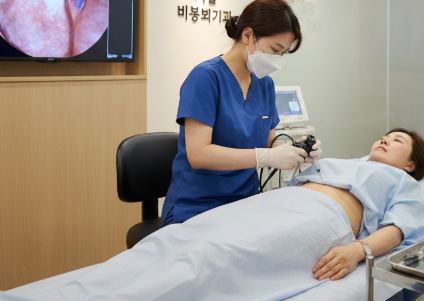
Treatment Overview Botox injection therapy for overactive bladder (OAB) is a minimally invasive treatment that involves injecting Botulinum toxin (OnabotulinumtoxinA) directly into the bladder wall

Treatment Overview Intradetrusor Botox injection is a minimally invasive procedure used to treat overactive bladder (OAB) and neurogenic bladder dysfunction. The treatment involves injecting Botulinum
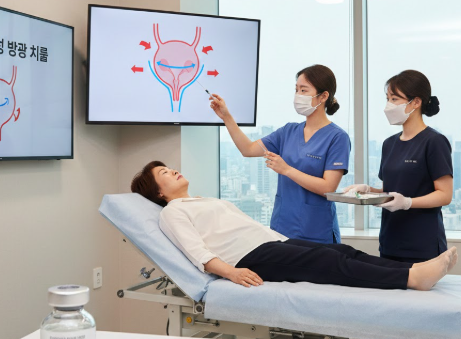
Treatment Overview Botox (OnabotulinumtoxinA) injection for overactive bladder (OAB) is a minimally invasive treatment designed to relieve urinary urgency, frequency, and urge incontinence. The procedure

Treatment Overview Adult bladder instillation therapy is an intravesical treatment for non-muscle invasive bladder cancer (NMIBC) and other bladder conditions requiring localized therapy. Therapeutic agents

Treatment Overview Pediatric bladder instillation therapy is a specialized intravesical treatment for children diagnosed with non-muscle invasive bladder cancer (NMIBC) or other bladder conditions that

Treatment Overview Chemotherapy combined with immunotherapy bladder instillation is an advanced intravesical treatment for non-muscle invasive bladder cancer (NMIBC), designed to enhance tumor eradication and
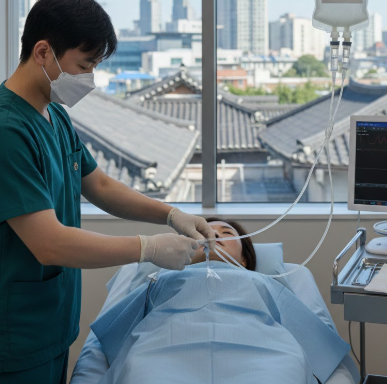
Treatment Overview Immunotherapy bladder instillation is a specialized intravesical treatment for non-muscle invasive bladder cancer (NMIBC) that uses agents such as Bacillus Calmette-Guérin (BCG) or
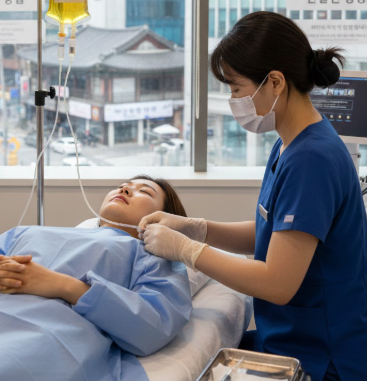
Treatment Overview Therapeutic bladder instillation therapy is an intravesical treatment for non-muscle invasive bladder cancer (NMIBC) and other bladder conditions, designed to actively treat residual
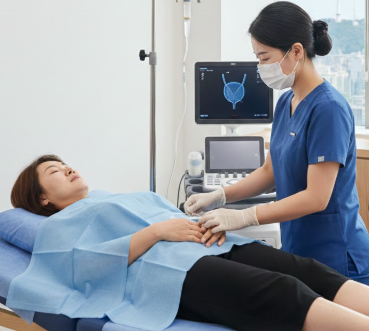
Treatment Overview Prophylactic bladder instillation therapy is a preventive intravesical treatment aimed at reducing the risk of recurrence in patients with non-muscle invasive bladder cancer

Treatment Overview Post-TURBT bladder instillation is an intravesical therapy administered immediately after a transurethral resection of bladder tumor (TURBT) procedure to prevent recurrence of non-muscle

Treatment Overview Low-dose bladder instillation therapy is a targeted treatment for non-muscle invasive bladder cancer (NMIBC) in which lower concentrations of chemotherapeutic or immunotherapeutic agents,

Treatment Overview High-dose bladder instillation therapy is an advanced treatment for non-muscle invasive bladder cancer (NMIBC) in which higher concentrations of chemotherapeutic or immunotherapeutic agents,

Treatment Overview Induction BCG (Bacillus Calmette-Guérin) therapy is the initial phase of immunotherapy for non-muscle invasive bladder cancer (NMIBC). It involves delivering BCG, a weakened

Treatment Overview Maintenance BCG (Bacillus Calmette-Guérin) therapy is an advanced immunotherapy for non-muscle invasive bladder cancer (NMIBC) that follows initial BCG induction therapy. This approach
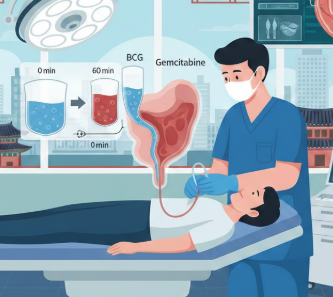
Treatment Overview Sequential intravesical therapy is an advanced treatment strategy for non-muscle invasive bladder cancer (NMIBC) in which patients receive a combination of different intravesical
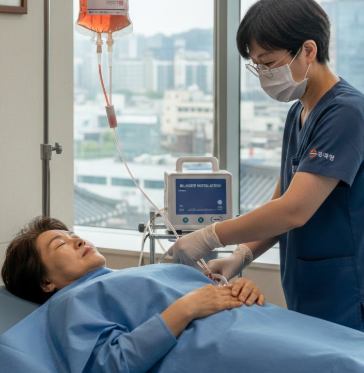
Treatment Overview Epirubicin bladder instillation is a targeted intravesical chemotherapy treatment for non-muscle invasive bladder cancer (NMIBC). The chemotherapeutic agent epirubicin is delivered directly into

Treatment Overview Doxorubicin intravesical therapy is an effective localized chemotherapy treatment for non-muscle invasive bladder cancer (NMIBC). In this procedure, doxorubicin, a potent anti-cancer drug,
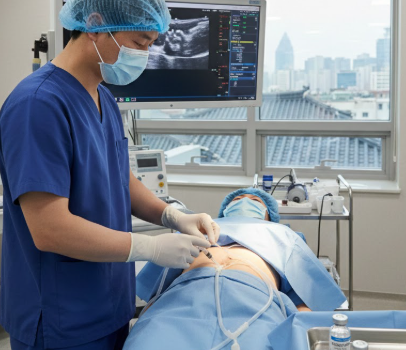
Treatment Overview Gemcitabine bladder instillation is an advanced intravesical chemotherapy treatment used to manage non-muscle invasive bladder cancer (NMIBC), especially for patients who are unresponsive

Treatment Overview Mitomycin C bladder instillation is a targeted intravesical chemotherapy treatment used for non-muscle invasive bladder cancer (NMIBC). In this procedure, the anti-cancer drug
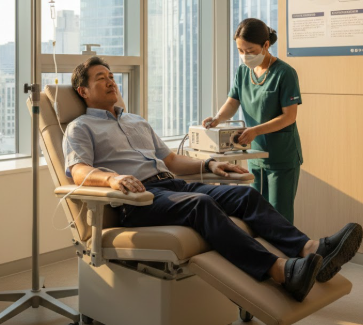
Treatment Overview Bacillus Calmette-Guérin (BCG) therapy is a cornerstone immunotherapy for non-muscle invasive bladder cancer (NMIBC). It involves instilling a weakened strain of Mycobacterium bovis
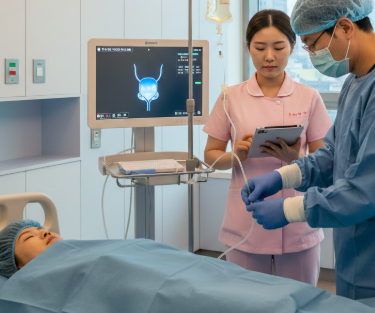
Treatment Overview Intravesical chemotherapy is a targeted treatment for bladder cancer, in which anti-cancer drugs are delivered directly into the bladder through a catheter. This