
Bladder Stones Removal for Elderly Patients in Korea
Treatment Overview Bladder stones are more common in older adults due to age-related changes in bladder function, weakened bladder muscles, enlarged prostate, chronic urinary retention,

Treatment Overview Bladder stones are more common in older adults due to age-related changes in bladder function, weakened bladder muscles, enlarged prostate, chronic urinary retention,
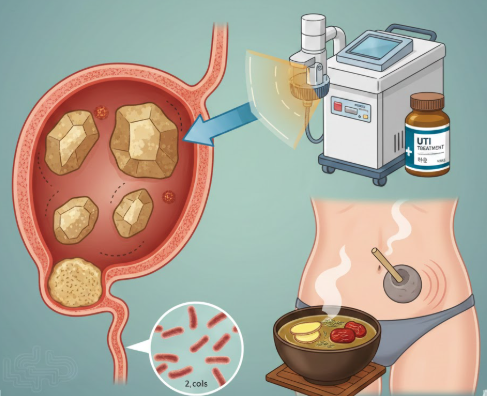
Treatment Overview Bladder stones and urinary tract infections (UTIs) are two common yet serious urological conditions that can significantly affect a patient’s quality of life.

Treatment Overview Bladder stones are hard, mineral-based deposits that form inside the bladder, often due to incomplete emptying of urine, infections, or underlying urinary conditions.

Treatment Overview Bladder stones are hard mineral deposits in the bladder that can cause urinary pain, hematuria, frequent urination, and recurrent infections. Korea offers advanced

Treatment Overview Bladder stones are hard mineral deposits that form in the bladder and can cause urinary pain, hematuria, frequent urination, and recurrent infections. Holmium
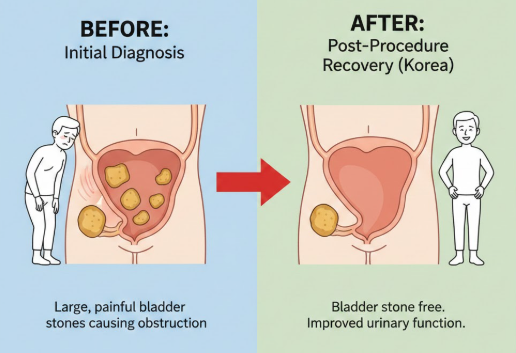
Treatment Overview Bladder stones are mineral deposits that form in the bladder, causing urinary discomfort, pain, hematuria, and recurrent infections. Treatment in Korea focuses on

Treatment Overview Bladder stones are hard mineral deposits that form in the bladder, often leading to urinary discomfort, hematuria, frequent urination, and recurrent infections. Treatment
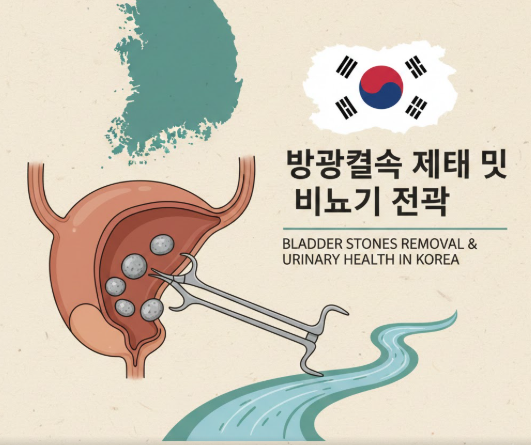
Treatment Overview Bladder stones are hard mineral deposits that form in the bladder, often leading to urinary discomfort, hematuria, frequent urination, and recurrent infections. Treatment

Treatment Overview Bladder stones in women are solid mineral deposits that form in the bladder due to urinary stasis, infections, or anatomical abnormalities. Though less
Treatment Overview Bladder stones in men are hard mineral deposits that form in the bladder due to urinary stasis, enlarged prostate, or infection. They can

Treatment Overview Bladder stones, also known as vesical calculi, are hard mineral deposits that form in the bladder due to urinary stasis, infection, or other

Treatment Overview Kidney stones are hard mineral and salt deposits that form in the kidneys, potentially causing severe flank pain, hematuria, and urinary tract obstruction.
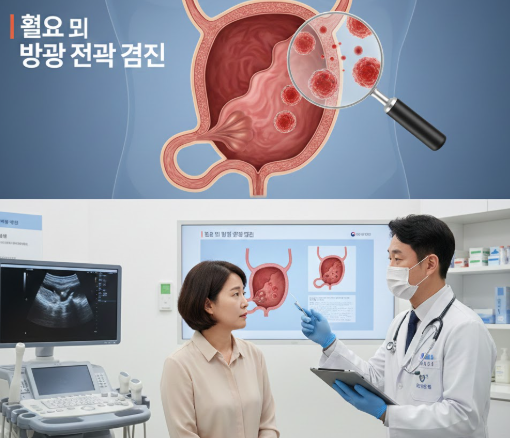
Treatment Overview Blood in the urine, or hematuria, can be a symptom of various urinary tract conditions, ranging from urinary tract infections and kidney stones

Treatment Overview Blood in urine during pregnancy, medically known as hematuria, can be a concerning symptom for expectant mothers. It may be visible (gross hematuria)

Treatment Overview Bladder cancer is one of the leading causes of unexplained hematuria, especially in adults over the age of 40. Blood in the urine—whether

Testosterone Replacement Therapy (TRT) is rapidly becoming one of the most sought-after treatments for men experiencing low testosterone, or “Low T.” For medical tourists looking

Testosterone Replacement Therapy (TRT) has become an increasingly common treatment for men experiencing symptoms of low testosterone, or hypogonadism. As testosterone levels naturally decline with

Penile enlargement surgery is often portrayed as a quick fix for size insecurities, but in reality, it’s a highly specialized procedure that demands realistic expectations,