
Cystoscopy for Female Patients in Korea
Treatment Overview Cystoscopy is a minimally invasive procedure used to examine the female urinary tract, including the bladder and urethra. It is essential for diagnosing

Treatment Overview Cystoscopy is a minimally invasive procedure used to examine the female urinary tract, including the bladder and urethra. It is essential for diagnosing
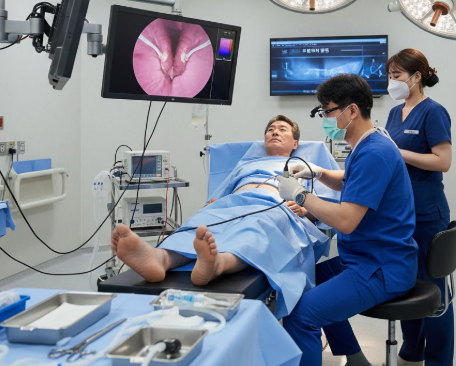
Treatment Overview Cystoscopy is a diagnostic and therapeutic procedure used to examine the male urinary tract, including the urethra and bladder. In male patients, it

Treatment Overview Cystoscopy is a crucial procedure used to examine the bladder and urethra both before and after medical treatment. It provides direct visualization of
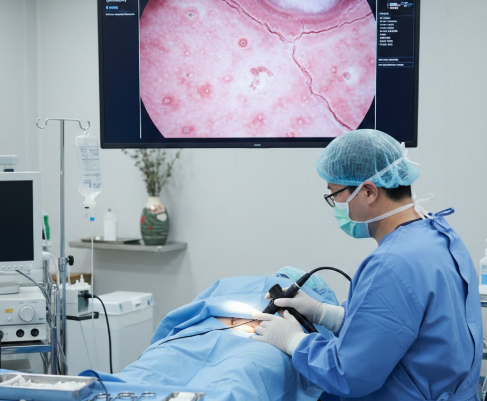
Treatment Overview Cystoscopy is a critical diagnostic procedure used to evaluate interstitial cystitis (IC), a chronic bladder condition causing pelvic pain, urinary urgency, and frequency.

Treatment Overview Cystoscopy is a minimally invasive procedure used to evaluate and manage bladder stones. By inserting a thin, flexible or rigid endoscope through the
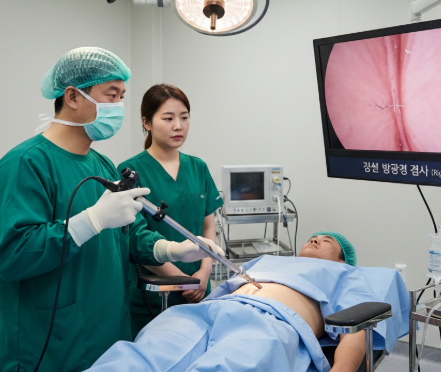
Treatment Overview Rigid cystoscopy is a diagnostic and therapeutic procedure used to examine the bladder and urethra using a straight, rigid endoscope. Unlike flexible cystoscopy,
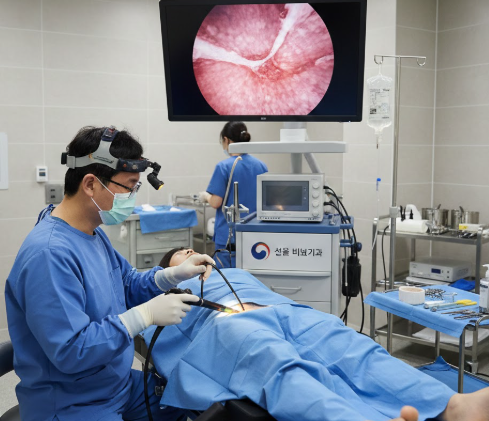
Treatment Overview Flexible cystoscopy is a minimally invasive diagnostic procedure used to examine the bladder and urethra using a bendable, thin endoscope. Unlike rigid cystoscopy,
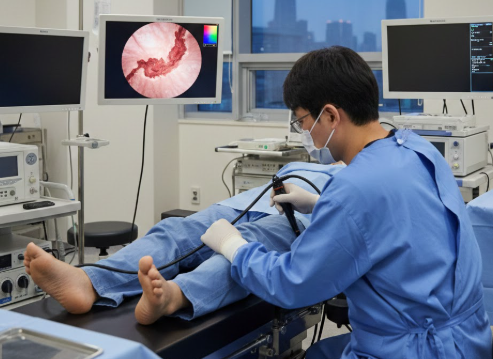
Treatment Overview Cystoscopy is a key diagnostic procedure for early detection and screening of bladder cancer. By inserting a thin, flexible or rigid scope through
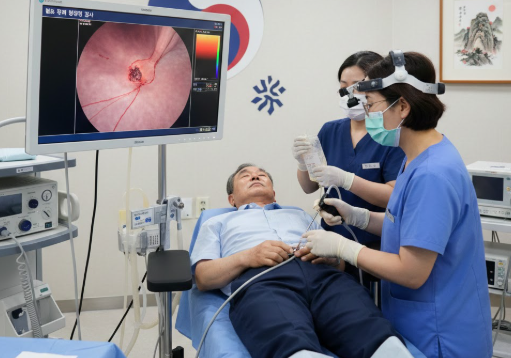
Treatment Overview Cystoscopy is a specialized procedure used to examine the bladder and urethra for the evaluation of hematuria, which is the presence of blood

Treatment Overview Cystoscopy is a specialized medical procedure used to examine the inside of the bladder and urethra for diagnostic purposes. By using a thin,
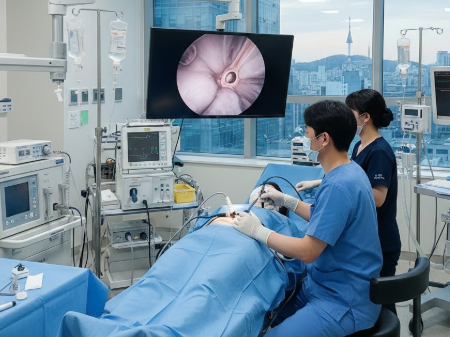
Treatment Overview Cystoscopy, commonly known as bladder endoscopy, is a minimally invasive diagnostic and treatment procedure used to examine the interior of the bladder and

Treatment Overview Neurogenic bladder is a condition caused by nerve damage affecting bladder control, leading to urinary incontinence, retention, or recurrent infections. Awareness and education

Treatment & Evaluation Overview Managing a Neurogenic Bladder often requires a combination of diagnostic work‑ups and therapeutic interventions — ranging from periodic assessments to more
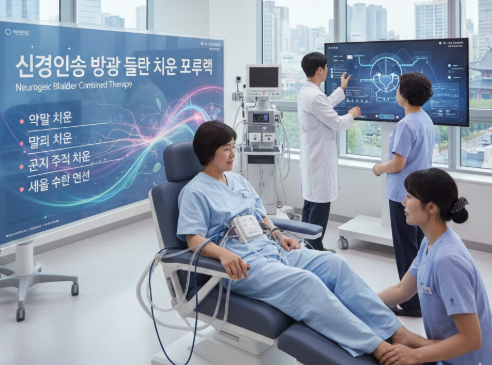
Treatment Overview Neurogenic bladder is a condition where nerve damage disrupts normal bladder function, leading to incontinence, urinary retention, or frequent infections. Combined therapy programs

Treatment Overview Neurogenic bladder is a condition where nerve damage impairs normal bladder function, leading to urinary incontinence, retention, or recurrent infections. Korea has become

Treatment Overview Neurogenic bladder is a condition where nerve damage disrupts normal bladder function, causing incontinence, urinary retention, and recurrent infections. Understanding the risk factors

Treatment Overview Recovery and aftercare are critical for patients with neurogenic bladder, whether treated conservatively, with nerve stimulation, Botox, pelvic floor therapy, or surgery. Proper

Treatment Overview Neurogenic bladder in children is a condition where nerve damage or congenital abnormalities interfere with normal bladder function, causing incontinence, urinary retention, or

Treatment Overview Neurogenic bladder is a condition where nerve damage disrupts normal bladder function, leading to urinary incontinence, retention, or urgency. Pelvic floor therapy is

Treatment Overview Neurogenic bladder is a condition caused by nerve damage affecting bladder function, resulting in incontinence, urinary retention, or frequent urinary tract infections. Urodynamic

Treatment Overview Neurogenic bladder occurs when nerve damage disrupts normal bladder function, causing incontinence, urgency, or urinary retention. Nerve stimulation therapy, including sacral nerve stimulation

Treatment Overview Neurogenic bladder can sometimes require surgical intervention when conservative treatments, medications, or catheterization fail to provide sufficient control. Surgery aims to restore proper
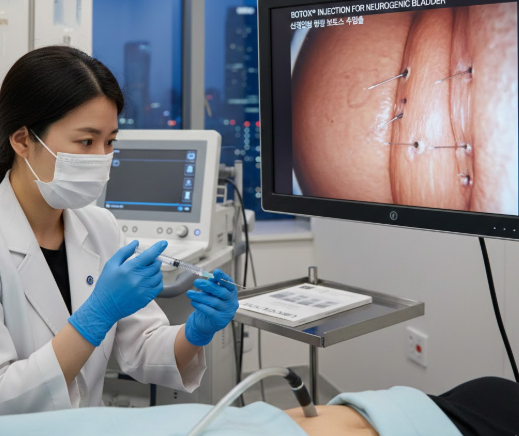
Treatment Overview Botox (onabotulinumtoxinA) injections are an advanced treatment for neurogenic bladder, particularly for patients with overactive bladder or uncontrolled urinary urgency caused by nerve
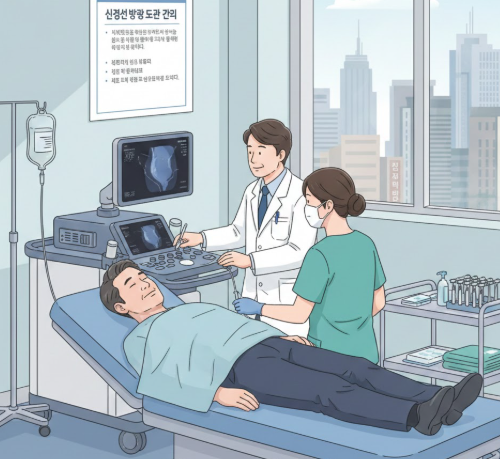
Treatment Overview Neurogenic bladder is a condition caused by nerve damage affecting bladder function, often leading to urinary retention or incontinence. Catheterization is a core

Treatment Overview Neurogenic bladder occurs when nerve damage interferes with normal bladder function, causing urinary incontinence, retention, or frequent infections. Symptoms evaluation is the first

Treatment Overview Neurogenic bladder is a condition caused by nerve damage that affects bladder control, leading to urinary incontinence, retention, or frequent urinary tract infections.

Treatment Overview A bladder health check-up is a preventive and diagnostic evaluation aimed at identifying urinary incontinence and other bladder disorders early. These check-ups help

Treatment & Evaluation Overview In Korea, urinary incontinence care typically begins with a diagnostic evaluation — medical history, physical/pelvic exam, urine tests, bladder/urodynamic studies, ultrasound