
Neurogenic Bladder for International Patients in Korea
Treatment Overview Neurogenic bladder is a condition where nerve damage impairs normal bladder function, leading to urinary incontinence, retention, or recurrent infections. Korea has become

Treatment Overview Neurogenic bladder is a condition where nerve damage impairs normal bladder function, leading to urinary incontinence, retention, or recurrent infections. Korea has become

Treatment Overview Neurogenic bladder is a condition where nerve damage disrupts normal bladder function, causing incontinence, urinary retention, and recurrent infections. Understanding the risk factors

Treatment Overview Recovery and aftercare are critical for patients with neurogenic bladder, whether treated conservatively, with nerve stimulation, Botox, pelvic floor therapy, or surgery. Proper

Treatment Overview Neurogenic bladder in children is a condition where nerve damage or congenital abnormalities interfere with normal bladder function, causing incontinence, urinary retention, or
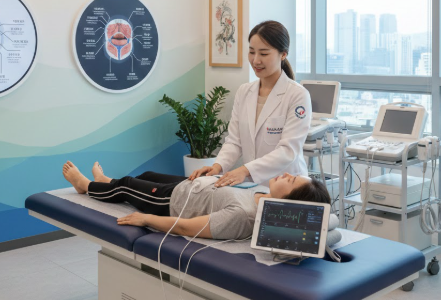
Treatment Overview Neurogenic bladder is a condition where nerve damage disrupts normal bladder function, leading to urinary incontinence, retention, or urgency. Pelvic floor therapy is

Treatment Overview Neurogenic bladder is a condition caused by nerve damage affecting bladder function, resulting in incontinence, urinary retention, or frequent urinary tract infections. Urodynamic
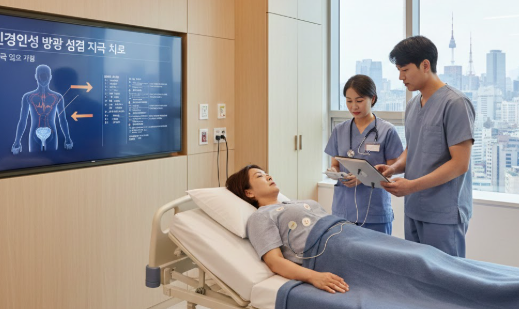
Treatment Overview Neurogenic bladder occurs when nerve damage disrupts normal bladder function, causing incontinence, urgency, or urinary retention. Nerve stimulation therapy, including sacral nerve stimulation

Treatment Overview Neurogenic bladder can sometimes require surgical intervention when conservative treatments, medications, or catheterization fail to provide sufficient control. Surgery aims to restore proper
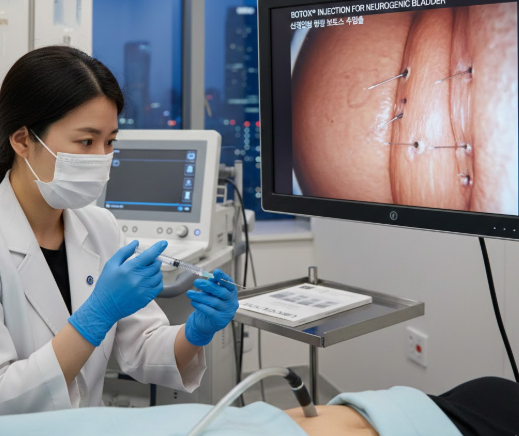
Treatment Overview Botox (onabotulinumtoxinA) injections are an advanced treatment for neurogenic bladder, particularly for patients with overactive bladder or uncontrolled urinary urgency caused by nerve
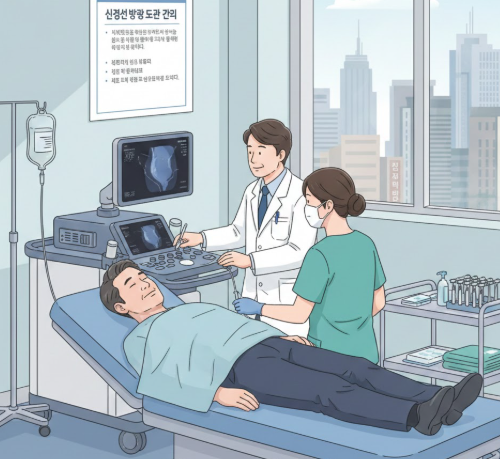
Treatment Overview Neurogenic bladder is a condition caused by nerve damage affecting bladder function, often leading to urinary retention or incontinence. Catheterization is a core

Treatment Overview Neurogenic bladder occurs when nerve damage interferes with normal bladder function, causing urinary incontinence, retention, or frequent infections. Symptoms evaluation is the first

Treatment Overview Neurogenic bladder is a condition caused by nerve damage that affects bladder control, leading to urinary incontinence, retention, or frequent urinary tract infections.

Treatment Overview A bladder health check-up is a preventive and diagnostic evaluation aimed at identifying urinary incontinence and other bladder disorders early. These check-ups help

Treatment & Evaluation Overview In Korea, urinary incontinence care typically begins with a diagnostic evaluation — medical history, physical/pelvic exam, urine tests, bladder/urodynamic studies, ultrasound

Treatment Overview Postpartum urinary incontinence (PPUI) is a common condition affecting women after childbirth, caused by weakened pelvic floor muscles, hormonal changes, or vaginal trauma

Treatment Overview Urinary incontinence (UI) is a common condition characterized by involuntary urine leakage, affecting millions worldwide. While treatments like pelvic floor therapy, bladder training,

Treatment Overview Urinary incontinence surgery is a definitive treatment option for severe or persistent bladder leakage that does not respond to non-surgical therapies. Surgical options
Treatment Overview Nerve stimulation therapy is an advanced, minimally invasive treatment for urinary incontinence, particularly effective for overactive bladder and urge incontinence. This therapy targets

Treatment Overview Botox therapy for urinary incontinence is an advanced, minimally invasive treatment used to manage overactive bladder and urge incontinence. The therapy involves injecting

Treatment Overview Bladder training is a structured, non-surgical therapy aimed at helping individuals regain control over urinary urges and improve bladder function. It is particularly
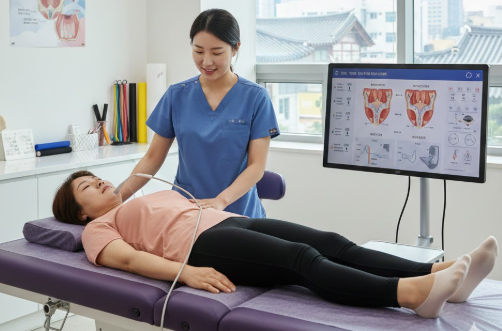
Treatment Overview Pelvic floor therapy is a non-surgical, evidence-based treatment designed to strengthen the muscles supporting the bladder, urethra, and pelvic organs. It is one

Treatment Overview Urinary incontinence is a condition where a person cannot fully control urine leakage, affecting both daily activities and quality of life. While surgery

Treatment Overview Male urinary incontinence is a condition involving involuntary leakage of urine, often linked to prostate issues, aging, pelvic floor weakness, neurological disorders, or

Treatment Overview Female urinary incontinence is a common health concern experienced by women of all ages, often caused by childbirth, aging, hormonal changes, pelvic floor

Treatment Overview Urge incontinence, often described as a sudden, intense urge to urinate followed by involuntary leakage, is one of the most common types of

Treatment Overview Overactive Bladder (OAB) and urinary incontinence are common conditions that significantly affect daily life, sleep quality, and emotional well-being. OAB causes symptoms such

Treatment Overview Stress Urinary Incontinence (SUI) is one of the most common types of urinary incontinence, especially among women. It occurs when physical activities—such as
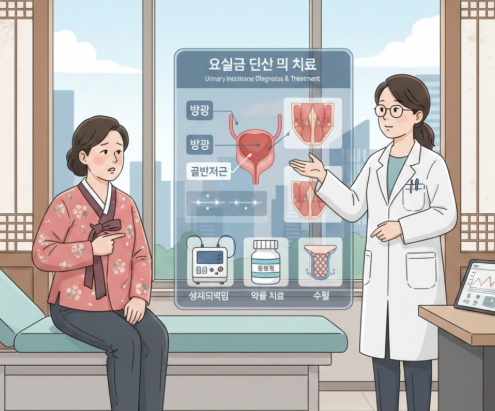
Treatment Overview Urinary incontinence is the involuntary loss of urine, a condition affecting millions of men and women worldwide. It can occur due to weakened