
Treatment Overview
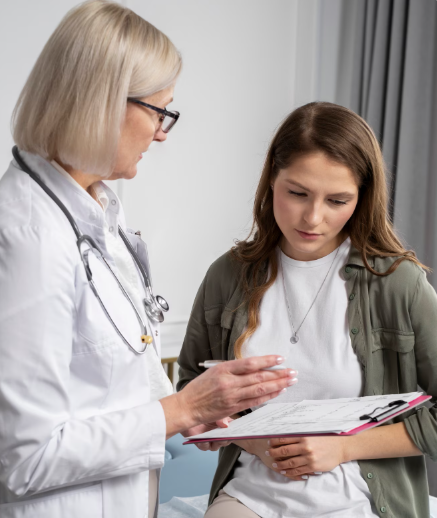
A menstrual disorder consultation in Korea is a specialized medical evaluation aimed at diagnosing and managing irregular periods and related gynecological concerns. Menstrual disorders include a wide range of conditions such as heavy menstrual bleeding (menorrhagia), painful periods (dysmenorrhea), irregular cycles, absence of menstruation (amenorrhea), and premenstrual syndrome (PMS).
Korean healthcare providers take a comprehensive, patient-focused approach to menstrual disorder consultations. These consultations combine advanced diagnostic tools with individualized care plans, ensuring accurate diagnosis and effective treatment. Korea is globally recognized for offering world-class gynecological care, making it a top destination for women seeking expert guidance for menstrual health.
Purpose & Benefits
The main purpose of a menstrual disorder consultation is to evaluate the cause of menstrual irregularities and provide a clear plan for treatment and management.
Key benefits include:
- Accurate identification of underlying causes such as hormonal imbalances, thyroid dysfunction, polycystic ovary syndrome (PCOS), endometriosis, fibroids, or stress-related factors.
- Personalized treatment plans tailored to the patient’s health profile and lifestyle.
- Prevention of long-term reproductive health complications.
- Improved menstrual regularity and symptom control.
- Enhanced quality of life through expert medical guidance.
Korea’s menstrual disorder consultations emphasize precision diagnostics and evidence-based treatment to deliver optimal outcomes for women’s health.
Ideal Candidates
A menstrual disorder consultation is recommended for women who experience:
- Cycles that are consistently irregular.
- Heavy or prolonged menstrual bleeding.
- Severe menstrual pain affecting daily life.
- Missed or absent periods.
- Bleeding between periods.
- Symptoms suggestive of hormonal imbalance such as acne, hair growth changes, or sudden weight gain.
- Infertility or difficulty conceiving.
Women of all ages, from adolescence to perimenopause, may benefit from menstrual disorder consultations to ensure healthy reproductive function.
Possible Risks & Complications
Menstrual disorder consultations are safe and non-invasive. However, certain diagnostic tests recommended during the consultation may have minor risks:
- Discomfort during pelvic examinations.
- Temporary spotting after some procedures.
- Mild bruising from blood tests.
- Rare allergic reaction to ultrasound gel or contrast agents in imaging.
Korean clinics adhere to high safety standards and advanced medical protocols to minimize risk and ensure patient comfort.
Techniques & Diagnostic Methods Used
Korean gynecologists utilize a variety of advanced methods during a menstrual disorder consultation:
- Detailed patient history: Comprehensive review of menstrual cycles, lifestyle factors, and medical history.
- Physical and pelvic examination: Initial assessment to detect structural abnormalities.
- Transvaginal or abdominal ultrasound: Imaging of the uterus and ovaries for fibroids, polyps, or cysts.
- Hormonal blood tests: Analysis of estrogen, progesterone, LH, FSH, prolactin, and thyroid hormones.
- Hysteroscopy or sonohysterography: In selected cases, direct visualization of the uterine cavity.
- Additional tests: MRI, CT scans, or specialized hormonal profiles for complex cases.
These diagnostic approaches ensure that Korean gynecologists can deliver precise and efficient evaluation.
Recovery & Aftercare
Since a menstrual disorder consultation is primarily diagnostic, recovery is immediate with no downtime.
Aftercare involves:
- Following recommendations from the gynecologist regarding further tests or treatments.
- Tracking menstrual cycles and symptoms for follow-up consultation.
- Adopting lifestyle modifications as advised.
- Adhering to prescribed medications or hormonal therapies.
Korean clinics often offer follow-up consultations and digital health monitoring to support ongoing menstrual health management.
Results & Longevity
Results from a menstrual disorder consultation provide a clear understanding of menstrual irregularities and enable targeted treatment.
Benefits include:
- Long-term improvement in cycle regularity.
- Symptom relief and improved quality of life.
- Prevention of complications related to untreated menstrual disorders.
- Enhanced fertility outcomes when appropriate.
Accurate diagnosis and early intervention in Korea ensure lasting benefits for reproductive health.
Treatment Process in Korea
The menstrual disorder consultation process in Korea generally includes:
- Initial consultation: Discussion of symptoms, medical history, and lifestyle factors.
- Diagnostic testing: Pelvic examination, ultrasound, blood tests, or hysteroscopy if required.
- Detailed review: Gynecologist explains findings and possible treatment plans.
- Personalized care: Prescription of medication, hormone therapy, or referral for minimally invasive procedures.
- Follow-up evaluation: Monitoring treatment effectiveness and making adjustments as needed.
Korean women’s health clinics integrate advanced diagnostics and patient-centered care to ensure effective management.
Cost Range
The cost of a menstrual disorder consultation in Korea depends on the complexity of diagnostics and treatments:
- Initial consultation and examination: ₩100,000 – ₩200,000 KRW ($75–$150 USD)
- Ultrasound examination: ₩150,000 – ₩300,000 KRW ($110–$230 USD)
- Hormonal testing: ₩200,000 – ₩400,000 KRW ($150–$300 USD)
- Comprehensive menstrual health package: ₩800,000 – ₩1,500,000 KRW ($600–$1,120 USD)
Many clinics offer packages combining consultation, blood testing, and ultrasound for cost efficiency.
Popular Clinics in Korea
Top clinics and hospitals offering menstrual disorder consultations include:
- Samsung Medical Center, Seoul
- Asan Medical Center, Seoul
- CHA Gangnam Women’s Health Clinic
- Ewha Womans University Mokdong Hospital
- Severance Hospital (Yonsei University Health System)
- MizMedi Women’s Hospital
- Blooming Women’s Clinic, Gangnam
These facilities are known for advanced diagnostics, skilled gynecologists, and personalized treatment plans, making Korea a trusted destination for menstrual disorder consultations.


