
Treatment Overview
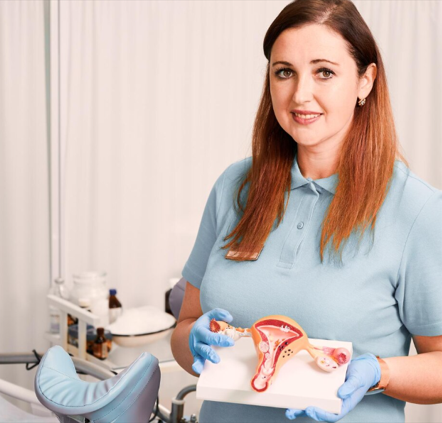
Mesh-Free Pelvic Floor Repair Surgery is a highly specialized pelvic reconstructive procedure performed to correct pelvic organ prolapse (POP) — the descent of the uterus, bladder, vagina, or rectum due to weakened pelvic support structures. Unlike conventional mesh-based methods, this approach uses the patient’s own tissues (native-tissue repair) or biologic grafts to restore pelvic strength, ensuring a natural and biocompatible outcome.
In Korea, this advanced surgery is offered under Women’s Health / OBGYN – Surgical Gynecology and is celebrated for its safety, precision, and long-term stability. Korean hospitals have perfected mesh-free techniques using laparoscopic, robotic-assisted, or hybrid vaginal-laparoscopic methods, combined with AI-guided pelvic mapping, micro-suturing, and collagen regeneration therapy, delivering durable and natural pelvic support without foreign materials.
Purpose & Benefits
- Corrects pelvic organ prolapse (uterine, vaginal, bladder, or rectal).
- Provides strong, natural pelvic support using the patient’s own fascia or ligaments.
- Avoids potential complications related to synthetic mesh.
- Relieves symptoms such as vaginal bulging, pelvic pressure, urinary incontinence, and constipation.
- Maintains uterine and vaginal integrity, ideal for women seeking uterus-preserving repair.
- Minimally invasive with faster recovery and minimal scarring.
- Enhances sexual comfort, bladder control, and bowel function.
- Offers long-lasting, natural results with excellent biocompatibility.
Ideal Candidates
- Women diagnosed with pelvic organ prolapse (POP).
- Patients who prefer non-mesh surgical solutions due to sensitivity or prior mesh complications.
- Women seeking uterus-preserving and minimally invasive pelvic reconstruction.
- Those with mild to moderate prolapse or recurrent prolapse after mesh removal.
- Patients desiring functional and aesthetic pelvic restoration using their own tissues.
- Women of reproductive or postmenopausal age wanting safe, long-term repair.
Possible Risks & Complications
Mesh-free pelvic reconstruction is considered one of the safest surgical options in Korea. Minor and temporary effects may include:
- Mild pelvic or vaginal discomfort.
- Temporary urinary retention or constipation.
- Light vaginal bleeding or discharge.
- Rare infection or inflammation (managed with antibiotics).
- Very low recurrence risk when proper postoperative care is followed.
Korean OBGYN specialists employ advanced imaging, micro-suturing, and laser-assisted tissue strengthening, making complications extremely rare while maximizing comfort and healing.
Surgical Techniques Used
Korean surgeons are global leaders in native-tissue and mesh-free pelvic reconstruction, offering precision and long-term success through customized surgical plans:
- Native Tissue Repair (Fascial Plication): Tightens and reinforces the patient’s own fascia for bladder and rectal support.
- Uterosacral Ligament Suspension (USLS): Anchors the vaginal apex to the uterosacral ligaments for natural elevation.
- Sacrospinous Ligament Fixation (SSLF): Repositions and stabilizes the uterus or vaginal apex using natural ligaments.
- Anterior and Posterior Vaginal Wall Reconstruction (Colporrhaphy): Repairs bladder (cystocele) and rectal (rectocele) prolapse.
- Perineorrhaphy (Perineal Body Repair): Tightens the perineal body to enhance pelvic support and function.
- Laparoscopic or Robotic Mesh-Free Suspension: Uses sutures and biologic grafts instead of synthetic materials.
- Laser-Assisted Collagen Reinforcement: Stimulates natural tissue regeneration and strengthens pelvic fascia.
- Hybrid Laparoscopic-Vaginal Reconstruction: Combines internal visualization with precise vaginal access for comprehensive support.
Korean hospitals utilize AI-guided pelvic floor mapping, 4K/3D visualization, and regenerative energy devices for superior precision, safety, and natural outcomes.
Recovery & Aftercare
- Hospital stay: 1–2 days; some cases eligible for same-day discharge.
- Recovery time: Light activities resumed within 1–2 weeks, full recovery in 4–6 weeks.
- Mild swelling, spotting, or discomfort may occur initially.
- Avoid sexual intercourse, tampon use, and heavy lifting for 4–6 weeks.
- Walking and light movement encouraged for faster recovery.
- Follow-up visits: At 2 and 6 weeks post-surgery.
- Pelvic floor physiotherapy (Kegel exercises) recommended for long-term pelvic strength.
Results & Longevity
- Immediate improvement in pelvic support and prolapse symptoms.
- Restores natural pelvic alignment and vaginal tightness.
- Enhances sexual satisfaction, urinary control, and overall comfort.
- No foreign materials — fully biocompatible repair using natural tissue.
- Over 90–95% success rate with minimal recurrence.
- Long-term results lasting 10–15 years or more with proper care.
Treatment Process in Korea
South Korea is recognized worldwide for its expertise in mesh-free pelvic floor surgery, blending cutting-edge technology with holistic patient care.
Most advanced and popular surgical techniques performed in Korea:
- Native-tissue pelvic reconstruction (fascial and ligament repair).
- Laparoscopic or robotic uterus-preserving reconstruction.
- Laser-assisted tissue tightening and collagen regeneration.
- Hybrid laparoscopic-vaginal mesh-free procedures.
- AI-guided preoperative pelvic mapping for precision.
Unique Korean methods or technology:
- Fertility-preserving and uterus-sparing techniques.
- Pain-free sedation and enhanced recovery systems.
- Aesthetic-functional pelvic and vaginal reconstruction focus.
- AI-powered imaging for customized surgical planning.
- Comprehensive postoperative rehabilitation and physiotherapy programs.
Why Korea is a top destination for this surgery:
- Globally certified pelvic reconstructive surgeons with advanced fellowship training.
- Hospitals equipped with Da Vinci robotic systems and 4K/3D laparoscopic platforms.
- Emphasis on safety, natural outcomes, and long-term satisfaction.
- Affordable, transparent medical costs compared to Western countries.
- Excellent medical tourism services with multilingual support and patient care coordination.
Cost Range
The cost of Mesh-Free Pelvic Floor Repair Surgery in Korea varies by hospital, complexity, and type of reconstruction:
- Typical Range: USD 4,000 – 8,000
- Standard Mesh-Free Repair (Colporrhaphy + Ligament Suspension): USD 4,000 – 6,500
- Laparoscopic or Robotic Mesh-Free Reconstruction: USD 5,500 – 8,500
- Hybrid Vaginal-Laparoscopic Mesh-Free Procedure: USD 5,000 – 7,500
- Comprehensive Surgical Package (Anesthesia, Hospital Stay, Follow-Up): USD 4,800 – 8,000
Korean hospitals provide all-inclusive packages that include preoperative evaluation, anesthesia, surgery, hospitalization, and follow-up. Medical tourism packages include translators, travel assistance, and recovery support.
Popular Clinics with Advanced Mesh-Free Pelvic Floor Repair Surgery in Korea
- Seoul Miz Hospital – Leader in mesh-free and uterus-preserving pelvic reconstruction.
- MizMedi Hospital (Seoul) – Expert in robotic and hybrid mesh-free pelvic repair.
- Yoonho OB/GYN Hospital (Gangnam) – Specializes in aesthetic-functional pelvic and vaginal rejuvenation.
- Gangnam Women’s Hospital – Focuses on natural-tissue repair and rapid recovery techniques.
- Asan Medical Center (Seoul) – Korea’s top tertiary center for advanced pelvic reconstructive surgery.
- Samsung Medical Center (Seoul) – Global innovator in minimally invasive, mesh-free pelvic repair.
- Kyung Hee University Hospital at Gangdong – Academic leader in mesh-free and biologic graft pelvic reconstruction.


