
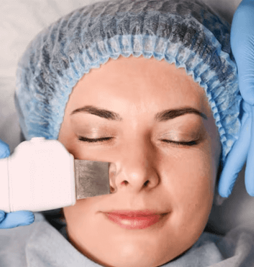
Treatment Overview
Micro-Peel in Korea is a gentle, minimally invasive whitening peel designed to improve skin clarity, texture, and brightness. This procedure uses ultra-fine exfoliating agents or low-concentration chemical solutions to remove dead skin cells, stimulate cell turnover, and enhance skin radiance without causing significant downtime. Korean dermatology clinics are known for combining micro-peels with advanced skin rejuvenation technologies, such as laser toning, vitamin infusions, and LED therapy, making it a preferred treatment for those seeking subtle yet effective whitening and rejuvenation.
Purpose & Benefits
The main purpose of Micro-Peel is to brighten and refresh the skin while improving overall texture. Benefits include:
- Gentle removal of dead skin cells for smoother skin.
- Reduction of dullness and minor pigmentation.
- Enhanced skin radiance and a more even tone.
- Suitable for sensitive and acne-prone skin.
- Supports the absorption and effectiveness of subsequent whitening treatments.
- Minimal downtime with quick recovery.
Ideal Candidates
Micro-Peel is ideal for individuals who:
- Have dull, uneven, or mildly pigmented skin.
- Seek a gentle whitening procedure with minimal irritation.
- Prefer quick treatments without extended recovery.
- Want to improve skin texture, radiance, and hydration.
- Require maintenance treatments to sustain skin brightness.
Possible Risks & Complications
Micro-Peel is generally safe, with very minimal risks:
- Temporary redness or mild tingling during treatment.
- Slight dryness or flaking after the procedure.
- Increased sensitivity to sunlight if sun protection is not followed.
- Rare allergic reactions to the peeling solution in highly sensitive patients.
Surgical Techniques Used
While non-surgical, Micro-Peel in Korea employs professional dermatological techniques:
- Application of low-concentration peeling agents for gentle exfoliation.
- Micro-layering techniques for even and controlled skin resurfacing.
- Combination with Korean whitening serums, LED therapy, or vitamin infusion treatments to enhance results.
- Korean clinics often customize peel solutions to suit individual skin types and whitening needs.
Recovery & Aftercare
Recovery is quick, with most patients experiencing only mild redness or slight peeling for 1–2 days. Recommended aftercare includes:
- Gentle cleansing and moisturization.
- Strict sun protection (SPF 30+ or higher).
- Avoidance of exfoliating or harsh skincare products during recovery.
- Optional follow-up hydration or whitening treatments for enhanced results.
Results & Longevity
Results are typically visible immediately after treatment, with smoother, brighter, and refreshed skin. For long-lasting effects, dermatologists recommend a series of 4–6 sessions spaced 2–4 weeks apart, depending on skin condition and whitening goals. With ongoing maintenance, results can last several months.
Treatment Process in Korea
Korea is a leading destination for Micro-Peel due to its advanced dermatology techniques and patient-centered care:
- Comprehensive skin assessment to determine ideal peel solution and concentration.
- Professional application of the micro-peel for uniform exfoliation.
- Post-treatment care with Korean whitening serums, hydrating masks, and optional LED therapy.
- Optional combination with laser toning or vitamin infusion therapy for enhanced whitening and rejuvenation.
Korean clinics are renowned for customizing treatments based on individual skin type and pigmentation concerns, ensuring maximum whitening results with minimal irritation and downtime.
Cost Range
The cost of a Micro-Peel in Korea varies based on clinic and combination treatments:
- Single session: KRW 70,000 – KRW 150,000.
- Combination treatments (peel + LED or infusion therapy): KRW 200,000 – KRW 350,000.
- Package programs (4–6 sessions): KRW 500,000 – KRW 900,000.
Popular Clinics
Top Korean dermatology clinics offering Micro-Peel include:
- Banobagi Dermatology (Seoul) – expert in gentle peeling and whitening treatments.
- Oracle Dermatology Clinics (nationwide) – customized micro-peel programs for sensitive and dull skin.
- Regen Clinic (Seoul) – combines micro-peel with hydration and vitamin infusion therapy.
- ID Hospital Dermatology Center (Seoul) – integrates peels with whitening laser treatments.
- Wonjin Beauty Medical Group (Seoul) – offers multi-step whitening and skin rejuvenation programs.


