
Treatment Overview
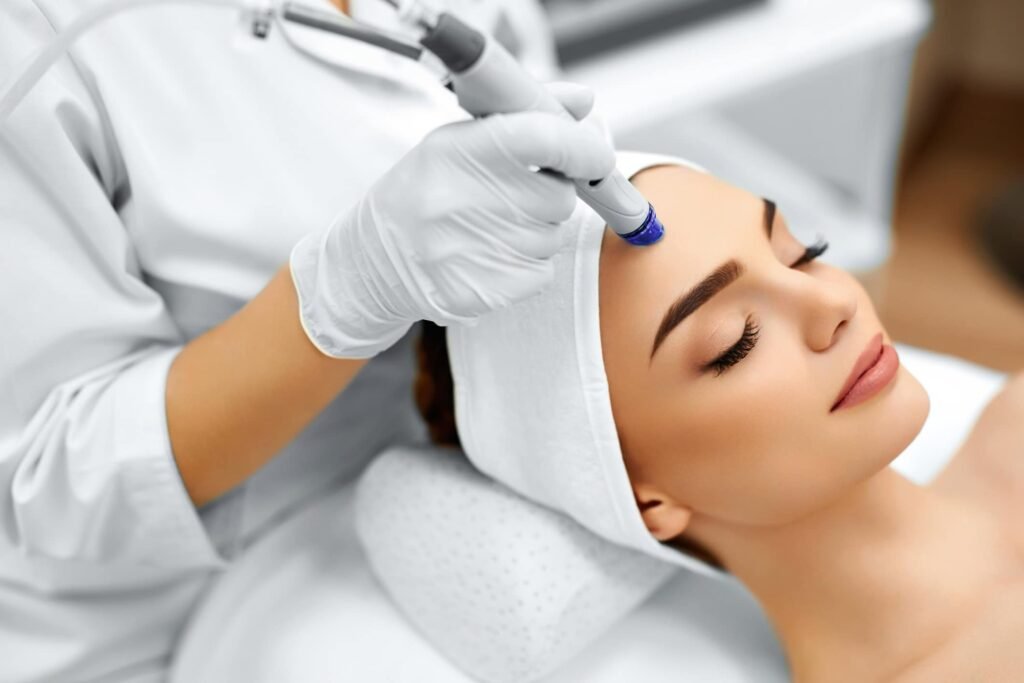
Microdermabrasion is a non-invasive skin resurfacing treatment offered in Korean dermatology clinics that gently exfoliates the outermost layer of the skin using diamond-tipped devices or fine crystals.
By removing dead skin cells and impurities, Microdermabrasion helps unclog pores, regulate sebum production, reduce blackheads/whiteheads, and improve overall skin clarity.
In Korea, this therapy is often used as part of a multi-step acne care program, paired with Aqua Peel, LED therapy, or mild chemical peels for enhanced sebum control and long-lasting results.
Purpose & Benefits
- Sebum Regulation: Removes oil buildup and prevents clogged pores.
- Pore Cleansing: Extracts blackheads, whiteheads, and impurities.
- Acne Reduction: Prevents breakouts by keeping pores clear.
- Texture Refinement: Smoothens rough skin and reduces enlarged pores.
- Skin Brightening: Improves dullness and enhances radiance.
- Non-Invasive: Gentle treatment with no downtime.
Ideal Candidates
Microdermabrasion in Korea is recommended for:
- Patients with oily or combination skin and clogged pores.
- Individuals with blackheads, whiteheads, or mild acne.
- Those with dull or uneven skin tone caused by excess sebum.
- Patients seeking a gentle exfoliation alternative to chemical peels.
- Individuals who want maintenance care alongside medical acne treatments.
Possible Risks & Complications
Microdermabrasion is considered very safe, but temporary effects may occur:
- Mild Redness: Usually resolves within hours.
- Dryness or Tightness: Possible for 1–2 days post-treatment.
- Rare Risks: Overly sensitive skin may experience irritation if combined with harsh exfoliants too soon.
Surgical Techniques Used
- Diamond-Tip or Crystal Device: Gently abrades the skin surface.
- Vacuum Suction: Removes exfoliated skin cells, oil, and debris.
- Optional Add-Ons: Hydrating serums or LED therapy applied afterward.
Protocol: Typically 4–6 sessions, spaced 2–4 weeks apart.
Recovery & Aftercare
Immediately: Skin feels smoother and fresher.
1–2 Days: Mild redness or dryness may occur.
1–2 Weeks: Noticeable reduction in oiliness and improved skin clarity.
Aftercare Tips:
- Apply hydrating creams and barrier moisturizers.
- Use SPF 50+ sunscreen daily.
- Avoid strong exfoliants, scrubs, or retinoids for 3–5 days post-treatment.
- Maintain a gentle, hydrating skincare routine.
Results & Longevity
- After 1 Session: Fresher, cleaner skin with less oil.
- After 3–4 Sessions: Reduced blackheads, whiteheads, and breakouts.
- After 6 Sessions: Long-term sebum balance, refined pores, and smoother texture.
Maintenance treatments every 1–2 months are common for acne-prone patients.
Treatment Process in Korea
Consultation & Skin Analysis
Dermatologist evaluates sebum activity, acne severity, and skin sensitivity.
Preparation
Gentle cleansing performed; sensitive areas protected.
Microdermabrasion Session
- Step 1: Diamond-tip wand or crystal device applied across the face.
- Step 2: Vacuum suction removes impurities and dead cells.
- Step 3: Optional soothing mask or hydrating serum applied post-treatment.
- Step 4: Barrier cream and sunscreen applied.
Duration: 20–30 minutes.
Post-Treatment Care
Patients resume normal activities immediately with minimal downtime.
Follow-Up
4–6 treatments suggested for optimal results.
Unique Korean Advantages
- Precision Technology: Clinics use advanced microdermabrasion devices for safety.
- Customized Care: Often combined with Aqua Peel, LED, or acne drips.
- Gentle & Safe: Adjusted intensity suitable for Asian skin.
- Affordable Packages: Widely available in dermatology and premium skin clinics.
Cost Range (Estimated)
- Single Microdermabrasion Session: USD 70 – 120
- Microdermabrasion + LED/Soothing Mask: USD 120 – 180
- Microdermabrasion + Aqua Peel/Extraction: USD 150 – 220
Example Korean Packages:
- Standard Program (5 sessions): USD 350 – 500
- Acne Care Program (5 sessions with LED/Extraction): USD 550 – 850
- Premium Program (6 sessions with Whitening Drip/Exosome Boosters): USD 1,000 – 1,400
Popular Clinics in Seoul
- Oracle Dermatology: Microdermabrasion-based acne control programs.
- Banobagi Dermatology: Multi-step exfoliation packages for oily skin.
- Renewme Skin Clinic: Microdermabrasion combined with LED light therapy.
- View Dermatology: Customized acne programs with microdermabrasion add-ons.
- Chaum Anti-Aging Center: Premium sebum therapy with microdermabrasion and boosters.


