
Treatment Overview
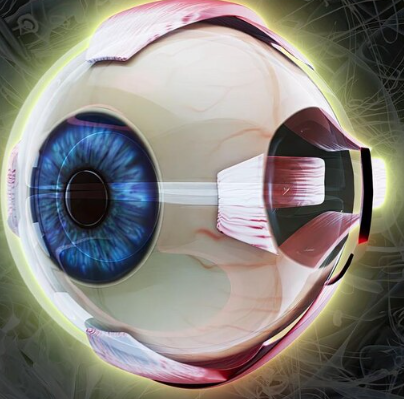
MicroPulse Transscleral Cyclophotocoagulation (MicroPulse TSCPC) in Korea is an advanced, non-incisional Minimally Invasive Glaucoma Surgery (MIGS) designed to reduce intraocular pressure (IOP) by gently applying low-duty cycle, micro-pulsed laser energy to selectively modulate the ciliary body—the structure that produces aqueous humor. Unlike traditional continuous-wave cyclophotocoagulation, MicroPulse TSCPC delivers laser energy in short, repetitive bursts, allowing tissue cooling between pulses and preventing collateral damage.
Korean ophthalmology centers optimize the procedure with AI-assisted energy calibration, ultrasound biomicroscopy (UBM) targeting, iris-fixation stabilization, high-resolution cyclo-mapping, and MicroPulse dose-control algorithms. This creates a safer, more predictable approach suitable for a wide range of glaucoma types, including refractory, advanced, and even moderate cases requiring non-incisional IOP reduction.
Purpose & Benefits
Purpose
- Reduce aqueous humor production by modulating, not destroying, the ciliary body.
- Lower IOP in patients with uncontrolled or medication-resistant glaucoma.
- Offer a safe alternative to more invasive surgical options.
- Provide effective pressure reduction with minimal postoperative irritation.
Benefits
- Non-Incisional MIGS: No cuts, no implants, no opening of the eye.
- Tissue-Sparing Technology: MicroPulse pattern protects surrounding tissue.
- Reduced Pain & Inflammation: Much gentler than conventional cyclophotocoagulation.
- Fast Recovery: Minimal downtime and rapid return to normal activities.
- Safe for Many Glaucoma Types: Effective for open-angle, angle-closure, secondary, and refractory glaucoma.
- Repeatable: Procedure can be safely repeated for additional IOP control.
- Compatible With Other MIGS: Enhances results when used alongside implant or trabecular MIGS.
Ideal Candidates
MicroPulse TSCPC in Korea is ideal for:
- Patients with moderate to advanced glaucoma needing significant pressure reduction.
- Individuals with medication intolerance or inadequate response to drops or laser therapy.
- Patients seeking a non-incisional procedure.
- Individuals with prior glaucoma surgeries that failed or lost effectiveness.
- Those who are not good candidates for incisional MIGS or filtration surgery.
- Patients with both open-angle and angle-closure glaucoma.
Possible Risks & Complications
MicroPulse TSCPC is far safer than traditional CPC. Mild temporary effects may include:
- Brief soreness or irritation
- Transient IOP fluctuations
- Mild inflammation
- Temporary light sensitivity
- Rare prolonged hypotony (much less likely than with continuous-wave CPC)
Korean surgeons further minimize risks using:
- AI-based pulse sequence optimization
- Real-time laser energy feedback systems
- UBM-guided ciliary body localization
- Protective cooling intervals built into the laser cycle
Surgical Techniques
1. AI-Guided Power & Duty Cycle Planning
Customizes pulse energy, duration, and rotation path.
2. Non-Invasive Probe Placement
A MicroPulse probe is placed externally against the sclera, with no incisions required.
3. Micro-Pulse Laser Delivery
Laser energy is delivered in short bursts—treating target tissue while allowing cooling to prevent damage.
4. Quadrant-Based or Full 360° Treatment
Surgeons may treat selected quadrants or the entire ciliary band depending on severity.
5. Real-Time Temperature Control
Built-in cooling intervals and laser modulation ensure tissue safety.
6. Precision Targeting
UBM or OCT localization ensures accurate treatment of the ciliary body.
Treatment Process in Korea
Step-by-Step Workflow
Step 1 – Comprehensive Glaucoma Evaluation
Includes IOP measurement, OCT, UBM, visual fields, and medication response assessment.
Step 2 – Laser Power Planning
AI systems determine ideal power, duty cycle, and treatment duration.
Step 3 – Pain-Free Procedure
Topical anesthesia (sometimes with mild sedation) is applied; no cutting or injection is required in most cases.
Step 4 – MicroPulse TSCPC
Laser probe is moved in a sweeping pattern across treatment zones, targeting the ciliary body through the sclera.
Step 5 – Postoperative Monitoring
Follow-ups ensure proper inflammation control and IOP stabilization.
Treatment Duration: 5–8 minutes per eye
Setting: Outpatient, same-day discharge
Recovery & After-Care
After-Care Guidelines
- Use anti-inflammatory drops for 1–2 weeks.
- Avoid heavy exercise for several days.
- Wear sunglasses outdoors to reduce light sensitivity.
- Continue glaucoma medications until advised to taper.
- Return for scheduled IOP checks.
Recovery Timeline
Days 1–3: Mild soreness and sensitivity; early pressure changes begin.
Week 1: IOP continues to decline; inflammation subsides.
Weeks 2–4: Stable IOP reduction; possible medication taper.
1–3 Months: Long-term stability with maximized outflow and reduced fluid production.
Results & Longevity
Expected Results
- Significant and sustained IOP reduction.
- Reduction or elimination of several glaucoma medications.
- Safe and well-tolerated with minimal postoperative inflammation.
- Works well even in advanced or refractory cases.
Longevity
- Results typically last years, depending on glaucoma severity.
- The procedure is safely repeatable if additional IOP reduction is required.
- Combining MicroPulse TSCPC with other MIGS (Hydrus, KDB, canaloplasty) improves long-term outcomes.
Why Korea Is a Top Destination
- Advanced MicroPulse Technology: Korean clinics use the newest MicroPulse platforms with real-time feedback.
- AI-Personalized Laser Delivery: Ensures optimal energy dosing for safety and effectiveness.
- High-Precision Imaging: UBM, OCT, and digital cyclo-mapping for perfect targeting.
- Minimally Invasive Practice: No incisions, implants, or sutures.
- Outstanding Clinical Outcomes: High success in lowering IOP even in difficult cases.
Unique Korean Innovations
- AI-calibrated laser duty cycle and energy optimization
- Advanced ciliary body mapping algorithms
- Temperature-stabilizing laser modulation
- Hybrid MIGS strategies (MicroPulse + canaloplasty or stent-based MIGS)
- Machine-learning IOP behavior prediction post-procedure
These advancements make MicroPulse Transscleral Cyclophotocoagulation in Korea one of the safest, most effective, and most patient-friendly MIGS options available today.
Cost Range (Indicative Estimate)
| Treatment Package | Price (KRW) | Approx. USD | Inclusions |
|---|---|---|---|
| Standard MicroPulse TSCPC | ₩800,000 – ₩1,400,000 | ~$600 – $1,050 | Non-invasive MicroPulse treatment with basic follow-up |
| Premium MicroPulse Guided Package | ₩1,600,000 – ₩2,500,000 | ~$1,200 – $1,900 | AI-calibrated energy dosing + UBM targeting |
| Hybrid MIGS Combination Program | ₩3,500,000 – ₩6,000,000+ | ~$2,600 – $4,500+ | MicroPulse + additional MIGS for advanced glaucoma |
Costs vary depending on technology platform, surgeon experience, and glaucoma severity.
Popular Clinics in Korea
- B&VIIT Eye Center (Seoul): Experts in MicroPulse TSCPC for advanced glaucoma.
- Dream Eye Center (Seoul): Known for AI-guided laser modulation and precision targeting.
- BGN Eye Clinic (Seoul & Busan): Specialists in MicroPulse + hybrid MIGS treatment.
- Glory Seoul Eye Clinic: Focuses on non-incisional glaucoma laser surgery.
- K-Cure Vision Center (Gangnam): Leaders in AI-enhanced cyclo-mapping and laser planning.


