
Treatment Overview
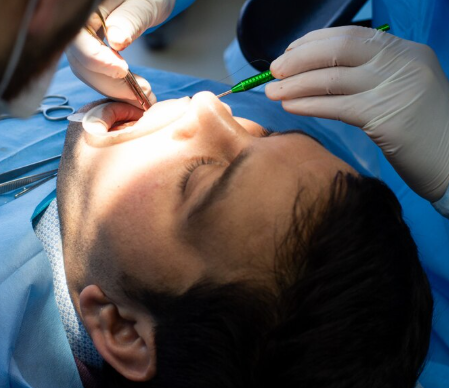
Microsurgical Gum Grafting in Korea is an advanced, precision-based periodontal procedure used to restore receded gums, cover exposed tooth roots, and strengthen weakened gum tissue. Unlike traditional gum grafting, microsurgical gum grafting uses ultra-fine surgical instruments and high-magnification microscopes to perform tissue transplantation with unmatched accuracy, minimal trauma, and exceptional aesthetic outcomes.
Korean periodontists combine microsurgical techniques, PRF (Platelet-Rich Fibrin), AI-guided gum mapping, and laser-assisted healing to achieve natural-looking, long-lasting results. This modern approach significantly reduces pain, swelling, and downtime while promoting rapid healing and natural tissue integration.
The result is thicker, healthier gums, improved tooth stability, and enhanced smile aesthetics — with precision and comfort only possible through Korean microsurgical expertise.
Purpose & Benefits
Purpose
- Rebuild gum tissue lost due to gum recession.
- Cover exposed roots and eliminate tooth sensitivity.
- Thicken thin gum tissue to prevent further recession.
- Restore balanced, natural gum contours for an aesthetic smile.
- Promote long-term periodontal health and tooth stability.
Benefits
- Ultra-Precise Surgery: Microsurgical magnification ensures maximum accuracy.
- Minimal Trauma: Smaller incisions and faster healing than conventional grafting.
- Aesthetic Excellence: Seamless color blending with surrounding gums.
- Biologic Healing: PRF and laser technology accelerate natural regeneration.
- Reduced Pain & Swelling: Gentle technique minimizes tissue trauma.
- Long-Term Stability: Reinforces gum attachment and prevents recurrence.
Ideal Candidates
Microsurgical Gum Grafting in Korea is ideal for:
- Patients with localized or generalized gum recession.
- Individuals with tooth sensitivity or exposed roots.
- Those with thin or fragile gum tissue prone to further loss.
- Patients seeking aesthetic correction for uneven gum lines.
- Individuals wanting a minimally invasive, natural-looking solution.
Possible Risks & Complications
Microsurgical gum grafting is extremely safe and performed under magnified visualization for maximum control. Temporary effects may include:
- Mild tenderness or swelling for 2–3 days.
- Temporary gum tightness during healing.
- Slight color variation that fades as tissue integrates.
Korean periodontists minimize risks using AI-assisted graft planning, laser sterilization, and PRF biologic membranes to ensure faster recovery and near-perfect results.
Techniques & Technology Used
Core Techniques
- Microsurgical Magnification: Enhances precision and minimizes tissue trauma.
- Tunnel or Pouch Technique: Allows graft placement without visible incisions.
- PRF Regeneration Therapy: Uses patient’s growth factors for biologic healing.
- Laser-Assisted Healing: Stimulates collagen production and minimizes inflammation.
- AI Gum Mapping: Determines optimal graft size, shape, and position.
- Oxygen-Ozone Therapy: Enhances oxygen supply and sterilizes surgical sites.
- Collagen Membrane Stabilization: Ensures seamless tissue integration.
These techniques guarantee biologic precision, comfort, and predictable long-term gum health.
Treatment Process in Korea
Step-by-Step Workflow
- Digital Gum Assessment: AI 3D imaging evaluates recession depth and tissue thickness.
- Local Anesthesia: Provides a completely pain-free experience.
- Microsurgical Access: Tiny incisions created using micro-instruments for precision.
- Tissue Grafting: Gum tissue or collagen graft carefully inserted through tunnel/pouch technique.
- PRF & Laser Application: PRF membrane and laser biostimulation enhance healing.
- Microsurgical Suturing: Ultra-thin sutures used to secure grafts naturally.
- AI Healing Tracking: Digital monitoring ensures proper integration and gum stability.
Recovery & Aftercare
Aftercare Guidelines
- Avoid brushing or flossing the grafted area for 7–10 days.
- Use prescribed mouth rinse or saline solution.
- Eat soft, cool foods and avoid spicy or hard textures.
- Do not smoke or consume alcohol during recovery.
- Attend follow-up visits for healing evaluation and digital scans.
Recovery Timeline
- 1–3 Days: Mild swelling or tenderness decreases.
- 1–2 Weeks: Graft integrates and gum color blends naturally.
- 4–6 Weeks: Full healing and stable attachment achieved.
Results & Longevity
Expected Results
- Complete root coverage and thicker gum tissue.
- Reduced sensitivity and improved oral comfort.
- Natural gum color and contour restored.
- Enhanced periodontal strength and long-term health.
Longevity
Results typically last 15–25 years or longer with proper care.
Korean clinics report success rates of 97–99% for microsurgical gum graft integration.
Routine professional cleaning and laser maintenance every 6–12 months are recommended.
Why Korea Is a Top Destination
- Microsurgical Mastery: Korean periodontists are world leaders in precision gum surgery.
- AI Precision Planning: Customizes graft design and placement for natural symmetry.
- Biologic Healing: PRF and laser technology enhance natural tissue integration.
- Minimally Invasive Comfort: Tiny incisions ensure faster, pain-free recovery.
- Aesthetic Perfection: Seamless color and contour blending.
- Affordable Excellence: 40–60% lower cost than Western clinics.
- International Support: English, Mandarin, and Japanese-speaking staff.
Korea’s combination of AI-assisted microsurgery, biologic regeneration, and aesthetic precision has made it a global leader in gum grafting and periodontal regeneration.
Unique Korean Methods & Technology
- PRF + Microsurgical Regeneration System
- AI 3D Gum Mapping
- Tunnel & Pouch Grafting Techniques
- Laser Biophotonic Healing
- Guided Biofilm Therapy (GBT)
- Oxygen-Ozone Gum Detox Therapy
- CAD/CAM Gum Contour Simulation
- AI Healing Progress Monitoring
These technologies provide natural-looking, biologically stable, and long-lasting gum restoration.
Cost Range
| Treatment Package | Price (KRW) | Approx. USD | Inclusions |
|---|---|---|---|
| Single-Tooth Microsurgical Graft | ₩900,000 – ₩1,300,000 | $670 – $970 | Microsurgical graft + PRF + laser healing |
| Multi-Tooth Microsurgical Grafting (2–4 teeth) | ₩1,800,000 – ₩2,800,000 | $1,330 – $2,070 | PRF + AI mapping + collagen membrane |
| Full-Arch Microsurgical Regeneration Program | ₩3,200,000 – ₩4,800,000 | $2,370 – $3,550 | PRF + laser biostimulation + CAD/CAM contour + AI tracking |
Popular Clinics
- Seoul National University Dental Hospital (Periodontics Department): Pioneers in microsurgical gum grafting and biologic regeneration.
- Yonsei University Dental Hospital (Soft Tissue Division): Experts in PRF-enhanced and tunnel-based grafting.
- Asan Medical Center (Oral Regenerative Unit): Specialists in biologic and aesthetic microsurgical procedures.
- Samsung Medical Dental Center: Leaders in AI-guided gum graft design and laser-assisted healing.
- JK Biologic Dental & Periodontal Clinic (Gangnam): Globally recognized for aesthetic microsurgical gum restoration and regenerative dentistry.


