
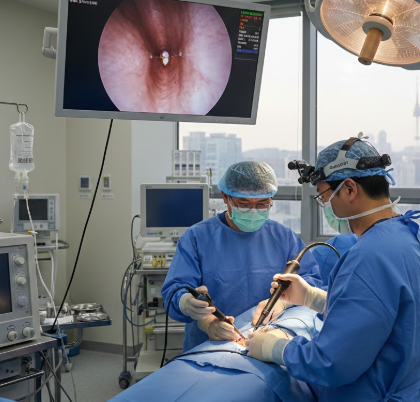
Treatment Overview
Mid-ureteral stone removal is a minimally invasive procedure designed to extract stones located in the middle segment of the ureter. Stones in this area can cause severe pain, obstruction, and recurrent urinary tract infections if left untreated. In Korea, hospitals use advanced endoscopic and laser technologies to ensure precise stone removal with minimal discomfort, short hospital stays, and fast recovery for international patients seeking high-quality urological care.
Purpose & Benefits
The primary purpose of mid-ureteral stone removal is to relieve urinary obstruction, prevent kidney damage, and alleviate pain. Benefits of undergoing the procedure in Korea include:
- Minimally invasive technique with no large incisions
- High success rate in removing stones from the mid-ureter
- Reduced hospital stay and faster recovery
- Low risk of complications due to advanced technology
- Quick relief from pain and urinary symptoms
Ideal Candidates
Mid-ureteral stone removal is suitable for patients who:
- Have stones located in the mid-ureter causing pain or obstruction
- Have stones that cannot pass naturally
- Prefer a minimally invasive approach over open surgery
- Are healthy enough for anesthesia
- Are seeking advanced treatment abroad
This procedure is effective for both adults and older children, depending on stone size and location.
Possible Risks & Complications
While generally safe, the procedure carries some potential risks:
- Temporary hematuria (blood in urine)
- Ureteral injury or perforation (rare)
- Infection, usually preventable with antibiotics
- Incomplete stone removal requiring secondary treatment
- Mild discomfort during stone passage
Korean hospitals maintain strict safety protocols, and experienced urologists minimize these risks.
Techniques & Technology Used
Korea is known for its cutting-edge technology in mid-ureteral stone removal:
- Flexible and rigid ureteroscopes for accessing stones in the mid-ureter
- Holmium laser lithotripsy for precise stone fragmentation
- High-definition imaging systems for accurate visualization
- Pneumatic or ultrasonic lithotripsy devices for hard stones
- Ureteral stents to maintain ureteral patency after the procedure
These advanced technologies allow safe and efficient removal of stones even in challenging locations.
Treatment Process in Korea
The treatment process generally includes:
- Preoperative assessment: Imaging tests such as CT scans or ultrasounds determine stone size, location, and kidney function.
- Anesthesia: Local, spinal, or general anesthesia is administered depending on patient needs.
- Endoscopic insertion: A ureteroscope is inserted through the urethra and bladder to reach the mid-ureter.
- Stone fragmentation & removal: Lasers or other lithotripsy devices break stones into fragments, which are removed or allowed to pass naturally.
- Stent placement (if necessary) to prevent obstruction and promote healing.
International patients benefit from comprehensive medical tourism services including airport transfer, translation, and accommodation.
Recovery & After-Care
Recovery from mid-ureteral stone removal is usually quick:
- Hospital stay: 1–2 days for most patients
- Mild pain managed with oral medication
- Resume normal daily activities within a few days
- Follow-up imaging ensures complete stone clearance and ureter healing
- Adequate hydration and dietary adjustments recommended to prevent recurrence
Korean hospitals provide detailed instructions for post-procedure care to international patients.
Results & Longevity
Mid-ureteral stone removal in Korea has a high success rate, with most patients achieving complete stone clearance in a single session. Long-term outcomes are excellent, particularly when patients follow preventive measures such as proper hydration, dietary modifications, and regular follow-ups to monitor kidney and ureteral health.
Why Korea Is a Top Destination
Korea is a leading destination for mid-ureteral stone removal because of:
- Advanced laser and endoscopic technology
- Highly skilled urologists with international expertise
- State-of-the-art hospitals with global standards
- High success rates with minimal recovery time
- Cost-effective treatment compared to Western countries
- Comprehensive services for international patients including translation, accommodation, and follow-up care
Cost Range
The cost of mid-ureteral stone removal in Korea generally ranges from $2,000 to $4,500 USD, depending on:
- Stone size and complexity
- Type of lithotripsy or laser used
- Need for ureteral stent placement
- Choice of hospital and surgeon
This cost is competitive internationally without compromising quality.
Popular Clinics in Korea
Top hospitals for mid-ureteral stone removal include:
- Seoul National University Hospital – advanced urology department with laser lithotripsy
- Asan Medical Center – renowned for high stone clearance success rates
- Samsung Medical Center – state-of-the-art technology and international patient support
- Yonsei Severance Hospital – expertise in complex ureteral stone cases
- CMC Bundang Hospital – minimally invasive procedures with comprehensive care
These hospitals provide medical tourism packages including translation, accommodation, and post-procedure follow-up.


