
→ Treatment Overview
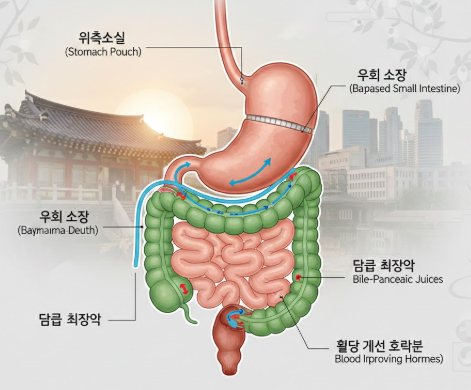
Mini Gastric Bypass (MGB) for Type 2 Diabetes in Korea is a specialized bariatric surgery aimed at both weight loss and metabolic control. The procedure involves creating a small gastric pouch and connecting it to a loop of the small intestine, which reduces food intake and alters gut hormones to improve insulin sensitivity.
Korean centers combine advanced laparoscopic techniques with metabolic care, making it a preferred option for international patients seeking effective management of type 2 diabetes alongside obesity treatment.
→ Purpose & Benefits
The primary purpose is to achieve significant weight loss and improve glycemic control in patients with type 2 diabetes.
Key benefits include:
→ Improvement or remission of type 2 diabetes
→ Enhanced insulin sensitivity and better blood sugar control
→ Significant and sustainable weight loss
→ Reduction in obesity-related comorbidities such as hypertension and dyslipidemia
→ Minimally invasive surgery with faster recovery
→ Enhanced quality of life and long-term metabolic health
MGB addresses both obesity and diabetes, offering dual health benefits.
→ Ideal Candidates
This procedure is suitable for patients with type 2 diabetes and obesity.
Ideal candidates include:
→ Adults with BMI ≥30 or BMI ≥27–30 with poorly controlled type 2 diabetes
→ Patients with insulin resistance or metabolic syndrome
→ Individuals who have not achieved optimal glycemic control through medications or lifestyle interventions
→ Patients committed to follow-up care, diet, and lifestyle changes
→ International patients seeking advanced metabolic bariatric surgery in Korea
Pre-operative evaluation ensures safe and personalized surgical planning.
→ Possible Risks & Complications
While generally safe, MGB carries potential risks.
Possible risks include:
→ Surgical complications such as bleeding, infection, or leakage
→ Nutritional deficiencies if post-operative diet and supplementation are not followed
→ Gastrointestinal issues such as reflux or dumping syndrome
→ Marginal ulcers or bowel obstruction (rare)
→ Weight regain if lifestyle changes are not maintained
Metabolic monitoring helps mitigate these risks and optimize outcomes.
→ Techniques & Technology Used
Korean centers use state-of-the-art laparoscopic technology integrated with endocrine and metabolic care.
Common techniques include:
→ High-definition laparoscopic imaging for precise gastric pouch creation
→ Single or multiple anastomosis connecting the pouch to the small intestine
→ Pre- and post-operative metabolic and hormonal evaluation
→ Digital tracking of blood sugar, weight, and metabolic markers
→ Multidisciplinary support involving dietitians, endocrinologists, and surgeons
Advanced technology ensures safe surgery and effective diabetes management.
→ Treatment Process in Korea
The procedure combines surgical intervention with metabolic management.
Typical process includes:
→ Pre-operative evaluation including labs, imaging, and metabolic assessment
→ Consultation with bariatric surgeon and endocrinologist
→ Laparoscopic mini gastric bypass under general anesthesia
→ Post-operative follow-up including dietary guidance, metabolic monitoring, and lifestyle coaching
→ Long-term support for glycemic control, weight management, and overall metabolic health
International coordinators assist with appointments, travel, and language support.
→ Recovery & After-Care
Recovery focuses on healing, dietary management, and metabolic stabilization.
After-care includes:
→ Gradual diet progression from liquids to solids under dietitian supervision
→ Nutritional supplementation to prevent deficiencies
→ Regular monitoring of blood sugar, HbA1c, and other metabolic markers
→ Exercise and lifestyle counseling to support sustainable weight loss and glycemic control
→ Follow-up consultations to detect and manage complications early
Structured after-care ensures safe recovery and optimal metabolic outcomes.
→ Results & Longevity
Patients typically achieve significant improvement in weight and diabetes control.
Expected outcomes include:
→ Remission or significant improvement of type 2 diabetes in most patients
→ Loss of 60–80% of excess body weight within 1–2 years
→ Improved insulin sensitivity and reduced need for medications
→ Long-term weight maintenance with adherence to diet and lifestyle changes
→ Enhanced quality of life and reduced risk of diabetes-related complications
Continuous follow-up maximizes the longevity and effectiveness of results.
→ Why Korea Is a Top Destination
Korea is recognized for combining advanced bariatric surgery with metabolic care.
Key reasons include:
→ Experienced surgeons and endocrinology teams specializing in diabetes surgery
→ Advanced laparoscopic surgical technology
→ Comprehensive pre- and post-operative metabolic monitoring
→ Telemedicine support for international patient follow-up
→ Competitive pricing with high-quality healthcare standards
Korea provides integrated care for effective weight loss and diabetes management.
→ Cost Range
The cost of Mini Gastric Bypass for Type 2 Diabetes in Korea is competitive.
Estimated cost range:
→ USD 11,500 – USD 19,500
This typically includes surgery, anesthesia, hospital stay, pre- and post-operative metabolic evaluation, and follow-up care. Additional costs may apply for extended consultations or specialized monitoring.
→ Popular Clinics in Korea
Several Korean centers specialize in MGB for type 2 diabetes.
Common options include:
→ Bariatric centers in Seoul offering integrated metabolic and weight-loss programs
→ University-affiliated hospitals with multidisciplinary endocrine and surgical care
→ Private clinics providing personalized post-operative programs and international patient support
These clinics are known for advanced technology, experienced staff, and structured metabolic follow-up.


