
Treatment Overview
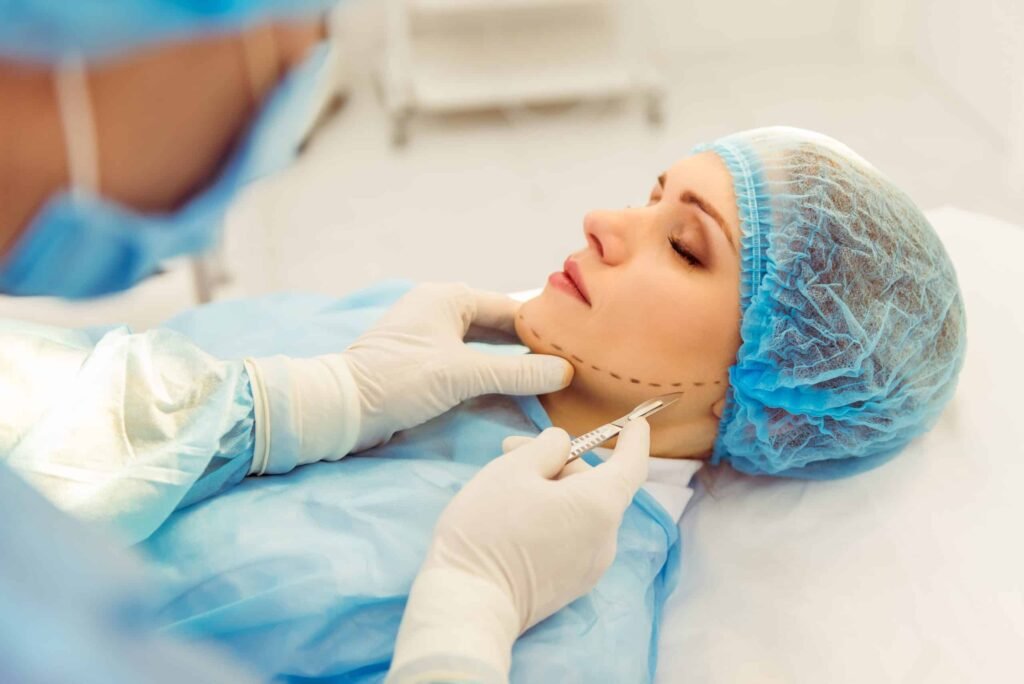
Minimal Incision Chin Implant surgery is a refined facial contouring procedure designed to augment the chin using the smallest possible surgical incisions. This technique minimizes scarring, reduces recovery time, and lowers the risk of complications while providing effective and natural-looking chin enhancement. It is ideal for patients seeking subtle to moderate chin augmentation without the extensive downtime associated with traditional methods. South Korea is a global leader in minimally invasive facial surgeries, offering cutting-edge technology and highly skilled surgeons to ensure optimal results.
Purpose & Benefits
The procedure aims to improve chin projection and balance facial proportions with minimal trauma to surrounding tissues. Benefits include smaller, less noticeable scars, quicker healing, reduced swelling and bruising, and natural-looking results. This method is suitable for patients who prefer a less invasive approach with reliable, long-lasting enhancement.
Ideal Candidates
Ideal candidates are individuals seeking subtle to moderate chin augmentation with minimal surgical intervention. Those with mild chin retrusion or imbalance who desire a natural look and faster recovery benefit most. Candidates should be in good health and have realistic expectations about achievable outcomes.
Possible Risks & Complications
Risks are similar to other implant surgeries but generally reduced due to the smaller incision size. Potential complications include swelling, bruising, infection, implant displacement, numbness, or asymmetry. Proper surgical technique and postoperative care help minimize these risks. Scar formation is minimal and usually hidden inside the mouth or under the chin.
Surgical Techniques Used
Surgeons use small intraoral or submental incisions, often less than 1.5 cm, to insert the chin implant. Advanced endoscopic assistance may be utilized for better visualization and precise implant placement. The implant is typically made from biocompatible silicone or Medpor materials. Fixation with sutures or screws ensures stability. Preoperative 3D imaging assists in customizing implant size and shape for each patient.
Recovery & Aftercare
Recovery is typically faster compared to traditional implant surgeries, with swelling and bruising peaking within a few days and subsiding within 1–2 weeks. Patients are advised to maintain a soft diet, avoid strenuous activities, and practice good oral hygiene. Follow-up visits monitor healing and implant position. Most patients resume normal daily activities within a week.
Results & Longevity
Results are visible immediately, showing improved chin projection and contour. Final results develop as swelling diminishes over 3 to 6 months. The implant provides permanent structural enhancement with a natural appearance, maintaining facial harmony for years.
Treatment Process in Korea
The process begins with an initial consultation, which may be virtual or in-person, where surgeons evaluate the patient’s facial structure and aesthetic goals. High-resolution 3D CT scans and digital simulations aid in precise implant selection and surgical planning. On surgery day, performed under local anesthesia with sedation or general anesthesia, the surgeon makes minimal incisions to insert and secure the implant. Postoperative care instructions are provided, and patients have scheduled follow-ups to ensure optimal healing. Korean clinics are known for excellent patient care, offering multilingual support, airport transfers, and personalized recovery plans for international patients.
Korea’s reputation as a leading destination for minimal incision facial surgeries stems from its advanced technology, expert surgeons, strict safety protocols, and holistic patient-centered approach.
Cost Range
The cost of minimal incision chin implant surgery in Korea generally ranges from ₩4,500,000 to ₩10,000,000 KRW (approximately $3,400 to $7,500 USD), depending on implant type, surgeon experience, anesthesia, and facility fees.
| Service Component | Cost Range (KRW) | Approx. USD |
|---|---|---|
| Consultation & Imaging | ₩200,000 – ₩400,000 | $150 – $300 |
| Surgical Fee | ₩3,000,000 – ₩7,000,000 | $2,250 – $5,250 |
| Anesthesia & Facility Fees | ₩800,000 – ₩1,500,000 | $600 – $1,130 |
| Postoperative Care | ₩300,000 – ₩600,000 | $225 – $450 |
Popular Clinics in Korea
- Banobagi Plastic Surgery: Specialists in minimally invasive facial implant surgeries.
- ID Hospital: Known for precise 3D planning and minimal incision techniques.
- JW Plastic Surgery: Offers natural, subtle chin augmentation with quick recovery.
- The Plus Plastic Surgery: Focuses on patient comfort and minimally invasive methods.
- View Plastic Surgery: Combines advanced technology with expert surgical care.


