
Treatment Overview
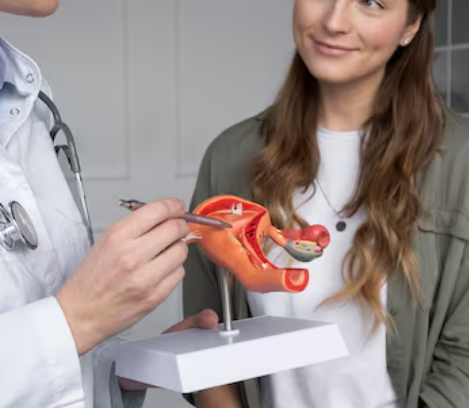
The Minimally Invasive Laparoscopic Uterus Removal (MILUR) in Korea represents the forefront of modern gynecologic surgery. This advanced procedure removes the uterus using tiny keyhole incisions and high-definition laparoscopic visualization, allowing for precise, gentle, and highly efficient surgery. Korean hospitals are renowned for combining innovation, surgical expertise, and patient-centered recovery—making this treatment one of the most sought-after procedures in Asia for women requiring hysterectomy.
By using small incisions (5–10 mm) and state-of-the-art laparoscopic equipment, Korean surgeons can perform uterus removal with minimal pain, less bleeding, and faster recovery compared to traditional open surgery. This technique is especially valued for its cosmetic benefits, reduced downtime, and lower risk of complications.
Purpose & Benefits
Purpose:
- Safely remove the uterus to treat fibroids, adenomyosis, endometriosis, prolapse, or cancer
- Offer a less invasive, scar-minimizing option for women requiring hysterectomy
- Reduce trauma, hospital stay, and recovery time
Benefits:
- Smaller incisions with nearly invisible scars
- Minimal postoperative pain and bleeding
- Faster recovery and return to normal activities
- Shorter hospital stay (typically 1–2 days)
- Reduced infection and adhesion risks
- Enhanced cosmetic and functional outcomes
- Suitable for both premenopausal and postmenopausal women
Ideal Candidates
This procedure is suitable for women who:
- Require removal of the uterus due to benign or malignant conditions
- Prefer a minimally invasive and cosmetically appealing option
- Have no contraindications to laparoscopic surgery
- Wish to experience faster healing and minimal disruption to daily life
Korean gynecologic specialists conduct comprehensive evaluations—using MRI, ultrasound, and blood hormone analysis—to ensure each candidate receives a personalized surgical plan.
Possible Risks & Complications
Though MILUR is one of the safest hysterectomy options, potential complications may include:
- Minor bleeding or infection
- Injury to nearby organs (rare)
- Temporary urinary or bowel discomfort
- Scar tissue formation (less frequent than in open surgery)
- Anesthesia-related reactions
Korea’s hospitals mitigate these risks through real-time laparoscopic monitoring, high-definition imaging, and precision energy-based instruments designed to protect surrounding tissues.
Surgical Techniques Used
Korea is internationally recognized for its expertise in advanced laparoscopic systems. Techniques used in MILUR include:
- High-Definition 3D Laparoscopy: Provides superior depth and detail for safe tissue dissection.
- Multi-Port or Single-Port Access: Reduces scarring and enhances cosmetic appearance.
- Energy-Based Vessel Sealing Devices: Such as ultrasonic (Harmonic) or bipolar systems for bloodless surgery.
- Fluorescence Imaging (ICG): Identifies vital structures and optimizes precision.
- Enhanced Recovery Protocols (ERP): Integrate anesthetic and rehabilitation advances to promote early mobility.
These technologies allow Korean surgeons to achieve exceptional precision, shorter surgery times, and superior healing.
Recovery & Aftercare
Patients typically recover faster compared to traditional hysterectomy. Most can walk within hours and are discharged within 24–48 hours.
Postoperative care includes:
- Light activity and pain management for the first few days
- Avoiding heavy lifting and strenuous activity for 4–6 weeks
- Regular check-ups and incision care
- Pelvic floor exercises (if recommended)
- Nutritional and lifestyle counseling for hormonal balance
Korean hospitals emphasize holistic recovery programs, integrating physical therapy, nutritional guidance, and emotional wellness support for optimal healing.
Results & Longevity
The outcomes of MILUR are both functional and aesthetic:
- Complete removal of the uterus with minimal trauma
- Faster recovery and less postoperative pain
- Excellent cosmetic results with nearly invisible scars
- Low risk of complications or recurrence of symptoms
- Long-term improvement in quality of life and pelvic comfort
Results are durable and supported by Korea’s advanced surgical precision and comprehensive aftercare.
Treatment Process in Korea
Korean healthcare institutions follow a structured, patient-centered process:
- Initial Consultation & Diagnostics: Includes ultrasound, MRI, and lab tests.
- Customized Surgical Planning: Tailored to uterine size, pathology, and patient goals.
- Minimally Invasive Laparoscopic Surgery: Performed by expert surgeons using micro-incisions.
- Postoperative Care: Personalized recovery plan with physiotherapy and lifestyle guidance.
Korea’s advanced healthcare infrastructure ensures international patients receive end-to-end care, including translation, concierge services, and recovery assistance.
Cost Range
The cost of Minimally Invasive Laparoscopic Uterus Removal in Korea ranges from USD 8,000 to 15,000, depending on:
- Hospital and surgeon expertise
- Type of laparoscopic technique used (multi-port or single-port)
- Complexity of the case
- Length of hospital stay and additional treatments
Packages usually include all core services—consultation, anesthesia, surgery, hospitalization, and follow-up care.
Popular Clinics
- Samsung Medical Center (Seoul): Leader in advanced minimally invasive laparoscopic gynecologic surgery.
- Asan Medical Center (Seoul): Specializes in complex laparoscopic hysterectomy using precision imaging systems.
- Severance Hospital (Yonsei University, Seoul): Renowned for 3D high-definition laparoscopic and robotic surgeries.
- CHA Gangnam Medical Center: Offers comprehensive laparoscopic programs for uterus removal and fertility preservation.
- Ewha Womans University Medical Center: Focuses on minimally invasive gynecologic surgery and holistic postoperative recovery.


