Treatment Overview
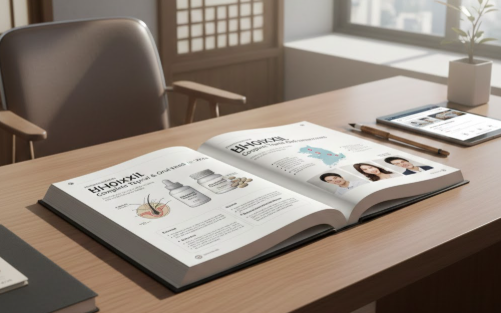
Minoxidil is one of the most widely used and clinically proven treatments for androgenetic alopecia (AGA) in Korea. Available in both topical and oral formulations, Minoxidil works by stimulating hair follicles, increasing blood flow to the scalp, and prolonging the anagen (growth) phase of hair.
Korean clinics offer personalized treatment plans combining topical and oral Minoxidil, often integrated with other therapies such as PRP injections, laser therapy, or Dutasteride, to maximize hair regrowth outcomes for local and international patients.
Purpose & Benefits
The purpose of Minoxidil treatment is to:
- Promote hair regrowth in thinning areas
- Strengthen hair shafts and increase hair density
- Prevent further hair loss and slow progression of AGA
- Enhance the effectiveness of combination therapies with Dutasteride or PRP
Benefits of Minoxidil therapy include:
- Non-invasive and relatively easy to use
- Effective for both men and women with androgenetic hair loss
- Can be combined with other therapies for faster and more robust results
- Safe when administered under supervision at Korean clinics
Ideal Candidates
Minoxidil treatment is suitable for:
- Individuals with early to moderate androgenetic alopecia
- Men and women experiencing thinning hair on the crown or frontal scalp
- Patients looking for non-surgical treatment options
- Individuals who want to combine therapies for enhanced regrowth
- Medical tourists seeking safe, monitored hair restoration solutions in Korea
Possible Risks & Complications
Although generally safe, Minoxidil therapy can have side effects:
- Scalp irritation: Redness, itching, or dryness with topical use
- Initial hair shedding: Temporary shedding in the first few months as follicles renew
- Systemic effects: Rare with topical use; more common with oral Minoxidil (e.g., dizziness, low blood pressure)
- Allergic reactions: Extremely rare but possible with both oral and topical formulations
Korean clinics minimize these risks through patient evaluation, proper dosing, and ongoing monitoring.
Techniques & Technology Used
Leading clinics in Korea utilize advanced techniques to enhance Minoxidil therapy:
- Digital Scalp Analysis: Tracks hair density and follicle activity over time
- Trichoscopy: High-resolution imaging for precise evaluation of follicle health
- Hormonal and Blood Testing: Ensures systemic safety for oral Minoxidil
- Combination Therapy: Integrates Minoxidil with PRP injections, laser therapy, or Dutasteride
- Telemedicine & Remote Monitoring: Supports follow-up care for medical tourists
- AI-Assisted Progress Tracking: Provides predictive insights and helps optimize therapy duration
These methods improve treatment precision, safety, and overall effectiveness.
Treatment Process in Korea
- Consultation & Assessment: Hair and scalp evaluation, medical history, and suitability check
- Baseline Testing: Blood work and hormonal tests for safety (especially for oral Minoxidil)
- Treatment Planning: Personalized dosing for topical and/or oral Minoxidil
- Initiation: First administration supervised; patients trained on proper topical application
- Regular Follow-Up: Monitoring hair density and evaluating side effects every 1–3 months
- Combination Therapy: Optional integration with PRP, laser therapy, or Dutasteride for enhanced results
- Maintenance: Continuous therapy as per dermatologist recommendation to sustain hair growth
Recovery & After-Care
Recovery from Minoxidil therapy is generally straightforward, but proper aftercare ensures optimal outcomes:
- Apply topical Minoxidil consistently at recommended times
- Take oral Minoxidil exactly as prescribed, avoiding missed doses
- Avoid harsh hair products or excessive heat styling
- Maintain a healthy diet and lifestyle to support hair health
- Report any side effects to the dermatologist promptly
- Continue follow-up visits to monitor progress and adjust therapy as needed
Results & Longevity
- 3–6 months: Early signs of regrowth and reduction in hair shedding
- 6–9 months: Noticeable improvement in hair density and thickness
- 9–12 months: Significant coverage of thinning areas, especially the crown and frontal scalp
- Long-term: Sustained therapy helps maintain hair density and prevent further hair loss
Korean clinics’ structured follow-ups and combination therapy options ensure lasting results.
Why Korea Is a Top Destination for Minoxidil Therapy
- Expert Dermatologists: Specialists in hair restoration with extensive experience in Minoxidil therapy
- Advanced Diagnostic Tools: Digital imaging, trichoscopy, and AI-assisted monitoring
- Combination Therapy Expertise: Integration of Minoxidil with PRP, Dutasteride, or laser therapy for superior outcomes
- Medical Tourism Support: Language assistance, telemedicine follow-ups, and accommodation guidance for international patients
- Safe and Structured Protocols: Clinics follow evidence-based protocols with personalized care plans
These factors make Korea a preferred destination for both local and international patients seeking hair regrowth solutions.
Cost Range
- Initial Consultation & Testing: ₩50,000–₩150,000
- Topical Minoxidil (1-month supply): ₩30,000–₩70,000
- Oral Minoxidil (1-month supply): ₩50,000–₩100,000
- Combination Therapy Packages (PRP, Laser, Dutasteride): ₩400,000–₩1,200,000
- Follow-Up Visits: ₩20,000–₩50,000 per visit
Costs vary depending on clinic, therapy type, and inclusion of adjunct treatments.
Popular Clinics in Korea for Minoxidil Therapy
- Dr. FORHAIR Clinic: Offers personalized Minoxidil regimens and combination therapies
- Wonjin Dermatology Center: Advanced monitoring and integrated treatment plans
- MODE A Hair Loss Clinic: AI-assisted therapy tracking for optimized results
- Seoul Skin & Hair Clinics: Specialized programs for medical tourists
- Jivaka Hair Restoration Clinic: Comprehensive hair restoration with topical and oral Minoxidil options
These clinics provide safe, effective, and well-monitored hair restoration solutions for patients in Korea.