
Treatment Overview
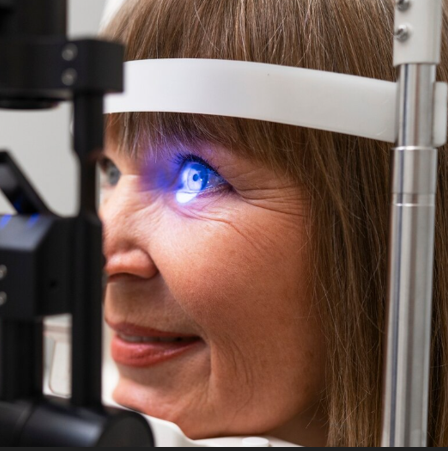
Mirae BioCross System (CXL) in Korea is an advanced, non-invasive corneal strengthening treatment that effectively stabilizes and reinforces the cornea in patients with keratoconus, corneal ectasia, or progressive corneal thinning. This innovative therapy uses a combination of riboflavin (vitamin B2) and precisely calibrated ultraviolet-A (UV-A) light exposure to create new collagen cross-links within the corneal tissue, enhancing its biomechanical rigidity and preserving natural vision.
Unlike traditional surgical procedures, Mirae BioCross System is a flap-free, surface-based technique that strengthens the cornea naturally without reshaping or removing tissue. Korean ophthalmology centers have refined this approach using AI-controlled UV mapping, oxygen-enhanced cross-linking, and regenerative biologic healing protocols, ensuring unparalleled safety, precision, and long-term stability.
Mirae BioCross System in Korea represents the future of corneal medicine — integrating optical precision, biological healing, and Korean technological innovation for superior visual preservation.
Purpose & Benefits
Purpose
- Halt the progression of keratoconus, post-LASIK ectasia, and other corneal weakening disorders.
- Reinforce corneal structure for improved stability and visual clarity.
- Prevent or delay corneal transplantation.
- Enhance biomechanical integrity before or after refractive surgery.
Benefits
- Permanent Structural Strengthening: Builds new collagen bonds that maintain corneal rigidity for life.
- Vision Preservation: Prevents further thinning or irregular corneal shape.
- AI-Calibrated UV Precision: Custom UV exposure tailored to each patient’s corneal thickness and curvature.
- Oxygen-Enhanced Activation: Improves collagen bonding efficiency and treatment speed.
- Non-Invasive & Painless: No cutting, flaps, or mechanical contact.
- Fast Recovery: Reduced discomfort and rapid healing phase.
Ideal Candidates
Mirae BioCross System in Korea is ideal for:
- Patients diagnosed with keratoconus, post-LASIK ectasia, or progressive corneal thinning.
- Individuals with irregular astigmatism caused by corneal instability.
- Young adults in early stages of keratoconus progression.
- Patients seeking preventive corneal strengthening prior to vision correction procedures.
Possible Risks & Complications
Mirae BioCross System is a clinically safe and well-established procedure, though minor and temporary side effects may occur:
- Light Sensitivity: Common during early healing; improves in a few days.
- Mild Discomfort or Dryness: Easily managed with lubricating drops.
- Temporary Haze or Blurriness: Normal during surface regeneration; clears naturally.
- Inflammation: Controlled with prescribed anti-inflammatory medication.
- Rare Infection: Prevented through sterile environments and antibiotic protection.
Korean ophthalmologists minimize all risks using real-time UV tracking, AI-calibrated light exposure, and biologic recovery systems, ensuring precise and comfortable treatment.
Techniques & Technology Used
Core Techniques
- Epithelium-Off (Epi-Off) Cross-Linking: Deep corneal strengthening for advanced keratoconus.
- Transepithelial (Epi-On) Cross-Linking: Surface-preserving, non-invasive approach with faster recovery.
- AI-Calibrated UV Mapping: Optimizes energy exposure per corneal profile.
- Riboflavin Saturation Technology: Ensures uniform corneal absorption and activation.
- Oxygen-Enhanced Cross-Linking: Improves molecular bonding and depth of effect.
- Regenerative Biologic Healing: Accelerates epithelial restoration and patient comfort.
These techniques make Mirae BioCross System one of Korea’s most advanced and biologically integrated corneal cross-linking platforms.
Treatment Process in Korea
Step-by-Step Workflow
- Comprehensive Eye Examination:
Includes corneal topography, pachymetry, and biomechanical analysis to determine suitability. - Riboflavin Application:
Riboflavin solution is applied to the corneal surface for absorption. - UV Light Exposure:
Controlled UV-A light activates riboflavin, creating new collagen cross-links. - Oxygen-Enhanced Process:
Increases bonding strength and ensures effective corneal stabilization. - Protective Bandage Lens:
A soft contact lens is placed to protect the cornea during recovery.
Procedure Duration: 30–45 minutes per eye
Recovery Period: Functional vision typically restored in 3–5 days; full stabilization achieved within 4–8 weeks.
Recovery & After-Care
After-Care Guidelines
- Use antibiotic, anti-inflammatory, and lubricating drops as prescribed.
- Avoid rubbing or touching your eyes for at least one week.
- Wear UV-protective sunglasses when outdoors.
- Avoid swimming, saunas, or strenuous activities for two weeks.
- Attend all follow-up appointments to monitor corneal healing.
Recovery Timeline
- Days 1–3: Mild irritation or dryness; epithelial regeneration begins.
- Week 1: Vision improves gradually; light sensitivity decreases.
- Weeks 2–4: Corneal structure strengthens; clarity improves further.
- 1–3 Months: Full cross-linking effect achieved with long-term stability.
Results & Longevity
Expected Results
- Permanent stabilization of keratoconus and corneal ectasia.
- Stronger and smoother corneal structure.
- Reduced irregular astigmatism and optical distortion.
- Long-term preservation of natural vision quality.
Longevity
Mirae BioCross System delivers lifelong corneal reinforcement, maintaining biomechanical stability and clear vision for decades. Korean ophthalmology centers report success rates over 95%, ensuring reliable, lasting results and high patient satisfaction.
Why Korea Is a Top Destination
Korea is globally recognized for excellence in corneal cross-linking and vision restoration, offering world-class technology and medical expertise.
- AI-Controlled Cross-Linking Systems: Ensure precise, personalized treatment.
- Expert Corneal Surgeons: Skilled in Epi-On and Epi-Off CXL procedures.
- Oxygen-Enhanced Platforms: Boost collagen bonding and healing performance.
- Regenerative Recovery Programs: Speed up healing and improve post-treatment comfort.
- Comprehensive Vision Care: Full-service diagnostics, treatment, and long-term follow-up.
- Global-Standard Excellence: High safety and success rates at accessible costs.
Unique Korean Methods & Technology
- AI-Calibrated UV Light Delivery System
- Transepithelial (Epi-On) Cross-Linking Platform
- Oxygen-Enhanced Riboflavin Activation
- Cooling-Control UV Exposure Technology
- Real-Time Corneal Biomechanical Monitoring
- Regenerative Biologic Healing Integration
These advanced techniques make Mirae BioCross System in Korea one of the safest, most precise, and biologically advanced corneal cross-linking treatments available worldwide.
Cost Range
| Treatment Package | Price (KRW) | Approx. USD | Inclusions |
|---|---|---|---|
| Standard CXL (Epi-Off) | ₩1,500,000 – ₩2,500,000 per eye | ~$1,100 – $1,900 | Conventional riboflavin and UV-A cross-linking |
| Transepithelial (Epi-On) CXL | ₩2,800,000 – ₩3,800,000 per eye | ~$2,000 – $2,700 | Non-invasive, oxygen-assisted, AI-guided cross-linking |
| Mirae Premium BioCross Program | ₩4,000,000 – ₩5,500,000+ per eye | ~$2,800 – $3,900+ | AI-calibrated mapping, regenerative healing, and extended after-care package |
Pricing may vary depending on corneal condition, clinic technology, and surgeon expertise.
Popular Clinics in Korea
- Mirae Eye Center (Seoul): Specialized in AI-guided cross-linking and biologic healing systems.
- B&VIIT Eye Clinic (Gangnam): Expert in oxygen-enhanced keratoconus treatment and recovery care.
- Dream Eye Center (Seoul): Offers advanced Epi-On cross-linking with regenerative therapy.
- BGN Eye Clinic (Busan & Seoul): Focuses on precision corneal reinforcement and long-term stability.
- Glory Seoul Eye Clinic: Renowned for biologic and regenerative corneal recovery programs.


