
Treatment Overview
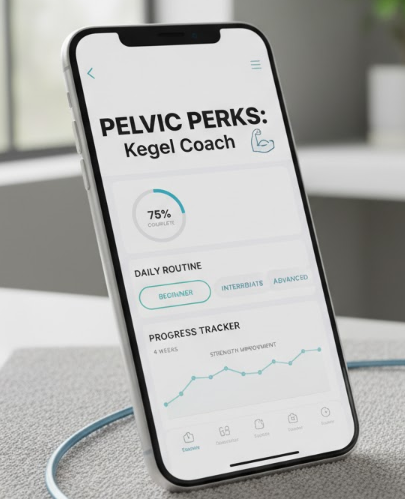
The Mobile-App Guided Kegel Trainer in Korea falls under the specialist field of women’s health / OBGYN and pelvic floor & urogynecology, focusing on device-assisted Kegel (pelvic floor muscle) training via a smartphone or tablet application. These systems often pair a mobile app with internal or external pelvic floor sensors or probes to provide guided exercise routines, real-time feedback, progress tracking, reminders and motivational features. In Korean women’s health clinics and pelvic floor physical therapy centres, these smart Kegel trainers are integrated into broader rehabilitation programmes to improve muscle activation, coordination and functional outcomes.
Purpose & Benefits
The primary purpose of the mobile-app guided Kegel trainer is to enhance the effectiveness of Kegel exercises by increasing accuracy of muscle contraction, improving neuromuscular awareness, boosting consistency of training and providing measurable feedback. The benefits include:
- Improved pelvic floor muscle strength and endurance
- Better coordination between pelvic floor, core and posture muscles
- Enhanced bladder and bowel control (reducing incontinence episodes)
- Greater consistency and motivation through device reminders and tracking
- Optimised rehabilitation outcomes for postpartum women, women after pelvic floor surgery, menopause-related pelvic floor weakness or incontinence
In the Korean clinical context, these devices are seen as a valuable adjunct to supervised physical therapy and as a home-training bridge to maintain gains.
Ideal Candidates
Ideal candidates for mobile-app guided Kegel trainer programmes include women who:
- Are experiencing urinary leakage (stress, urge or mixed) or early signs of pelvic floor weakness
- Have undergone childbirth or pelvic/urogynecologic surgery and need structured pelvic floor rehabilitation
- Have tried conventional Kegel exercises but struggle with correct muscle activation, feedback or motivation
- Are looking for home-based, tech-supported training that complements their clinic-based pelvic floor physical therapy
- Want to track their progress and integrate pelvic floor exercise into their lifestyle with guidance and oversight
Possible Risks & Complications
While these devices and apps are generally low-risk, some considerations include:
- Mild muscle soreness or fatigue as previously under-used pelvic floor muscles become active
- Incorrect muscle recruitment (for example gluteal or hip muscles instead of pelvic floor) if device is used without proper training or supervision
- Dependence on the device/app without addressing underlying structural issues (like significant prolapse, ligament damage) may delay optimal care
- Privacy or data-security concerns related to mobile-app tracking of intimate health data
- The device/app should be used as adjunct to, not replacement of, professional assessment and pelvic floor physical therapy
System Features & Integration
Typical mobile-app guided Kegel trainer systems in Korea will feature:
- A compatible mobile application (iOS/Android) with guided routines (beginner → advanced), reminders, performance tracking and visual/tactile feedback.
- A sensor or probe (internal vaginal device or external belt/pad) that connects to the app via Bluetooth or wired connection, to monitor muscle contractions or pressure changes.
- Gamified or interactive training modules (e.g., virtual games where pelvic contractions control visual elements) to enhance engagement.
- Integration into clinic-based sessions: initial assessment and device use under supervision in the clinic, followed by home-training with the device/app, and periodic reassessment by the pelvic floor physical therapist.
- Data export or share-with-therapist features so that the therapist can monitor home compliance and progress and adjust the rehabilitation plan accordingly.
Recovery & Aftercare
Treatment via the mobile-app guided Kegel trainer typically begins with a clinical assessment in a women’s health or pelvic floor rehabilitation setting: pelvic floor muscle strength, coordination, posture/movement, voiding/bladder habits. Then the device programme is introduced: supervised usage with the app for several weeks (e.g., 1-2 sessions per week for 4-8 weeks) within the clinic, followed by home-based device/app training (e.g., daily or several times per week). Aftercare involves continuing pelvic floor and core/posture exercises, monitoring via the app, lifestyle counselling (lifting mechanics, bladder/bowel habits), periodic clinic check-ins to ensure correct technique and maintenance. Long-term maintenance may involve lower-frequency device use, periodic reassessment and updating of exercise difficulty via the app.
Results & Longevity
When correctly used and integrated into a structured rehabilitation programme, mobile-app guided Kegel trainers deliver measurable improvements in pelvic floor muscle strength, better bladder/bowel control, improved functional movement (lifting, exercising, daily tasks), and higher patient engagement and adherence. The longevity of results depends on: the severity of initial pelvic floor dysfunction, the patient’s adherence to the home-training programme, lifestyle factors (weight, heavy lifting, chronic coughing), and whether underlying structural issues have been addressed. Clinics in Korea highlight the importance of follow-up, monitoring via the app data, and periodic booster sessions to preserve gains over time.
Cost Range
While specific device-only pricing can vary and clinics may bundle app/device training into broader therapy programmes, estimated cost ranges in Korea include:
- Initial assessment and supervised device session: approximately ₩ 50,000 to ₩ 100,000 (roughly USD 40-75)
- Per supervised device-training session using the mobile-app guided system: around ₩ 70,000 to ₩ 150,000 (USD 50-110)
- Home-device purchase (if required) may add extra cost; many smart trainers internationally cost in the range USD 100-300 (~₩ 140,000-₩ 420,000)
- Package programmes (e.g., 8-10 supervised sessions + home-device/compliance monitoring): approximately ₩ 560,000 to ₩ 1,200,000 (USD 415-900)
Additional costs may include diagnostics, clinic follow-up, international-patient services or translation/liaison fees.
Best Clinics in Korea
Some of the leading clinics in Korea offering pelvic-floor physical therapy programmes that integrate mobile-app guided Kegel trainer devices under women’s health / urogynecology include:
- Gangnam J Urology Clinic (Seoul, Gangnam District) – A female pelvic-floor dysfunction centre offering technology-enabled Kegel training and device-assisted programmes.
- Sinsoe Women’s Clinic (Seoul, Gangnam District) – A women’s health clinic providing guided Kegel device/app programmes, especially for postpartum recovery and pelvic floor rehab, with English-friendly services.
- Yoonho OB/GYN Hospital (Seoul, Gangnam District) – A women’s health hospital offering multidisciplinary care including pelvic floor physical therapy, device-assisted Kegel programmes and support for international patients.


