
Treatment Overview
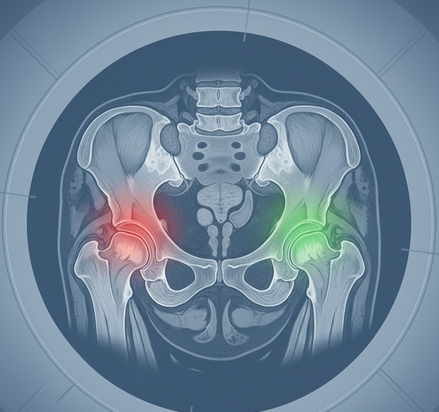
The MRI-Based Pelvic Organ Dysfunction Analysis in Korea is an advanced diagnostic imaging procedure that provides a highly detailed, three-dimensional view of the pelvic anatomy. It is designed to evaluate organ alignment, connective tissue integrity, and muscle function, particularly in women affected by pelvic organ prolapse, urinary incontinence, or pelvic floor weakness related to menopause.
Using magnetic resonance imaging (MRI), Korean specialists can assess structural dysfunctions that traditional ultrasound or manual exams may not fully reveal. This allows for precise diagnosis, treatment planning, and long-term management of pelvic health issues with minimal discomfort and maximum accuracy.
Purpose & Benefits
The purpose of the MRI-Based Pelvic Organ Dysfunction Analysis is to detect the location, severity, and type of pelvic organ prolapse while evaluating how muscles, ligaments, and fascia support the organs. It also helps identify secondary factors—such as hormonal decline or tissue laxity—that influence pelvic stability.
Key benefits include:
- Clear visualization of pelvic organs and their interactions.
- Accurate diagnosis of prolapse affecting the bladder, uterus, or rectum.
- Detection of connective tissue weakness and muscular dysfunction.
- Guidance for surgical and non-surgical treatment planning.
- Safe, non-invasive, and radiation-free imaging option.
- Improved outcomes for women undergoing pelvic organ repair or rehabilitation.
This comprehensive imaging method ensures that treatment plans are individualized, precise, and aligned with each patient’s unique anatomical structure.
Ideal Candidates
This MRI-based analysis is ideal for women who:
- Have symptoms of pelvic organ prolapse such as pressure, bulging, or discomfort.
- Experience urinary leakage, constipation, or incomplete emptying.
- Are postmenopausal and experiencing tissue laxity or hormonal decline.
- Have had prior pelvic or abdominal surgeries.
- Are planning pelvic reconstructive or laparoscopic repair procedures.
- Seek a thorough evaluation to identify underlying pelvic dysfunction before treatment.
It is also beneficial for patients with recurrent prolapse or persistent pelvic floor issues after previous therapies.
Possible Risks & Complications
MRI imaging is extremely safe and non-invasive. It does not use radiation and has no lasting side effects. Patients with certain metal implants or pacemakers may need to consult their physician before undergoing the scan. Mild claustrophobia or temporary warmth from the MRI scanner may occur but is well-managed with patient comfort measures.
Techniques Used
Korean women’s health clinics use state-of-the-art imaging systems and advanced analytical methods for detailed pelvic assessment:
- Dynamic Pelvic MRI: Captures organ movement and alignment during rest, contraction, and straining for functional analysis.
- 3D Image Reconstruction: Creates high-resolution anatomical maps of pelvic organs and support structures.
- Tissue and Ligament Integrity Evaluation: Assesses collagen density, elasticity, and hormone-related degeneration.
- Functional Flow Analysis: Measures blood circulation and tissue vitality in the pelvic area.
- Combined Hormonal and Muscular Assessment: Identifies the impact of menopause and hormonal decline on structural stability.
Korean radiologists and urogynecologists interpret these findings collaboratively to create an integrative treatment plan that aligns medical imaging with hormonal and sexual health restoration.
Recovery & Aftercare
No recovery time is required after the MRI scan. Patients can resume daily activities immediately. After the analysis, results are reviewed in detail by a gynecologist or urogynecologist, who will recommend an individualized management plan. This may include pelvic rehabilitation, hormonal therapy, or surgical consultation depending on the diagnosis. Follow-up imaging may be scheduled for patients undergoing treatment or recovery from prolapse repair.
Results & Longevity
Results from the MRI analysis are typically available within 24–48 hours. The imaging provides long-term diagnostic insight that can be used for surgical planning, treatment tracking, and preventive care. Because MRI scans capture fine structural detail, they offer a permanent baseline for future comparisons, ensuring continuity in women’s pelvic and hormonal health management.
Treatment Process in Korea
In Korea, the process begins with a private consultation to discuss symptoms and medical history, followed by a brief preparation for the MRI scan. The procedure lasts about 30–45 minutes and is performed in a comfortable, patient-centered environment. After the scan, results are analyzed by radiologists and women’s health specialists who create a customized treatment roadmap.
Korean clinics are internationally recognized for their precision diagnostics, advanced imaging equipment, and integration of modern medical technology with compassionate, personalized care. This makes Korea a leading destination for pelvic organ dysfunction and prolapse evaluations.
Cost Range
The cost of an MRI-Based Pelvic Organ Dysfunction Analysis in Korea depends on the clinic, imaging depth, and any additional hormonal or functional assessments included. Typically, the cost ranges from ₩600,000 to ₩1,200,000 KRW (approximately $450–$900 USD). Full diagnostic packages that include 3D imaging, hormonal testing, and specialist consultations range from ₩1,500,000 to ₩3,000,000 KRW (around $1,100–$2,200 USD).
Popular Clinics
- Daehan Women’s Health Center: Specializes in MRI-based prolapse diagnostics with integrated hormonal and surgical planning.
- Cheongdam Premier Clinic: Offers advanced 3D MRI imaging combined with pelvic function and hormone assessments.
- Chaum Wellness Center: Provides luxury-level women’s diagnostic care and long-term pelvic recovery programs.
- Banobagi Women’s Clinic: Known for precise MRI imaging and individualized pelvic reconstruction planning.


