
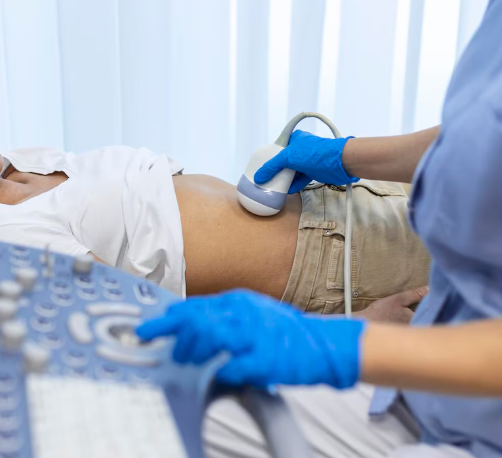
Treatment Overview
Myofascial Pelvic Release Therapy is a specialised hands-on rehabilitative approach focused on releasing tension, adhesions and restrictions in the fascia (connective tissue) surrounding the pelvic floor muscles, ligaments and pelvic organs. In Korea, this therapy is offered as part of advanced pelvic floor physical therapy programmes within women’s health or urogynecologic clinics. The treatment typically includes manual myofascial work (both internal and external), soft-tissue mobilisation, trigger-point release, fascial stretching, and integration with pelvic floor muscle training, posture/movement retraining and breathing/core stability exercises.
Purpose & Benefits
The purpose of myofascial release in the pelvic region is to restore mobility and flexibility of the fascial networks so that pelvic floor muscles, ligaments and organs can move and function optimally. The benefits include reduced pelvic and lower-back/hip pain resulting from fascial restrictions, improved coordination and strength of the pelvic floor muscles (because they are no longer constrained by tight fascia), improved pelvic organ support (by allowing better alignment and movement), reduced pelvic heaviness or pressure, improved functional movement (lifting, bending, carrying) and enhanced recovery after childbirth or surgery by addressing scar tissue or fascial stiffness. In the Korean setting, this therapy is valued as a complementary step alongside core/pelvic muscle retraining for long-term improvement.
Ideal Candidates
This therapy is ideal for women who experience persistent pelvic floor dysfunction symptoms where fascial restrictions may be contributing – for example, those with pelvic pain (including post-surgical scar pain), women post-childbirth who have fascial tightness, diastasis, or scar tissue, individuals with repeated complaints of pelvic heaviness, hip/back pain linked to pelvic floor issues, women whose pelvic floor training alone hasn’t resolved low-level symptoms, and those who wish to address structural/soft-tissue contributors (rather than just muscle strength). It is also valuable for women undergoing rehabilitation after surgery for pelvic floor or organ support who need soft-tissue conditioning in addition to muscle training.
Possible Risks & Complications
Since this is a manual, non-invasive therapy, risks are minimal but worth noting. Some patients may experience temporary soreness, increased awareness of movement constraints, mild bruising if deeper release is done, or transient emotional/physical “release” sensations as deep fascia adjusts. If the therapy is applied too aggressively, or too soon after surgery/delivery without clearance, there is a risk of tissue irritation or delayed healing. If underlying structural pathologies (e.g., major pelvic organ prolapse, pelvic masses) are present but not addressed, relying solely on this therapy may delay needed surgical evaluation. It’s important that the therapist has expertise in pelvic floor/urogynecologic rehabilitation and coordinates with the gynecologist or urogynecologist.
Surgical Techniques Used
While Myofascial Pelvic Release Therapy itself is non-surgical, in Korea it is often integrated into a broader care pathway that may involve surgery when structural issues exist. For example, structural repair surgeries for pelvic organ prolapse or incontinence may involve ligament fixation, fascial repairs, or mesh/graft reinforcement. After such surgeries, myofascial release plays a role in helping soft-tissue mobility, scar-tissue management, and functional rehabilitation of the pelvic floor and surrounding tissues. Thus, the surgical techniques are those typical of pelvic floor reconstruction, and the fascia-release therapy supports the post-operative phase rather than replacing the surgery.
Recovery & Aftercare
Recovery from myofascial pelvic release therapy is straightforward, with typically no required downtime beyond mild post-session soreness. Patients usually attend therapy 1–2 times per week for several weeks (often 4-8) and transition into home-based fascial mobility exercises, posture and movement corrections, pelvic floor muscle training and lifestyle rehabilitation (such as how to lift, carry, sit/stand with proper alignment). After surgery, therapy begins once medically cleared and includes gradual reintroduction of movement, fascial release, posture/core stability and avoidance of heavy strain until soft tissues have adapted. Maintenance programmes (e.g., monthly check-in sessions) are often advised to sustain mobility and functional improvements.
Results & Longevity
When properly delivered and integrated into a broader pelvic floor rehabilitation plan, myofascial pelvic release therapy yields improvements in pelvic comfort, movement quality, pelvic floor activation, posture and functional daily activity (such as lifting, carrying children, bending) and can reduce the recurrence of symptoms like pelvic heaviness or low-back pain. Longevity of results depends on adherence to home exercise, avoiding high-strain loads, maintaining posture/core health, and ensuring structural pelvic support is addressed (muscles, ligaments, fascia). In Korean clinics, this therapy is often coupled with post-treatment maintenance and periodic reassessment to preserve gains long-term.
Treatment Process in Korea
In Korea, the process typically begins with a comprehensive assessment in a women’s health or urogynecology clinic: medical and obstetric/surgical history, pelvic floor muscle evaluation, posture/movement assessment, soft-tissue/fascial mobility screening (pelvis, hips, lumbar spine) and identification of scar tissue or restrictions. A customised therapy plan is developed: manual myofascial release of pelvic floor fascia and surrounding ligaments, both externally (hips, gluteals, lower back) and internally (as appropriate), guided pelvic floor muscle training, core and posture stability work, breathing mechanics, functional movement training (lifting, carrying) and lifestyle education. Sessions are carried out with certified pelvic floor physiotherapists and sometimes manual therapists, in multidisciplinary clinics. Korean clinics are noted for integrating advanced manual techniques, combining fascia work with pelvic floor rehab and supporting international patients with high-quality care pathways.
Cost Range
The cost of myofascial pelvic release therapy in Korea varies depending on clinic, depth of manual work, number of sessions and inclusion of diagnostics. An initial consultation and assessment may cost approximately ₩ 50,000 to ₩ 100,000 (around USD 40-75). Each manual therapy session may cost around ₩ 70,000 to ₩ 150,000 (USD 50-110). Packages of multiple sessions (for example 8–10 sessions) may range from roughly ₩ 560,000 to ₩ 1,200,000 (USD 415-900). Additional diagnostics (mobility scans, soft-tissue imaging) or adjunct therapies may add to the total cost.


