
Treatment Overview
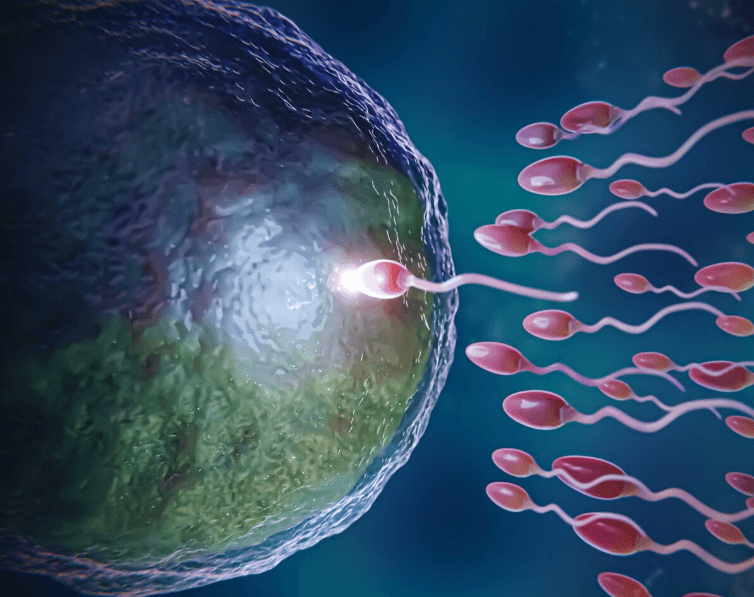
Natural Cycle IVF is a gentler, medication-minimized approach to in vitro fertilization that relies on the woman’s natural menstrual cycle to retrieve one naturally matured egg. In Korea, this technique is often used alongside Donor Egg IVF or for patients who prefer minimal hormonal stimulation.
Korean fertility clinics specialize in this approach using AI-driven ovulation tracking, ultra-sensitive ultrasound monitoring, and precision timing systems to optimize egg retrieval and fertilization. This makes Korea a preferred destination for patients seeking a natural, holistic fertility treatment with advanced reproductive technology.
Purpose & Benefits
The primary goal of Natural Cycle IVF is to achieve pregnancy with minimal medical intervention, utilizing the body’s own rhythm. For donor egg cycles, it helps align the recipient’s uterus naturally for embryo transfer.
Key benefits include:
- No or minimal hormonal stimulation, reducing physical strain.
- Lower cost and fewer side effects compared to conventional IVF.
- No risk of ovarian hyperstimulation syndrome (OHSS).
- Better endometrial receptivity and improved uterine health.
- More natural hormonal balance, which can enhance implantation success in donor egg transfers.
Korean fertility specialists often combine Natural Cycle IVF with advanced embryo monitoring and luteal phase optimization to achieve high pregnancy success rates with minimal medication.
Ideal Candidates
Natural Cycle IVF is ideal for:
- Women seeking a less invasive, low-medication fertility treatment.
- Recipients undergoing Donor Egg IVF, where the uterus must be naturally prepared for embryo transfer.
- Women with sensitivity to fertility drugs or hormonal imbalances.
- Patients with normal ovulation cycles and good overall reproductive health.
- Individuals who prefer eco-fertility approaches or are looking for a holistic fertility path.
It is also a great option for international patients seeking a shorter, gentler fertility journey in Korea.
Possible Risks & Complications
Natural Cycle IVF carries very few risks compared to conventional IVF. However, some potential issues include:
- Cycle cancellation if ovulation occurs before egg retrieval.
- Lower egg yield, as only one egg is retrieved per cycle.
- Timing sensitivity, requiring precise monitoring.
- Emotional stress if multiple cycles are needed.
Korean fertility centers use real-time hormonal tracking and ultrasound to prevent premature ovulation and ensure accurate egg collection timing, minimizing such risks.
Surgical Techniques Used
Korea’s fertility clinics integrate advanced non-stimulatory IVF technologies and precision lab protocols, including:
- Natural Ovulation Tracking: Using AI-based prediction models to determine optimal egg retrieval time.
- Ultrasound-Guided Egg Retrieval: Minimally invasive and pain-free procedure under light sedation.
- ICSI (Intracytoplasmic Sperm Injection): Used to fertilize the retrieved egg with sperm for higher success.
- Blastocyst Culture: Culturing embryos for 5–6 days to select the strongest one.
- Vitrification: Advanced freezing techniques for embryos not immediately transferred.
- Hormone-Supported Luteal Phase: Gentle support for implantation stability.
These methods ensure the highest embryo quality while preserving the patient’s natural physiological balance.
Recovery & Aftercare
Recovery after Natural Cycle IVF is quick, as it involves little to no hormone injections and minimal surgical intervention. Most patients can return to normal activities within a day.
Aftercare includes:
- Gentle hormonal support (progesterone or estrogen) for endometrial preparation.
- Regular checkups to confirm implantation.
- Emotional counseling and nutritional advice to support natural fertility balance.
- Continued luteal phase care to sustain early pregnancy.
Korean clinics emphasize a holistic recovery approach, often incorporating relaxation therapies, acupuncture, and personalized nutrition plans.
Results & Longevity
Although Natural Cycle IVF typically produces fewer embryos, the quality of the retrieved eggs is often excellent, leading to strong implantation potential.
Success rates in Korea:
- 30–50% per cycle for women under 38.
- 60–75% when combined with Donor Egg IVF.
The long-term outcomes are favorable, with lower risks of hormonal side effects and healthier pregnancy progression due to the body’s natural hormonal state.
Treatment Process in Korea
Korea’s Natural Cycle IVF for Donor Egg programs follow a highly structured, precision-based approach:
- Initial Consultation & Cycle Monitoring – Natural hormonal levels and ovulation patterns are tracked.
- Donor Egg Fertilization (if applicable) – Donor eggs are fertilized with sperm in a controlled lab environment.
- Natural Ovulation Tracking – Advanced AI and blood hormone testing determine optimal timing.
- Egg Retrieval (if patient’s egg used) – Performed without high-dose stimulation.
- Embryo Transfer – Healthy embryo transferred at peak endometrial receptivity.
- Luteal Phase Support – Progesterone therapy to maintain a receptive uterine environment.
- Pregnancy Confirmation – Follow-up ultrasound and hormonal check 10–14 days after transfer.
Korean clinics leverage AI-guided fertility systems, genetic testing, and integrated uterine receptivity analysis to deliver safe, successful, and natural fertility outcomes.
Cost Range
The cost of Natural Cycle IVF in Korea varies based on the inclusion of donor eggs and genetic testing.
- Standard Natural IVF Cycle: USD 4,000 – 7,000
- Natural Cycle with Donor Egg IVF: USD 14,000 – 25,000
- Optional Add-ons: Genetic testing (USD 3,000–5,000), embryo freezing (USD 1,000–2,000).
Even with advanced technology and superior success rates, Korea offers cost-effective fertility care, often 30–50% cheaper than the U.S. or Europe.
Popular Clinics
- CHA Fertility Center (Seoul): Global leader in Natural and Minimal Stimulation IVF with AI hormone mapping.
- Maria Fertility Hospital: Offers natural and donor egg IVF programs emphasizing patient comfort and safety.
- MizMedi Women’s Hospital: Specializes in international-friendly natural IVF and egg donation coordination.
- GynART Reproductive Center: Known for personalized natural IVF cycles with AI-based monitoring.
- Seoul National University Hospital – Fertility Department: Provides research-backed, low-stimulation IVF and donor integration programs.


