
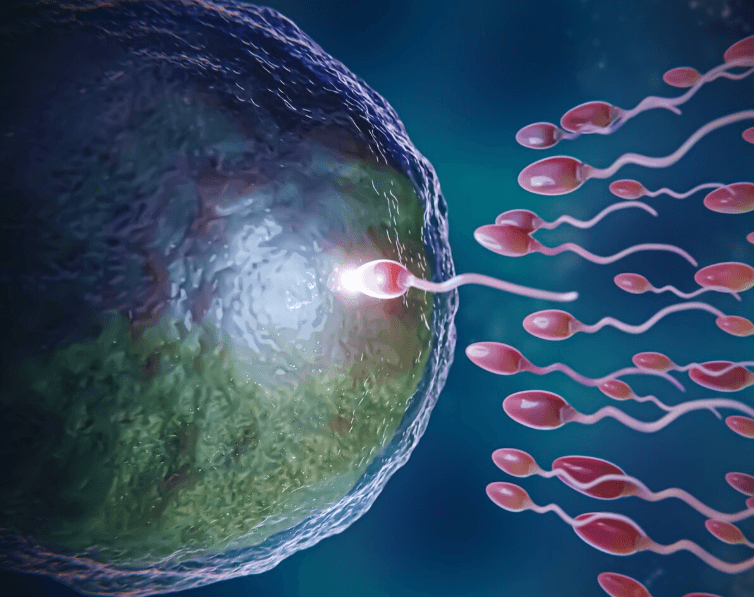
Treatment Overview
Natural Cycle Oocyte Banking in Korea is an advanced fertility preservation technique that allows women to freeze their eggs without the use of hormone stimulation medications. Instead of inducing multiple egg growth through injections, this approach collects the one naturally selected, mature egg produced during a woman’s menstrual cycle.
Korean fertility centers have perfected this method by integrating AI-assisted ovulation tracking, ultrasound-guided retrieval, and ultra-rapid vitrification (flash freezing) to ensure the highest possible quality and survival rate of naturally matured eggs.
This approach reflects a gentle, medication-free, and biologically natural process — ideal for women who value minimal intervention, prefer organic cycle alignment, or have medical contraindications to hormonal stimulation.
Purpose & Benefits
The primary purpose of Natural Cycle Oocyte Banking is to preserve fertility naturally by freezing eggs from a woman’s spontaneous ovulation cycle, without disrupting her hormonal balance. It provides an option for women who desire a low-impact, safe, and natural fertility preservation method.
Key benefits include:
- No fertility medications required: Completely hormone-free and natural.
- No side effects or overstimulation: Avoids hormonal discomfort and risks.
- Preserves natural ovulation rhythm: Synchronizes with the body’s normal reproductive cycle.
- Suitable for medically sensitive patients: Ideal for those who cannot tolerate fertility drugs.
- Maintains egg quality: Collects naturally matured oocytes of high biological integrity.
- Lower treatment cost: Reduces expenses related to medication and monitoring.
- Repeatable cycles: Allows multiple natural egg collections over time for cumulative banking.
In Korea, the process is supported by precision monitoring technologies, ensuring eggs are retrieved at the exact moment of natural maturation, maximizing success potential.
Ideal Candidates
Natural Cycle Oocyte Banking in Korea is ideal for women who prefer or medically require a natural, hormone-free approach to fertility preservation.
Ideal candidates include:
- Women under 35 years old with a healthy ovarian reserve.
- Patients who are sensitive or allergic to fertility medications.
- Women with polycystic ovary syndrome (PCOS) or high risk of overstimulation.
- Individuals who prefer a holistic, natural fertility plan.
- Patients preparing for chemotherapy or radiation therapy but cannot undergo stimulation.
- Those seeking low-intervention fertility care for lifestyle or ethical reasons.
This option is particularly attractive for women seeking a natural, sustainable, and body-friendly fertility preservation strategy.
Possible Risks & Complications
Natural cycle egg freezing is extremely safe and well-tolerated, with minimal medical risks. However, some considerations include:
- Only one egg per cycle is typically retrieved, leading to fewer stored eggs.
- Requires precise timing — ovulation must be accurately tracked.
- Occasional cycle cancellation if spontaneous ovulation occurs before retrieval.
- Mild cramping or spotting after retrieval.
Korean fertility specialists minimize these risks using real-time hormone monitoring, AI-based cycle prediction, and ultrasound-guided timing, ensuring accuracy and efficiency.
Surgical & Laboratory Techniques Used
The Natural Cycle Oocyte Banking method in Korea is grounded in scientific precision, modern cryobiology, and careful synchronization with the patient’s natural physiology.
Key techniques include:
- Natural Cycle Tracking: Hormone tests and ultrasounds monitor follicle growth without stimulation drugs.
- AI Ovulation Prediction Models: Predict ovulation timing within hours for accurate retrieval scheduling.
- Ultrasound-Guided Egg Retrieval: A minimally invasive procedure performed under light sedation to collect the naturally matured egg.
- Oocyte Assessment: The retrieved egg is evaluated microscopically to ensure maturity and quality.
- Vitrification (Rapid Freezing): The egg is instantly frozen using cryoprotectants, preserving its cellular structure and DNA.
- Cryostorage in Biobank Facilities: The vitrified egg is stored in −196°C liquid nitrogen tanks, monitored continuously for safety and stability.
- Digital Tracking & Cryo Security: Every sample is digitally coded and monitored using Korea’s advanced fertility management systems.
Korea’s fertility laboratories maintain international cryobiology standards (ISO, GLP) and employ highly trained embryologists specializing in natural-cycle preservation.
Recovery & Aftercare
Recovery following natural cycle egg retrieval is simple and quick. Since no hormonal medications are used, most patients experience no discomfort or downtime.
Typical aftercare recommendations include:
- Rest for a few hours post-retrieval.
- Avoid intense exercise or sexual activity for one to two days.
- Drink plenty of fluids and eat balanced meals.
- Attend follow-up consultation to review cycle results and storage confirmation.
Korean fertility centers also offer wellness consultations, including nutrition and reproductive health guidance to optimize natural fertility in subsequent cycles.
Results & Longevity
While Natural Cycle Oocyte Banking yields fewer eggs per cycle, the naturally selected eggs are often of exceptional biological quality, providing strong long-term outcomes.
Typical results include:
- Egg survival rate after thawing: 95–98%.
- Fertilization rate: 70–85% using IVF or ICSI.
- Comparable embryo quality to hormonally stimulated cycles.
- Long-term viability: Eggs remain stable for 10–20 years under cryogenic storage.
- Minimal hormonal disruption: Supports reproductive balance for future cycles.
Korea’s meticulous monitoring and advanced vitrification systems ensure consistently high success rates with minimal intervention.
Treatment Process in Korea
Korea’s fertility centers have refined Natural Cycle Oocyte Banking into a structured, precise, and patient-focused process.
Step 1: Initial Consultation & Fertility Assessment
Comprehensive evaluation including hormone testing (AMH, FSH, LH) and ovarian ultrasound to assess natural cycle suitability.
Step 2: Cycle Monitoring
Frequent blood tests and ultrasound scans monitor follicle development without hormonal medication.
Step 3: Ovulation Timing & Retrieval Planning
AI-assisted hormone analysis determines the optimal time for egg retrieval, ensuring collection before ovulation.
Step 4: Egg Retrieval
A short, minimally invasive procedure performed under sedation to collect the naturally matured egg.
Step 5: Vitrification (Flash Freezing)
The retrieved egg is vitrified instantly and transferred into secure cryogenic storage.
Step 6: Cryostorage & Maintenance
Stored eggs are preserved long-term in biobank facilities equipped with temperature monitoring, digital ID tracking, and 24/7 surveillance.
Why Korea Leads in Natural Cycle Oocyte Banking
Korea is a global pioneer in natural and low-intervention reproductive medicine, offering unmatched precision and patient comfort. Advantages include:
- AI-powered cycle synchronization and ovulation tracking.
- Internationally accredited cryogenic systems and biobanks.
- Highly skilled fertility specialists trained in natural protocols.
- Low-medication and stress-free treatment design.
- Affordable access to world-class reproductive technology.
Korean fertility centers combine science and compassion to deliver natural fertility preservation with global excellence.
Cost Range
The cost of Natural Cycle Oocyte Banking in Korea is typically lower than conventional stimulation-based egg freezing cycles, due to minimal medication use.
- Natural Cycle Egg Freezing: USD 2,000 – 3,500 per cycle
- Advanced Biobank Storage Package: USD 3,500 – 5,000
- Annual Storage Fee: USD 300 – 500
- Multi-Cycle Banking Package (3–6 cycles): USD 5,500 – 8,000
Packages generally include consultation, cycle monitoring, egg retrieval, vitrification, and one year of cryostorage.
Popular Clinics
Korea’s leading fertility centers offering Natural Cycle Oocyte Banking combine advanced biotechnological infrastructure with personalized, hormone-free fertility care.
CHA Fertility Center (Seoul & Bundang)
Global leader in natural-cycle fertility and advanced vitrification techniques.
Asan Medical Center – Department of Reproductive Medicine
Offers comprehensive natural cycle programs with precision AI monitoring.
MizMedi Women’s Hospital (Seoul)
Known for gentle, non-stimulated fertility treatments and advanced laboratory standards.
Hamchoon Women’s Clinic
Specializes in natural ovulation tracking and high-success-rate oocyte banking.
G Clinic (Seoul)
Provides accessible, cost-effective natural egg freezing with modern cryostorage systems.


