
Treatment Overview
Neonatal Testicular Torsion Surgery in Korea is a specialized urological procedure aimed at treating testicular torsion in newborns. Neonatal torsion occurs when the spermatic cord twists either before birth (prenatal) or shortly after birth (postnatal), compromising blood flow to the testicle. Immediate surgical intervention is crucial to attempt testicular salvage and prevent long-term complications.
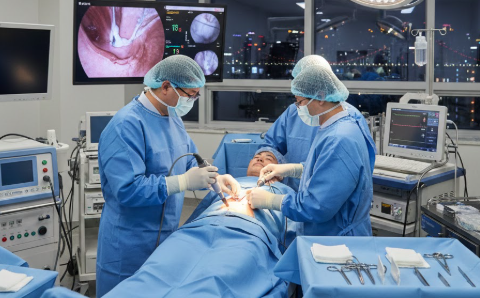
The surgery involves scrotal exploration, detorsion of the affected testicle, and orchidopexy (testicular fixation) to secure one or both testicles and prevent recurrence. Korean hospitals use advanced microsurgical techniques, high-resolution imaging, and neonatal anesthesia protocols to ensure the highest level of care. This surgery is performed by pediatric urology specialists trained in managing delicate neonatal cases.
Purpose & Benefits
The main goal of neonatal testicular torsion surgery is to preserve testicular function, prevent tissue loss, and avoid long-term reproductive and hormonal complications.
Key benefits include:
- Immediate restoration of blood flow to the affected testicle
- Potential preservation of neonatal fertility and endocrine function
- Secure fixation of both testicles to prevent future torsion
- Relief from scrotal swelling or discomfort (if postnatal torsion)
- Minimally invasive, microsurgical techniques for delicate neonatal tissues
- High success rates in Korean pediatric urology centers
- Comprehensive neonatal anesthesia and post-operative care
- Early diagnosis and treatment reduce long-term complications such as atrophy or asymmetry
This procedure ensures optimal testicular preservation and long-term reproductive health.
Ideal Candidates
Neonatal testicular torsion surgery is suitable for newborns who:
- Show scrotal swelling, discoloration, or hard testicle at birth
- Are diagnosed with prenatal or postnatal testicular torsion
- Require immediate intervention to attempt testicular salvage
- Have high risk of testicular atrophy if untreated
- Are managed at specialized pediatric urology centers
- Are international patients seeking expert neonatal urology care in Korea
Early intervention is critical, especially for postnatal torsion, as the chances of testicular salvage decrease significantly after 6–12 hours.
Possible Risks & Complications
Although generally safe when performed by experienced pediatric urologists, potential risks include:
- Swelling, bruising, or mild discomfort at the incision site
- Infection at the surgical site
- Bleeding or hematoma formation
- Rare recurrence of torsion if fixation is inadequate
- Testicular atrophy if blood supply was compromised prior to surgery
- Scarring or adhesions
- Anesthesia-related complications in neonates
Korean hospitals minimize these risks using neonatal microsurgical techniques, sterile protocols, and specialized pediatric anesthesia teams.
Techniques & Technology Used
Korean hospitals employ advanced techniques for neonatal testicular torsion surgery:
Microsurgical Detorsion
High-magnification tools allow precise untwisting of the spermatic cord while preserving tiny blood vessels.
Orchidopexy (Fixation)
Both testicles are typically fixed securely to prevent recurrent torsion.
Minimally Invasive Approach
Small, delicate incisions reduce tissue trauma, scarring, and recovery time.
High-Resolution Imaging
Doppler ultrasound and neonatal imaging confirm blood flow and guide surgical planning.
Enhanced Recovery Protocols
Postoperative care emphasizes safe neonatal anesthesia recovery, monitoring for swelling, and early wound care.
Fertility Preservation Focus
Specialists ensure optimal placement and function of the testicles, focusing on future endocrine and reproductive health.
Treatment Process in Korea
The treatment process for neonatal testicular torsion surgery is structured for rapid and safe intervention:
Evaluation & Diagnosis
Physical examination and Doppler ultrasound assess torsion, blood flow, and testicular viability.
Preoperative Preparation
Neonatal blood work and anesthesia evaluation are conducted promptly, ensuring the safest approach for newborns.
Surgical Procedure
Under general anesthesia, the scrotum is explored, the spermatic cord is detorsed, and both testicles are fixed using microsurgical techniques. Surgery typically lasts 30–60 minutes due to the delicate nature of neonatal tissues.
Postoperative Observation
Newborns are monitored for swelling, bleeding, and anesthesia recovery. Hospitalization may last 1–2 days depending on individual recovery.
Follow-Up
Follow-up appointments track wound healing, testicular growth, and endocrine/reproductive development. International families can benefit from telemedicine consultations.
Recovery & After-Care
Recovery for neonates is generally smooth under pediatric care:
Recommended after-care includes:
- Gentle handling of the scrotal area
- Keeping the incision clean and dry
- Observing for redness, swelling, or discharge
- Following pediatric urologist instructions for wound care and medications
- Regular follow-up visits to monitor testicular growth and health
Full recovery is typically achieved within 1–2 weeks, with long-term follow-up to ensure proper testicular development.
Results & Longevity
Neonatal testicular torsion surgery in Korea provides long-term benefits:
Expected results include:
- Restoration of blood flow and potential testicular salvage
- Secure fixation preventing future torsion
- Preservation of endocrine and reproductive function
- Minimal scarring due to microsurgical precision
- Long-term testicular growth and health monitoring
- High parental satisfaction due to specialized neonatal care
Early intervention significantly improves the chances of long-term testicular viability.
Why Korea Is a Top Destination
Korea is a preferred destination for neonatal testicular torsion surgery due to:
- Pediatric urology specialists with expertise in neonatal microsurgery
- Advanced imaging and minimally invasive surgical technology
- Rapid hospital admission and efficient emergency intervention
- Low complication and recurrence rates
- Comprehensive international patient services including translators, transport, and coordinators
- Affordable, high-quality care compared to Western countries
- Focus on fertility preservation and long-term endocrine outcomes
Parents choose Korea for safe, effective, and specialized neonatal urology care.
Cost Range
The cost of neonatal testicular torsion surgery in Korea varies depending on hospital and complexity:
- Standard unilateral or bilateral neonatal torsion repair: $5,000 – $8,000
- Complex or emergency cases: $8,000 – $11,000
Costs typically include consultation, imaging, anesthesia, surgery, medications, and follow-up care. Many hospitals offer international medical tourism packages for families.
Popular Clinics in Korea
Top hospitals and clinics for neonatal testicular torsion surgery include:
- Seoul National University Hospital – Pediatric Urology & Emergency Center
- Asan Medical Center – Neonatal & Pediatric Male Reproductive Division
- Samsung Medical Center – Microsurgery & Pediatric Urology Clinic
- Severance Hospital (Yonsei University) – Pediatric Urology Center
- Korea University Hospital – Neonatal Male Fertility & Urology Center
- Wooridul Urology Clinic – Pediatric Urology Specialist
- Hana Urology Clinic (Seoul) – Neonatal and Pediatric Care
These facilities are recognized for advanced microsurgical care, neonatal anesthesia expertise, and comprehensive international patient support.


