
Treatment Overview
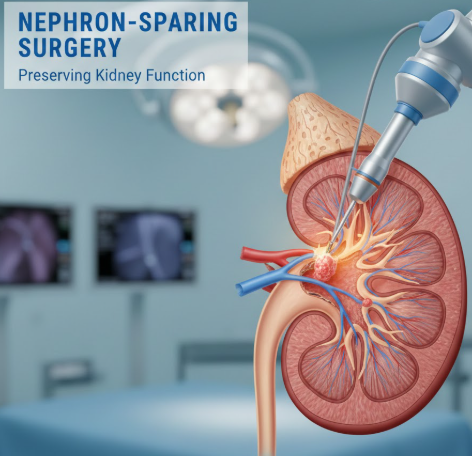
Nephron-sparing surgery, also known as partial nephrectomy, is a surgical procedure aimed at removing kidney tumors or damaged tissue while preserving as much healthy kidney tissue as possible. This approach is crucial for patients at risk of chronic kidney disease, those with a single functioning kidney, or patients with small kidney tumors. In Korea, hospitals utilize advanced minimally invasive techniques, including laparoscopic and robotic-assisted surgery, allowing precise excision of affected tissue while maintaining optimal kidney function.
Purpose & Benefits
The primary purpose of nephron-sparing surgery is to effectively treat kidney tumors or localized kidney damage while retaining healthy nephrons. Key benefits include:
- Preservation of kidney function and reduction of chronic kidney disease risk.
- Minimally invasive surgery leads to faster recovery and less postoperative pain.
- High success rate with low complication risk compared to total nephrectomy.
- Relief from tumor-related or obstruction-related symptoms.
- Improved long-term health outcomes and quality of life.
Ideal Candidates
Ideal candidates for nephron-sparing surgery include:
- Patients with small, localized kidney tumors.
- Individuals with partial kidney damage or impaired renal function.
- Patients with a single functioning kidney.
- Those in good general health capable of undergoing general anesthesia.
- Patients seeking to preserve kidney function for long-term health.
Possible Risks & Complications
Although nephron-sparing surgery is generally safe, potential risks include:
- Bleeding during or after surgery.
- Infection at the surgical site or urinary tract.
- Injury to surrounding organs, including ureter, liver, or intestines.
- Urine leakage or fistula formation.
- Temporary reduction in kidney function post-surgery.
- Rarely, conversion to total nephrectomy if complications arise.
Techniques & Technology Used
Korean hospitals utilize advanced technology for nephron-sparing surgery:
- Laparoscopic Surgery: Minimally invasive with small incisions for precise tumor or tissue removal.
- Robotic-Assisted Surgery: Offers enhanced precision, 3D visualization, and reduced blood loss.
- 3D Imaging & Navigation: Guides surgeons to accurately remove affected tissue while preserving healthy nephrons.
- Energy Devices and Lasers: Facilitate precise tissue dissection and hemostasis during surgery.
Treatment Process in Korea
The typical process for nephron-sparing surgery includes:
- Preoperative Evaluation: Kidney function tests, imaging (CT/MRI), and urology consultations.
- Surgical Planning: Customized approach based on tumor size, location, and complexity.
- Hospital Admission & Surgery: Performed under general anesthesia; surgery duration varies by complexity.
- Immediate Recovery: Monitoring for 2–5 days to ensure stable kidney function and absence of complications.
- Follow-Up Care: Imaging and laboratory tests to confirm successful tumor removal and kidney preservation.
Recovery & After-Care
Recovery is optimized through advanced care in Korea:
- Hospital stays are typically 2–5 days due to minimally invasive techniques.
- Patients should avoid strenuous activity and heavy lifting for several weeks.
- Pain management and anti-inflammatory medications provided as needed.
- Hydration and urine output monitoring are emphasized.
- Dietary guidance to support kidney health may be given.
- Most patients return to normal activities within 3–6 weeks.
Results & Longevity
Outcomes of nephron-sparing surgery in Korea are highly favorable:
- Significant preservation of kidney function.
- Low risk of tumor recurrence if detected and removed early.
- Minimal scarring due to laparoscopic and robotic-assisted techniques.
- Relief from tumor-related symptoms, improving quality of life.
- Long-term renal function comparable to healthy individuals.
Why Korea Is a Top Destination
Korea is a leading destination for nephron-sparing surgery because:
- Highly skilled urologists experienced in minimally invasive and robotic-assisted surgery.
- Cutting-edge surgical technology ensures precision and safety.
- High standards of patient safety and internationally accredited hospitals.
- Affordable treatment costs compared to Western countries without compromising quality.
- Comprehensive care for international patients, including translation, accommodation, and follow-up.
- Proven success in kidney preservation surgeries for medical tourists.
Cost Range
Estimated costs in Korea:
- Laparoscopic Nephron-Sparing Surgery: $6,000–$10,000 USD
- Robotic-Assisted Surgery: $10,000–$15,000 USD
- Preoperative tests, hospital stay, and follow-up: $1,000–$2,000 USD
- Many hospitals offer international patient packages covering consultation, surgery, accommodation, and transportation.
Popular Clinics in Korea
Top hospitals offering nephron-sparing surgery include:
- Samsung Medical Center, Seoul – Experts in robotic-assisted kidney surgery.
- Severance Hospital, Yonsei University, Seoul – Specialized in kidney preservation and minimally invasive surgery.
- Asan Medical Center, Seoul – Offers advanced laparoscopic and robotic procedures.
- Seoul National University Hospital, Seoul – Cutting-edge imaging and precise surgical planning.
- Gangnam Severance Hospital, Seoul – International patient-focused care with rapid recovery protocols.


