
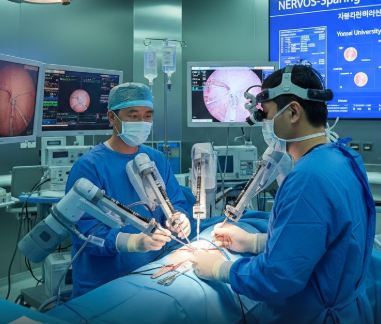
Treatment Overview
Nerve-Sparing Radical Prostatectomy (NSRP) is a specialized surgical procedure aimed at removing the prostate gland in men with localized prostate cancer while preserving the delicate nerves responsible for erectile function. This approach focuses on both cancer control and maintaining quality of life. Korean hospitals utilize advanced surgical techniques, including robotic and laparoscopic methods, to perform NSRP with high precision, ensuring minimal damage to surrounding tissues.
Purpose & Benefits
The main purpose of NSRP is to treat prostate cancer effectively while reducing the risk of postoperative erectile dysfunction. Key benefits include:
- Effective cancer removal from localized prostate regions.
- Preservation of sexual function through careful nerve-sparing techniques.
- Reduced risk of urinary incontinence compared to traditional surgery.
- Minimally invasive approaches (robotic or laparoscopic) result in less pain and scarring.
- Faster recovery and shorter hospital stay compared to open surgery.
Ideal Candidates
NSRP is ideal for:
- Men diagnosed with localized prostate cancer.
- Patients prioritizing preservation of erectile and urinary function.
- Individuals in good overall health suitable for minimally invasive surgery.
- Men with tumors not invading the neurovascular bundles, allowing safe nerve-sparing.
Possible Risks & Complications
Although NSRP is designed to minimize functional side effects, potential risks include:
- Temporary or, rarely, long-term erectile dysfunction.
- Urinary incontinence, which may improve with rehabilitation.
- Bleeding or infection at the incision site.
- Rare injury to surrounding organs such as bladder or rectum.
- Standard anesthesia-related risks.
Techniques & Technology Used
Korean hospitals performing NSRP employ cutting-edge techniques:
- Robotic-assisted surgery (da Vinci system): Enhanced precision and 3D visualization for delicate nerve preservation.
- Laparoscopic nerve-sparing techniques: Minimally invasive access to preserve neurovascular bundles.
- Advanced energy devices: Precise tissue cutting and coagulation to reduce blood loss.
- Magnified visualization: Ensures careful dissection around nerves critical for sexual function.
Treatment Process in Korea
The typical NSRP process in Korea includes:
- Initial Consultation & Evaluation: Comprehensive assessment including PSA levels, MRI, biopsy results, and general health evaluation.
- Preoperative Preparation: Counseling, medical optimization, and planning for nerve-sparing surgery.
- Surgical Procedure: Performed under general anesthesia, typically lasting 2–4 hours depending on complexity and tumor location.
- Postoperative Monitoring: Hospital stay of 1–3 days, monitoring for complications and early mobilization.
- Follow-up Visits: PSA testing, sexual function evaluation, and urinary continence assessment.
Recovery & After-Care
Recovery after NSRP emphasizes rehabilitation and functional recovery:
- Hospital Stay: Typically 1–3 days for robotic or laparoscopic procedures.
- Catheter Management: Urinary catheter removed after 1–2 weeks.
- Pain Management: Mild discomfort managed with oral medications.
- Physical Activity: Light activities encouraged after one week; full recovery in 4–6 weeks.
- Long-Term Care: Pelvic floor exercises, sexual rehabilitation, and routine PSA monitoring.
Results & Longevity
NSRP provides favorable outcomes for both cancer control and functional preservation:
- Cancer Control: High success rates in localized prostate cancer removal.
- Functional Outcomes: Most patients regain urinary continence within months; sexual function recovery is better compared to non-nerve-sparing procedures.
- Durability: Long-term cancer control rates are comparable to traditional prostatectomy, with fewer complications affecting quality of life.
Why Korea Is a Top Destination
Korea is a leading destination for NSRP due to:
- Advanced Surgical Technology: Access to robotic and laparoscopic systems for precise nerve-sparing surgery.
- Experienced Urologists: Surgeons skilled in nerve preservation techniques with extensive experience in prostate cancer surgery.
- Comprehensive Patient Care: Seamless integration of pre-op evaluation, surgery, and rehabilitation.
- Affordable High-Quality Care: Competitive international pricing without compromising outcomes.
- Medical Tourism Support: English-speaking coordinators, travel assistance, and streamlined hospital processes for international patients.
Cost Range
The cost of Nerve-Sparing Radical Prostatectomy in Korea typically ranges from $12,000 to $20,000, depending on the hospital, surgeon experience, and additional services such as accommodation and post-op care.
Popular Clinics in Korea
Top hospitals offering NSRP for international patients include:
- Samsung Medical Center, Seoul – Renowned for robotic nerve-sparing surgeries.
- Asan Medical Center, Seoul – High-volume prostate cancer treatment center.
- Severance Hospital, Seoul – Expertise in both robotic and laparoscopic NSRP.
- Seoul St. Mary’s Hospital – Advanced minimally invasive prostate surgery.
- CHA Bundang Medical Center – Excellent patient support and international care services.


