
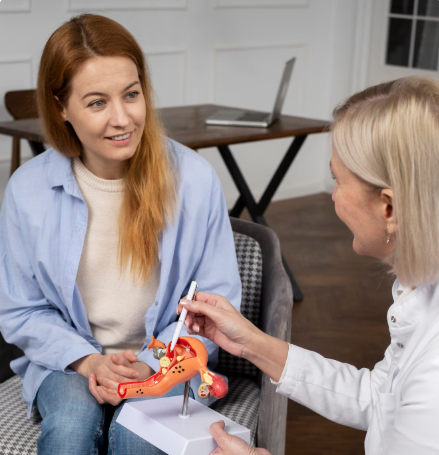
Treatment Overview
Neuracle Pelvic Neuromodulation Therapy is a cutting-edge procedure designed to modulate and stimulate the neural pathways that control the pelvic floor, bladder, and urethra. Unlike therapies focused purely on muscle strengthening (like Kegel exercises or EMS), neuromodulation targets the nerves (e.g., sacral, pudendal) that regulate pelvic-floor muscle tone, urethral closure and bladder storage function. In Korea, such neuromodulation services are offered in advanced uro-gynecology centres to treat SUI: involuntary urine leakage with cough, sneeze or exertion. Rather than only reinforcing tissues, this therapy “resets” dysfunctional nerve-muscle communication to improve continence and pelvic support.
Purpose & Benefits
Purpose:
- To restore proper neural control of pelvic-floor musculature and urethral support mechanisms.
- To reduce or eliminate urine leakage episodes by improving nerve-muscle coordination rather than just mechanical support.
- To offer a minimally invasive or conservatively invasive option when pelvic-floor muscle training alone is insufficient.
- To integrate into a comprehensive pelvic-floor / uro-gynecology care plan addressing both functional and structural support.
Benefits:
- Allows women with persistent SUI (despite exercises) a new therapeutic route.
- Helps strengthen neuromuscular reflexes of the pelvic-floor and urethral sphincter system.
- May improve quality of life by reducing leakage, pad use, and associated anxiety or behaviour avoidance.
- In Korea, neuromodulation is often embedded within multidisciplinary pelvic-floor care—therapist + uro-gynecologist + diagnostics—which amplifies success.
- Could delay or even avoid more invasive surgery in some cases of early/moderate SUI when nerve-muscle function is the main limiting factor.
Ideal Candidates
Ideal candidates include:
- Women experiencing mild to moderate SUI (leakage with cough/sneeze/exertion) who have tried pelvic-floor muscle training without satisfactory improvement.
- Women with documented pelvic-floor muscle weak-reflexes or neuromuscular ‘fatigue’ or impaired coordination.
- Women who are physically fit for a minimally invasive neuromodulation procedure (no major contraindications).
- Women looking for a functional-neuromuscular approach rather than purely mechanical (e.g., sling) intervention.
- Pre-surgical candidates: those who wish to optimize nerve/muscle function before or after more structural surgery.
Those with severe anatomical defects (e.g., major urethral sphincter loss, large prolapse) may still need structural surgery; neuromodulation is likely adjunctive rather than sole therapy.
Possible Risks & Complications
Neuromodulation therapy is generally safe, but possible risks include:
- Temporary local discomfort sensations (tingling, mild ache) at the neuromodulation site.
- Mild transient changes in bladder sensation or urinary frequency during the adjustment period.
- In rare cases, device-related complications (if implants or leads are used) such as infection or lead migration (depending on system used).
- Non-response: The therapy may not adequately restore continence if the neural or muscle pathology is too advanced—resulting in the need for additional treatment.
- For international patients: follow-up continuity and device servicing may present logistic challenges.
Clinics in Korea emphasise patient selection, device calibration and training to minimise such risks.
Techniques Used
In Korean uro-gynecology centres offering Neuracle Pelvic Neuromodulation Therapy, the typical techniques include:
- Non-implantable or minimally-invasive neural stimulators directed at pelvic nerves (e.g., sacral S3/S4, pudendal).
- Trial stimulation phase (in some systems) to verify response before permanent setup.
- Parameter programming (pulse frequency, amplitude, duration) tailored to individual nerve-muscle response.
- Integration with pelvic-floor muscle training and biofeedback to maximise neuromotor improvement.
- Use of diagnostics (urodynamic testing, nerve conduction, pelvic floor EMG) to identify neuromuscular deficit and guide therapy.
- Follow-up checkups to adjust stimulation settings, monitor continuance, and integrate device therapy into long-term pelvic-floor rehabilitation.
Recent reviews note neuromodulation’s expanding role in pelvic-floor disorders.
Recovery & Aftercare
Recovery:
- Usually minimal downtime for neuromodulation therapy (unless an implant is used). Most patients resume normal activities shortly after.
- Monitoring for the first few sessions to assess bladder/urethral response and adjust device/therapy settings.
- Mild local sensation at stimulation site may persist for a few hours post-session.
Aftercare:
- Attend scheduled stimulator adjustment sessions and follow-up visits for therapy optimisation.
- Continue pelvic-floor muscle training exercises and behavioural/lifestyle interventions (weight management, avoiding heavy lifting, managing cough/constipation).
- Monitor leakage episodes, pad usage and quality-of-life changes; declare any new symptoms to specialist.
- If a device implant is used, maintain follow-up for battery checks, lead function, and any hardware issues.
- Long-term: periodic assessment (e.g., every 6–12 months) to ensure neuromuscular function remains effective and intervene early if leakage returns.
Results & Longevity
Results:
- Many patients show significant reduction in leakage episodes, improved continence and greater pelvic-floor muscle responsiveness after consistent neuromodulation therapy.
- Outcomes depend on baseline neuromuscular integrity, severity of SUI and combined therapy adherence.
While evidence specific to Neuracle system may be limited, broader pelvic neuromodulation literature supports functional improvement in pelvic disorders.
Longevity:
- Neuromodulation can provide durable benefit, often many months to years, but long-term outcomes vary and maintenance therapy may be required.
- Effectiveness is enhanced when neuromodulation is combined with pelvic-floor muscle training, lifestyle modification and stable comorbid health.
- If underlying structural damage progresses or new pelvic risk factors arise (childbirth, menopause, heavy exertion), additional or repeat interventions may be needed.
Treatment Process in Korea
Why Korea is a Top Destination:
- Korea’s medical centres are known for sophisticated neuromodulation technology and experienced interdisciplinary teams combining uro-gynecology, pelvic-floor physiotherapy, neuro-stimulation and rehabilitation.
- The presence of the Korean Neuromodulation Society indicates active development and clinical exchange in neuromodulation therapies in Korea.
- Korean clinics emphasise a holistic approach: detailed diagnostics, tailored nerve-muscle therapy, high technological standards and foreign-patient friendly services.
- Korea offers highly-trained specialists, advanced device options, and integrated rehabilitation programmes under one roof — making it a strong choice for neuromodulation therapy for pelvic-floor disorders.
Typical Process:
- Consultation & Assessment: Comprehensive pelvic-floor evaluation, urinary leakage history, urodynamic/EMG testing to identify neuromuscular deficits.
- Device/Protocol Planning: Determine suitability for neuromodulation, select target nerve (e.g., sacral S3), plan trial if applicable, and schedule stimulations.
- Treatment Sessions: Neuromodulation sessions begin—either non-implantable external stimulator or implantable system trial. Sessions might last 30-60 min, repeated weekly or biweekly initially.
- Monitoring & Adjustment: Patient response is monitored (leakage reduction, muscle activation), stimulation parameters are adjusted accordingly.
- Integration with Rehabilitation: Pelvic-floor muscle training, biofeedback, lifestyle counselling begin concurrently to reinforce neuromuscular gains.
- Maintenance & Follow-Up: After initial improvement, ongoing stimulator sessions and check-ups (every few months) maintain effect. If leakage returns, escalate therapy or refer for surgical review.
Cost Range (Details)
Because neuromodulation for SUI is a more specialised and technology-intensive therapy, cost can vary significantly depending on device type (non-implant vs implant), number of sessions, diagnostics and after-care. While specific cost data for the “Neuracle” system in Korea is limited in public sources, you can expect:
- Trial/diagnostic phase + initial sessions (non-implant): moderate cost relative to major surgery.
- Implantable neuromodulation device with surgical placement: higher cost due to implantation, device, follow-ups.
- Additional costs: baseline diagnostics (urodynamics, EMG), regular adjustments, rehabilitation sessions, follow-up visits.
As a rough guide, advanced neuromodulation therapies are positioned in the “minimally invasive but advanced technology” tier—potentially several thousands of USD (or comparable in KRW) depending on hospital, device and inclusive services. (Specific local quotes should be obtained from each Korean clinic.)
Popular Clinics in Korea
- High-volume women’s health hospitals in Seoul with dedicated uro-gynecology & neuromodulation units.
- Private pelvic-floor rehabilitation centres in Gangnam/Apgujeong offering neuromodulation for incontinence along with physiotherapy and muscle training.
- International patient-friendly hospitals that provide neuromodulation packages inclusive of diagnostics, therapy sessions and foreign-patient coordination.
- Multidisciplinary pelvic-floor wellness centres combining neuromodulation therapy, EMS/laser/vaginal tightening and uro-gynecologic care.


