
Treatment Overview
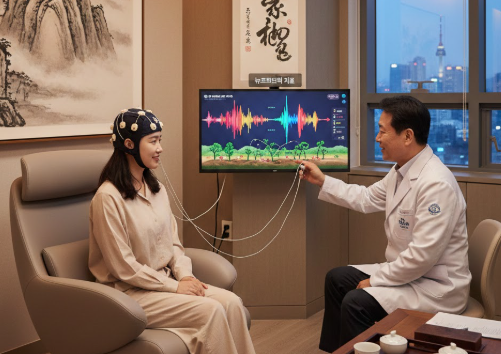
Neurofeedback therapy in Korea is a non-invasive brain-training technique designed to improve mental performance, emotional regulation, and certain neurological or psychological conditions. By using real-time monitoring of brainwave activity through electroencephalography (EEG), neurofeedback helps patients learn to regulate brain function, enhancing focus, relaxation, and overall mental health.
Korean clinics offer specialized neurofeedback programs for conditions such as ADHD, anxiety, depression, sleep disorders, chronic pain, and sexual dysfunction related to psychological stress. This therapy is recognized for its safety, effectiveness, and personalized approach.
Purpose & Benefits
The primary purpose of neurofeedback therapy is to train the brain to function more efficiently, correcting imbalances that contribute to neurological or psychological symptoms. Key benefits include:
- Improved concentration, memory, and cognitive function
- Reduced anxiety, stress, and depressive symptoms
- Enhanced emotional regulation and resilience
- Better sleep quality and circadian rhythm balance
- Non-invasive and drug-free treatment
- Potential improvements in sexual performance related to psychological factors
Korean specialists provide personalized neurofeedback sessions, adjusting protocols to target individual brainwave patterns for maximum benefit.
Ideal Candidates
Ideal candidates for neurofeedback therapy in Korea include individuals who:
- Experience ADHD, anxiety, depression, or stress-related disorders
- Have sleep disturbances or insomnia
- Suffer from chronic pain or migraine with neurological involvement
- Face sexual performance anxiety or related psychological issues
- Seek non-invasive, drug-free therapies to enhance brain function
- Are motivated to attend regular sessions and practice recommended exercises
A thorough initial evaluation ensures the therapy is appropriate and safe for each patient.
Possible Risks & Complications
Neurofeedback therapy is generally safe, but minor issues may include:
- Temporary fatigue or mild headache after sessions
- Dizziness or lightheadedness in sensitive individuals
- Emotional reactions due to brainwave changes
- Rare anxiety or irritability if sessions are too intense
Korean clinics ensure sessions are closely monitored, with gradual adjustments to avoid discomfort and maximize therapeutic effect.
Techniques & Technology Used
Korean clinics use state-of-the-art equipment and evidence-based techniques for neurofeedback therapy:
EEG-Based Brainwave Monitoring – Real-time tracking of brain activity to provide feedback and guide training.
Personalized Protocols – Sessions are tailored to individual brain patterns and therapeutic goals.
Neurofeedback Software & Visual Feedback – Interactive games, videos, or auditory cues guide the patient to modify brainwave activity.
Combined Cognitive or Behavioral Therapy – For enhanced results, neurofeedback is often integrated with psychotherapy, stress management, or sexual counseling.
Telemedicine & Remote Monitoring – Some clinics offer online support and guidance for international patients, ensuring continuity of care.
Treatment Process in Korea
1. Initial Consultation & Assessment
Patients undergo a comprehensive evaluation including medical history, psychological assessment, and baseline EEG recording. Goals and treatment plans are discussed.
2. Neurofeedback Session Planning
Specialists design personalized protocols targeting specific brainwave patterns associated with symptoms such as anxiety, ADHD, or sexual performance issues.
3. Therapy Sessions
Patients undergo sessions where EEG sensors monitor brain activity while interactive feedback is provided through visual or auditory cues. Each session typically lasts 30–60 minutes.
4. Progress Monitoring & Adjustment
Therapists review brainwave data and clinical progress regularly, adjusting protocols to optimize outcomes.
5. Complementary Therapy Integration
When appropriate, neurofeedback may be combined with cognitive behavioral therapy, stress reduction exercises, or sexual counseling to enhance overall results.
Recovery & After-Care
Since neurofeedback is non-invasive, no physical recovery is required. After-care includes:
- Attending scheduled sessions consistently
- Practicing recommended exercises at home
- Monitoring emotional and cognitive changes
- Reporting any discomfort, fatigue, or unusual reactions to the therapist
- Following guidance on lifestyle adjustments such as sleep hygiene and stress management
Consistency and engagement in therapy are essential for long-term benefits.
Results & Longevity
Neurofeedback therapy can provide gradual but durable improvements. Results include:
- Enhanced focus, attention, and memory
- Reduced anxiety, stress, and depressive symptoms
- Better emotional regulation and resilience
- Improved sleep quality and daily functioning
- Potential reduction in sexual performance anxiety
Long-term outcomes are best achieved through regular sessions and integration with complementary therapies.
Why Korea Is a Top Destination
South Korea is a leading destination for neurofeedback therapy due to:
- Highly trained neurologists, psychologists, and neurofeedback specialists
- Advanced EEG equipment and interactive therapy technology
- Personalized and evidence-based treatment protocols
- Non-invasive, safe, and drug-free approach
- Support for international patients including telemedicine follow-up
- Affordable, high-quality therapy compared to Western countries
Korean clinics prioritize safety, patient comfort, and measurable improvements, making them ideal for international patients seeking neurofeedback therapy.
Cost Range
The cost of neurofeedback therapy in Korea varies depending on clinic, session frequency, and program length:
Initial Consultation & EEG Assessment: USD 100 – 300
Single Neurofeedback Session: USD 80 – 200
Comprehensive Monthly Program (8–12 Sessions): USD 600 – 1,500
Integrated Therapy Packages: USD 1,000 – 2,500 including neurofeedback, counseling, and follow-up
International packages may include consultation, EEG assessment, therapy sessions, and remote follow-up.
Popular Clinics in Korea
Some reputable clinics offering neurofeedback therapy include:
- ID Hospital Men’s Health Center – Provides neurofeedback for cognitive, psychological, and sexual performance enhancement.
- Banobagi Men’s Health Clinic – Specializes in neurofeedback integrated with counseling and stress management.
- View Urology & Men’s Wellness Clinic – Offers tailored neurofeedback programs for ADHD, anxiety, and sexual performance issues.
- TL Men’s Health Clinic – Experienced in combining neurofeedback with behavioral and lifestyle therapies.
- Regen Medical Center – Trusted for safe, effective, and personalized neurofeedback therapy for international patients.


