
Treatment Overview
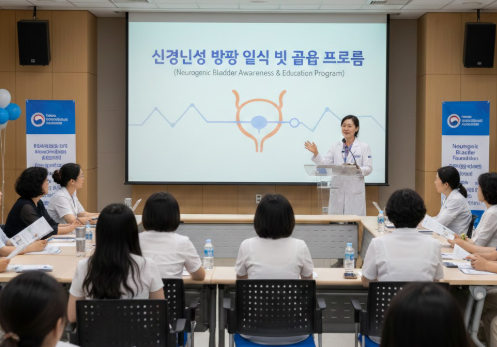
Neurogenic bladder is a condition caused by nerve damage affecting bladder control, leading to urinary incontinence, retention, or recurrent infections. Awareness and education programs in Korea focus on helping patients, families, and caregivers understand the condition, recognize early signs, prevent complications, and manage long-term bladder health effectively.
These programs combine workshops, counseling sessions, multimedia education, and patient-centered guidance on lifestyle, therapy, and medical options.
Purpose & Benefits
H5 Key benefits of awareness and education programs include:
- Educating patients and caregivers about neurogenic bladder symptoms and early warning signs
- Promoting early diagnosis and timely intervention
- Reducing the risk of complications such as urinary tract infections or kidney damage
- Teaching proper bladder management techniques, including catheterization and pelvic floor exercises
- Providing guidance on lifestyle modifications, hydration, and timed voiding
- Supporting pediatric patients and their families with age-appropriate education
- Enhancing quality of life by improving independence and confidence
- Encouraging adherence to therapy and follow-up schedules
Education is crucial for both prevention and effective long-term management.
Ideal Candidates
H5 Awareness and education programs are suitable for:
- Adults and children diagnosed with neurogenic bladder
- Individuals at risk due to spinal cord injury, stroke, multiple sclerosis, or congenital conditions
- Caregivers, family members, and healthcare providers involved in patient care
- Patients seeking guidance on proper catheterization, medication, or bladder training
- Schools and community groups looking to raise awareness of pediatric bladder disorders
Korean hospitals and clinics provide structured programs tailored to the needs of each group.
Possible Risks & Complications
H5 While educational programs are safe, possible challenges include:
- Misinterpretation of complex medical information without proper guidance
- Over-reliance on self-management without consulting healthcare professionals
- Inconsistent adherence to recommended bladder care routines
- Need for ongoing education as patient condition or therapies evolve
Professional supervision ensures that patients and caregivers receive accurate and actionable information.
Techniques & Technology Used
H5 Korea utilizes advanced approaches for education and awareness:
Workshops and Seminars
- Interactive sessions led by urologists and rehabilitation specialists
- Demonstrations on catheterization, pelvic floor exercises, and bladder training
Multimedia Education
- Online videos, apps, and educational booklets
- Patient-focused resources explaining symptoms, therapies, and lifestyle adjustments
Individual Counseling Sessions
- Personalized instruction for patients and caregivers
- Guidance on medications, therapy adherence, and follow-up schedules
Community and Pediatric Programs
- School-based awareness for children with congenital neurogenic bladder
- Support groups for families and adult patients
Technology Integration
- Telemedicine consultations for international patients
- Virtual workshops for follow-up education and guidance
Treatment Process in Korea
H5 Step 1: Initial Enrollment
- Patients or caregivers register for awareness programs at hospitals or specialized clinics
H5 Step 2: Assessment
- Review patient history and specific needs for education or guidance
H5 Step 3: Program Delivery
- Workshops, counseling sessions, and multimedia education
- Practical demonstrations of bladder management techniques
H5 Step 4: Follow-Up Support
- Telemedicine check-ins, refresher sessions, and guidance for ongoing therapy
- Provision of educational materials for home use
H5 Step 5: Evaluation and Feedback
- Assess knowledge retention and ability to implement bladder care
- Adjust programs to meet patient or caregiver needs
Recovery & After-Care
H5 While education programs are non-invasive, after-care focuses on:
- Applying learned bladder management techniques in daily life
- Regular monitoring of symptoms and therapy adherence
- Continuous communication with healthcare providers for adjustments
- Updating caregivers on any changes in treatment or patient condition
This ensures that education translates into improved bladder health and independence.
Results & Longevity
H5 Expected outcomes of awareness and education programs include:
- Better understanding of neurogenic bladder and self-care techniques
- Increased adherence to therapy and lifestyle recommendations
- Reduced complications and hospital visits
- Improved quality of life and confidence in bladder management
- Long-term engagement with healthcare providers for sustained bladder health
- Empowerment of both patients and caregivers
Education fosters long-lasting positive results and proactive management.
Why Korea Is a Top Destination
H5 Korea is ideal for neurogenic bladder education due to:
- Experienced urologists and rehabilitation specialists leading programs
- Structured, patient-focused workshops and counseling sessions
- Advanced telemedicine and multimedia education for international patients
- Pediatric and adult-focused programs tailored to individual needs
- Integration of clinical treatment with educational support
- Support for foreign patients including language services and virtual access
- Evidence-based programs designed to improve patient outcomes
Patients benefit from comprehensive education alongside expert medical care.
Cost Range
H5 Estimated costs in Korea:
- Awareness Workshops / Group Seminars: $50–$150 per session
- Individual Counseling Sessions: $100–$300 per session
- Multimedia Education & Telemedicine Support: $50–$200 depending on duration
- Full Education Package (including workshops, counseling, follow-ups): $300–$800
Costs vary depending on program length, intensity, and international patient support services.
Popular Clinics in Korea
H5 Leading centers offering neurogenic bladder awareness and education programs include:
- Seoul National University Hospital (SNUH)
- Samsung Medical Center
- Asan Medical Center
- Severance Hospital (Yonsei University)
- Mirae Urology & Pelvic Health Clinic
- Wooridul Urology Center
- CHA Women’s Medical Center
- Seoul Urology & Pelvic Health Clinic
These institutions provide structured programs for both adult and pediatric patients, integrating education with clinical care.


