
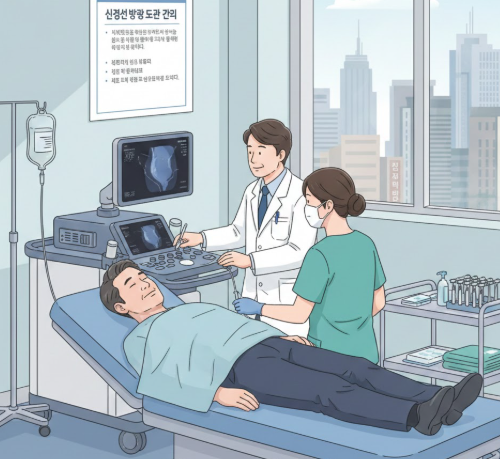
Treatment Overview
Neurogenic bladder is a condition caused by nerve damage affecting bladder function, often leading to urinary retention or incontinence. Catheterization is a core component of management, allowing patients to safely empty their bladder, prevent infections, and maintain kidney health.
Korean clinics provide comprehensive catheterization management programs, including intermittent self-catheterization, indwelling catheters, suprapubic catheters, and advanced training for patients and caregivers. These programs are personalized based on bladder function, patient age, lifestyle, and overall health.
Purpose & Benefits
H5 Key benefits of catheterization management include:
- Ensures complete bladder emptying to prevent urinary retention
- Reduces risk of urinary tract infections and kidney damage
- Provides a safe and reliable method for managing incontinence
- Enhances patient independence and quality of life
- Supports both adult and pediatric patients with neurogenic bladder
- Can be integrated with medications or other therapies for optimal results
- Offers professional training and monitoring to ensure proper technique
- Provides long-term management for chronic bladder dysfunction
Effective catheterization management is critical for preventing complications and improving daily functioning.
Ideal Candidates
H5 Catheterization management is recommended for patients who:
- Have urinary retention due to nerve dysfunction
- Cannot empty their bladder completely naturally
- Experience recurrent urinary tract infections from incomplete voiding
- Are post-spinal cord injury or post-neurological surgery patients
- Children with congenital neurogenic bladder conditions
- Adults with chronic neurological disorders affecting bladder control
- Patients seeking structured, professional training and follow-up care
Korean clinics tailor catheterization methods and schedules to individual needs for optimal results.
Possible Risks & Complications
H5 While catheterization is generally safe, risks may include:
- Urinary tract infections if catheter hygiene is not maintained
- Urethral irritation, discomfort, or minor bleeding
- Bladder spasms or temporary urgency
- Rare injury to the urethra during insertion
- Allergic reactions to catheter materials in sensitive patients
- Complications from long-term indwelling catheters, such as encrustation or blockage
Korean hospitals provide professional guidance and monitoring to minimize these risks.
Techniques & Technology Used
H5 Common catheterization techniques in Korea include:
Intermittent Self-Catheterization (ISC)
- Patients insert a catheter periodically to empty the bladder
- Promotes independence and reduces infection risk
- Training is provided by specialized nurses or urologists
Indwelling Catheters
- Remain in place for long-term management of retention
- Suprapubic or urethral options available
- Regular monitoring and replacement to prevent complications
Suprapubic Catheterization
- Catheter inserted directly into the bladder through the abdominal wall
- Suitable for patients with urethral complications or long-term needs
Advanced Training Programs
- Patient education on hygiene, insertion technique, and maintenance
- Digital tracking and reminders for catheterization schedules
- Biofeedback and pelvic therapy integration for overall bladder health
Monitoring & Follow-Up
- Regular imaging and urine tests to detect infections or complications
- Adjustments to catheter type, size, or schedule as needed
Treatment Process in Korea
H5 Step 1: Initial Consultation
Specialists assess bladder function, neurological status, and patient lifestyle to determine catheterization needs.
H5 Step 2: Diagnostic Assessment
Includes urodynamic studies, imaging, and laboratory tests to guide catheterization planning.
H5 Step 3: Catheterization Method Selection
Urologists choose the most suitable technique (intermittent, indwelling, suprapubic) based on patient condition.
H5 Step 4: Training & Implementation
Patients and caregivers receive hands-on training in insertion, hygiene, and maintenance.
H5 Step 5: Integration with Therapy
Pelvic floor exercises, bladder training, and medications may complement catheterization for better outcomes.
H5 Step 6: Regular Follow-Up
Scheduled check-ups monitor bladder health, catheter function, and prevent infections or complications.
Recovery & After-Care
H5 After starting catheterization:
- Patients can usually continue daily activities with proper technique
- Education on hygiene, catheter handling, and infection prevention is critical
- Follow-up visits ensure proper catheter function and early detection of complications
- Adjustments to catheter type or schedule may be made based on monitoring results
- Long-term management includes regular urological assessments
Results & Longevity
H5 Expected outcomes include:
- Reliable bladder emptying with reduced retention
- Prevention of urinary tract infections and kidney complications
- Improved quality of life and independence
- Long-term bladder health maintenance with structured catheterization
- Integration with rehabilitation and therapy enhances overall continence
Regular monitoring and adherence to proper technique ensure durable benefits.
Why Korea Is a Top Destination
H5 Korea offers world-class catheterization management due to:
- Experienced urologists and specialized nursing staff
- State-of-the-art diagnostic and monitoring equipment
- Multidisciplinary care combining neurology, urology, and rehabilitation
- Safe, minimally invasive procedures for both adults and children
- Medical tourism support with English-speaking staff and travel assistance
- Competitive costs compared to Western countries
- Efficient scheduling and personalized care plans for international patients
Patients receive expert guidance, modern facilities, and comprehensive follow-up for optimal outcomes.
Cost Range
H5 Estimated costs in Korea:
- Consultation & Diagnostic Tests: $150–$400
- Intermittent Self-Catheterization Training: $100–$300
- Catheter Supplies (monthly): $50–$150
- Indwelling Catheter Placement & Monitoring: $300–$800
- Suprapubic Catheter Procedure: $1,000–$3,000
- Complete Catheterization Management Package: $500–$2,500
Costs vary depending on hospital, catheter type, duration, and international patient services.
Popular Clinics in Korea
H5 Leading hospitals and clinics for neurogenic bladder catheterization management include:
- Seoul National University Hospital (SNUH)
- Samsung Medical Center
- Asan Medical Center
- Severance Hospital (Yonsei University)
- Mirae Urology & Pelvic Health Clinic
- Wooridul Urology Center
- CHA Women’s Medical Center
- Seoul Urology & Pelvic Health Clinic
These institutions offer advanced catheterization techniques, training programs, and comprehensive monitoring for patients.


