
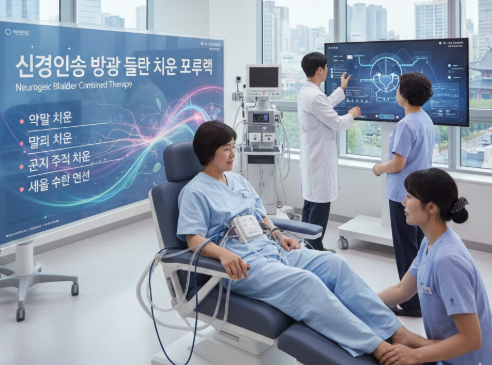
Treatment Overview
Neurogenic bladder is a condition where nerve damage disrupts normal bladder function, leading to incontinence, urinary retention, or frequent infections. Combined therapy programs in Korea integrate multiple treatment modalities to provide a holistic approach, addressing bladder function, continence, and overall quality of life.
These programs may include medications, pelvic floor therapy, nerve stimulation, Botox therapy, catheterization guidance, lifestyle modifications, and surgical interventions when needed.
Purpose & Benefits
H5 Benefits of combined therapy programs include:
- Comprehensive treatment addressing multiple aspects of neurogenic bladder
- Enhanced bladder control and reduced incontinence episodes
- Improved voiding efficiency and reduced urinary retention
- Non-invasive and minimally invasive options for faster recovery
- Personalized care plans tailored to patient condition and response
- Multidisciplinary approach involving urology, rehabilitation, and pediatrics
- Better patient compliance and long-term bladder health
- Support for both adult and pediatric patients
Combined therapy provides a synergistic effect, optimizing outcomes compared to single treatment modalities.
Ideal Candidates
H5 Combined therapy programs are suitable for:
- Adults and children with neurogenic bladder from spinal cord injury, stroke, multiple sclerosis, or congenital conditions
- Patients not responding adequately to single-modality treatments
- Individuals with recurrent urinary tract infections or bladder complications
- Those seeking a structured, multidisciplinary approach for optimal bladder function
- Pediatric patients requiring non-invasive interventions alongside behavioral management
- High-risk patients needing safe, coordinated care across multiple therapies
Korean clinics assess each patient to develop a customized program for maximum efficacy.
Possible Risks & Complications
H5 While combined therapy is generally safe, potential risks include:
- Temporary urinary retention or urgency during treatment
- Mild discomfort or soreness from pelvic floor exercises or electrical stimulation
- Urinary tract infections from catheterization or instrumentation
- Allergic reactions to medications or Botox
- Rare procedural complications from minimally invasive interventions
- Need for program adjustments based on patient response
Specialists in Korea monitor patients closely to minimize risks and ensure safe outcomes.
Techniques & Technology Used
H5 Advanced techniques in combined therapy programs in Korea include:
Medications
- Anticholinergics, beta-3 agonists, or other bladder-modulating drugs
- Adjusted to patient age and condition
Pelvic Floor Therapy
- Exercises, biofeedback, and electrical stimulation to strengthen bladder support muscles
Minimally Invasive Procedures
- Botox injections to relax bladder muscles
- Sacral or tibial nerve stimulation to restore nerve signaling
Catheterization Guidance
- Intermittent or indwelling catheter support for safe bladder emptying
Bladder Training and Lifestyle Modifications
- Timed voiding, hydration management, and behavioral therapy
- Ensures sustainable bladder function and patient independence
Pediatric Adaptations
- Age-appropriate therapy techniques and non-invasive interventions
Monitoring and Follow-Up
- Regular urodynamic testing, imaging, and lab tests to track progress
- Adjustments to therapy based on patient response
Treatment Process in Korea
H5 Step 1: Initial Consultation and Assessment
- Detailed evaluation of medical history, bladder function, and prior treatments
H5 Step 2: Diagnostic Testing
- Urodynamics, imaging, and lab tests to identify bladder dysfunction and risk factors
H5 Step 3: Personalized Combined Therapy Plan
- Integration of medications, therapy, minimally invasive procedures, and lifestyle guidance
H5 Step 4: Therapy Implementation
- Supervised sessions and home-based exercises
- Procedure scheduling and catheterization training if required
H5 Step 5: Regular Monitoring
- Tracking symptom improvement, bladder function, and therapy effectiveness
H5 Step 6: Long-Term Management
- Ongoing adjustments to maintain bladder health and prevent complications
Recovery & After-Care
H5 Recovery and after-care include:
- Guidance on catheterization, hygiene, and bladder training
- Regular follow-up visits with urologists and rehabilitation specialists
- Adjustment of medications or therapy protocols as needed
- Education for pediatric caregivers or adult patients on long-term care
- Monitoring for infections, retention, or other complications
Structured aftercare ensures maximum effectiveness and sustainable results.
Results & Longevity
H5 Expected outcomes of combined therapy programs include:
- Improved bladder control and continence
- Reduced urgency, frequency, and urinary retention
- Enhanced quality of life and independence
- Long-term bladder health with minimal complications
- Positive results for both adults and children
- Reduced need for surgical interventions through comprehensive care
Combined therapy maximizes the chances of long-lasting, effective results.
Why Korea Is a Top Destination
H5 Korea is a leading destination for neurogenic bladder combined therapy due to:
- Experienced urologists and multidisciplinary teams
- Advanced diagnostic and treatment technologies
- Comprehensive care integrating medications, therapy, and minimally invasive procedures
- Efficient international patient services including language support and accommodation assistance
- Pediatric and adult-focused programs
- Evidence-based protocols ensuring safety and effectiveness
- Competitive costs and structured follow-up programs
Patients benefit from high-quality, coordinated care that addresses all aspects of neurogenic bladder management.
Cost Range
H5 Estimated costs in Korea:
- Initial Consultation & Assessment: $100–$300
- Diagnostic Testing (urodynamics, imaging, labs): $200–$500
- Therapy Sessions (pelvic floor, biofeedback, nerve stimulation): $50–$200 per session
- Minimally Invasive Procedures (Botox, nerve stimulation): $1,000–$3,000 per session
- Medication Management: $50–$200 per month
- Complete Combined Therapy Program: $1,500–$10,000 depending on program length and services
Costs vary based on hospital, therapy intensity, and international patient support services.
Popular Clinics in Korea
H5 Leading clinics offering neurogenic bladder combined therapy programs include:
- Seoul National University Hospital (SNUH)
- Samsung Medical Center
- Asan Medical Center
- Severance Hospital (Yonsei University)
- Mirae Urology & Pelvic Health Clinic
- Wooridul Urology Center
- CHA Women’s Medical Center
- Seoul Urology & Pelvic Health Clinic
These centers provide multidisciplinary care, advanced diagnostics, and comprehensive therapy programs for both adult and pediatric patients.


