
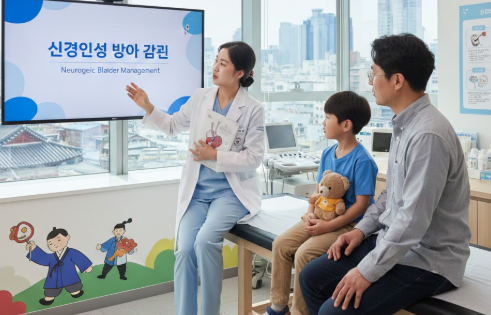
Treatment Overview
Neurogenic bladder in children is a condition where nerve damage or congenital abnormalities interfere with normal bladder function, causing incontinence, urinary retention, or recurrent infections. Pediatric management focuses on early diagnosis, tailored treatment, and long-term monitoring to ensure proper urinary and kidney health.
In Korea, specialized pediatric urology clinics provide comprehensive care for children with neurogenic bladder, including diagnostics, bladder training, catheterization guidance, medications, minimally invasive therapies, and surgical interventions when needed.
Purpose & Benefits
H5 Key benefits of pediatric neurogenic bladder management include:
- Early detection and prevention of kidney damage and recurrent infections
- Tailored treatment plans suited for a child’s growth and development
- Structured bladder training and catheterization guidance
- Non-invasive therapy options such as pelvic floor exercises and nerve stimulation
- Access to minimally invasive or surgical interventions if necessary
- Improved bladder control, continence, and quality of life
- Support for families and caregivers in long-term bladder management
- Multidisciplinary care combining urology, nephrology, and rehabilitation
Comprehensive management ensures both functional and psychological well-being of pediatric patients.
Ideal Candidates
H5 Pediatric patients suitable for neurogenic bladder management include:
- Children with congenital conditions like spina bifida or myelomeningocele
- Children with acquired neurological injuries affecting bladder function
- Those with recurrent urinary tract infections or incontinence
- Children showing abnormal voiding patterns or incomplete bladder emptying
- Pediatric patients needing structured therapy, medications, or surgical evaluation
- Children and families seeking expert, multidisciplinary care in Korea
Korean clinics provide individualized programs for children of all ages.
Possible Risks & Complications
H5 While management is generally safe, potential risks include:
- Urinary tract infections from catheterization or invasive procedures
- Discomfort or mild irritation during diagnostic tests or catheter use
- Medication side effects such as constipation or dry mouth
- Rare complications from minimally invasive procedures or surgery
- Psychological stress for children and families
Korean specialists ensure safety with careful monitoring, family counseling, and age-appropriate care.
Techniques & Technology Used
H5 Advanced pediatric neurogenic bladder management techniques in Korea include:
Urodynamic Evaluation
- Measures bladder pressure, capacity, and function
- Guides individualized treatment plans
Bladder Training & Behavioral Therapy
- Timed voiding schedules and bladder diaries
- Teaching children proper techniques for emptying
Catheterization Guidance
- Intermittent or indwelling catheterization for safe bladder emptying
- Training for children and caregivers on hygiene and technique
Medications
- Anticholinergics or beta-3 agonists for overactive bladder
- Adjusted for pediatric dosing and safety
Botox or Nerve Stimulation Therapy
- Minimally invasive treatment for children not responding to medications
- Sacral nerve stimulation (SNS) or percutaneous tibial nerve stimulation (PTNS)
Surgical Interventions (if required)
- Bladder augmentation or urinary diversion for severe cases
- Sling procedures or artificial urinary sphincter in select patients
Follow-Up & Monitoring Technology
- Advanced imaging, ultrasound, and lab tests
- Ensures kidney health and effective bladder function
Treatment Process in Korea
H5 Step 1: Initial Pediatric Consultation
- Specialists review medical history, symptoms, and prior treatments
H5 Step 2: Diagnostic Assessment
- Includes urodynamics, imaging, lab tests, and physical examination
H5 Step 3: Individualized Management Plan
- Combination of bladder training, catheterization, medications, and therapy
- Surgical planning if necessary
H5 Step 4: Implementation
- Guided therapy, family education, and device training for children
H5 Step 5: Regular Follow-Up
- Monitoring bladder and kidney health, therapy progress, and treatment adjustments
H5 Step 6: Long-Term Management
- Ensures growth-appropriate care, independence, and prevention of complications
Recovery & After-Care
H5 Pediatric management includes:
- Education for children and caregivers on bladder care and hygiene
- Home-based bladder training and catheterization support
- Regular follow-up visits to monitor function and growth
- Adjustment of therapy or medications as needed
- Psychological support for children to improve compliance and confidence
Early intervention and consistent after-care improve long-term outcomes.
Results & Longevity
H5 Expected outcomes include:
- Improved continence and bladder control
- Reduced risk of urinary tract infections and kidney complications
- Enhanced quality of life for children and families
- Long-term bladder health and independence
- Positive impact on psychological well-being
- Ongoing monitoring ensures adjustments as the child grows
Comprehensive Korean pediatric programs provide excellent long-term results.
Why Korea Is a Top Destination
H5 Korea is a leading destination for pediatric neurogenic bladder management due to:
- Experienced pediatric urologists and multidisciplinary teams
- Advanced diagnostic and therapeutic technologies
- Minimally invasive treatments tailored for children
- Family-centered care with guidance and support
- Competitive costs compared to Western countries
- Short waiting times and efficient international patient services
- Multidisciplinary follow-up including rehabilitation and nephrology
Children benefit from expert care, modern facilities, and a safe, supportive environment.
Cost Range
H5 Estimated costs in Korea:
- Pediatric Consultation & Diagnostics: $150–$400
- Urodynamic Evaluation: $200–$400
- Bladder Training & Therapy Sessions: $50–$150 per session
- Catheterization Supplies (monthly): $50–$100
- Botox or Nerve Stimulation Therapy: $1,000–$2,000 per session
- Surgical Interventions: $5,000–$15,000 depending on procedure
- Complete Pediatric Management Package: $1,000–$10,000
Costs vary based on hospital, therapy intensity, and international patient support.
Popular Clinics in Korea
H5 Leading clinics for pediatric neurogenic bladder management include:
- Seoul National University Hospital (SNUH) Pediatric Urology
- Samsung Medical Center Pediatric Urology
- Asan Medical Center Pediatric Urology
- Severance Hospital (Yonsei University) Pediatric Urology
- Mirae Urology & Pelvic Health Clinic
- CHA Children’s Hospital Urology Center
- Wooridul Pediatric Urology Center
- Seoul Urology & Pelvic Health Clinic
These institutions provide expert pediatric care, advanced diagnostics, and comprehensive follow-up programs.


