
Treatment Overview
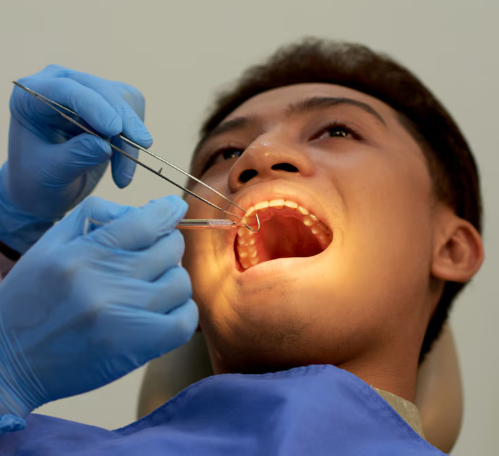
Non-Surgical Root Canal Treatment in Korea is a conservative and highly effective dental procedure performed to save a tooth that has been severely decayed, infected, or damaged, without the need for surgical intervention. This treatment involves removing the infected pulp, cleaning and disinfecting the root canal system, and then sealing it to prevent reinfection—all performed through the natural tooth crown, without incisions or gum surgery.
Korean dental clinics are globally recognized for their pain-free, precise, and technologically advanced root canal treatments. Using microscope-guided endodontics, 3D CBCT imaging, ultrasonic cleaning, and bioceramic sealing materials, Korean endodontists ensure complete disinfection and restoration while preserving the natural tooth structure.
This non-surgical approach provides a comfortable, efficient, and long-lasting solution, allowing patients to retain their natural teeth with minimal discomfort and maximum safety.
Purpose & Benefits
Purpose
- To remove infected or necrotic pulp tissue from within the tooth.
- To disinfect the root canal system and prevent reinfection.
- To preserve the natural tooth structure and function.
- To eliminate pain and stop the spread of infection to surrounding tissues.
- To restore dental health without surgical intervention.
Benefits
- Minimally Invasive: No incisions or surgical exposure required.
- Pain-Free Procedure: Modern anesthesia and digital tools ensure comfort.
- Tooth Preservation: Maintains the natural tooth for normal function and aesthetics.
- Fast Recovery: Minimal downtime and immediate relief after treatment.
- Highly Effective: Advanced cleaning and sealing techniques ensure lasting success.
- Cost-Effective: Less expensive and complex than surgical alternatives.
Korean clinics offer precision-based, patient-friendly root canal therapy that combines digital innovation with clinical expertise for superior results.
Ideal Candidates
Ideal Candidates Include:
- Patients suffering from tooth pain, sensitivity, or swelling due to deep decay.
- Individuals with pulp infections or abscesses localized within the tooth.
- Those with cracked or traumatized teeth causing nerve exposure.
- Patients with discolored teeth resulting from pulp damage.
- Individuals seeking tooth preservation without surgery.
Non-surgical root canal therapy is suitable for anyone wishing to save their natural tooth in a minimally invasive, comfortable, and efficient manner.
Possible Risks & Considerations
Although safe and effective, non-surgical root canal therapy may involve a few minor considerations:
- Temporary Sensitivity: Mild tenderness may occur for a day or two after treatment.
- Incomplete Cleaning (Rare): Hidden canals may occasionally require retreatment.
- Tooth Weakness: Crown placement is recommended afterward to prevent fractures.
Korean dental specialists minimize these risks by using microscopic imaging, 3D scans, and AI-guided canal mapping, ensuring precision and complete infection removal.
Techniques Used
Korean endodontic clinics combine digital technology, microscopic magnification, and advanced materials to perform root canal treatments with exceptional precision.
Common Techniques Include:
- 3D CBCT Imaging: Provides detailed visualization of root anatomy and infection.
- Microscope-Guided Access: Enables accurate and conservative entry into the canal.
- Rotary NiTi Instruments: Efficiently clean and shape canals with minimal trauma.
- Ultrasonic Irrigation: Enhances cleaning and removes debris from complex canal spaces.
- Laser or Chemical Disinfection: Sterilizes canals at microscopic levels.
- Bioceramic Sealing: Creates a long-lasting, biocompatible seal for canal closure.
These techniques ensure precise, painless, and long-term success in every non-surgical root canal case.
Recovery & Aftercare
Recovery after non-surgical root canal therapy in Korea is typically fast and comfortable.
Aftercare Guidelines:
- Avoid chewing hard or sticky foods for 24–48 hours post-treatment.
- Take mild pain relievers if needed for temporary soreness.
- Maintain good oral hygiene but brush gently near the treated area.
- Schedule a follow-up appointment for restoration (crown or filling).
- Visit the dentist every six months for checkups and preventive care.
Following these guidelines helps ensure smooth healing and lasting tooth preservation.
Results & Longevity
Expected Results:
- Immediate pain relief and infection elimination.
- Restoration of full tooth function and comfort.
- Long-term protection from reinfection.
- Natural tooth preservation for many years.
Longevity:
Non-surgical root canal therapy performed in Korean clinics has a success rate exceeding 95%, with treated teeth lasting 15–25 years or longer when properly restored and maintained.
Treatment Process in Korea
Step-by-Step Process:
- Consultation & Digital Diagnosis: 3D imaging and X-rays used to assess infection depth and canal anatomy.
- Local Anesthesia: Ensures a completely pain-free experience.
- Access Opening: A small hole is made in the tooth crown to reach the pulp chamber.
- Cleaning & Shaping: Rotary instruments and ultrasonic tools remove infected tissue and debris.
- Disinfection: Laser or chemical irrigants sterilize the entire canal system.
- Sealing: The canal is filled and sealed with bioceramic material.
- Final Restoration: A filling or crown restores strength and function to the tooth.
This systematic and high-precision process reflects Korea’s excellence in digital and conservative endodontic care.
Why Korea Is a Top Destination
- Advanced Digital Dentistry: Incorporates CBCT, microscopes, and AI-guided canal navigation.
- Experienced Endodontists: Highly skilled specialists in conservative, non-surgical treatments.
- Pain-Free Procedures: Latest anesthesia and laser systems ensure patient comfort.
- High Success Rates: Achieved through precision cleaning and sealing technologies.
- Integrated Restorative Care: Seamless transition from root canal to crown restoration.
- Affordable Global Quality: Premium dental care at competitive international pricing.
Korea’s blend of innovation, expertise, and patient-centered care makes it a global leader in non-surgical endodontic treatment.
Unique Korean Methods & Technology
- AI-Based Root Canal Mapping: Automatically detects hidden or extra canals.
- Microscopic & Laser Integration: Combines visual precision with deep disinfection.
- Digital Apex Locators: Ensures exact canal measurement and complete filling.
- 3D Bioceramic Sealing Systems: Provides superior sealing and healing potential.
- Same-Day Digital Crown Integration: Immediate restoration for post-RCT protection.
These advancements make Korean non-surgical root canal therapy faster, cleaner, and more durable than conventional methods.
Cost Range
The cost of Non-Surgical Root Canal Treatment in Korea depends on the tooth’s location, number of canals, and clinic technology.
- Single-Rooted Tooth (Front): ₩400,000 – ₩700,000 (USD $300 – $530)
- Premolar (Two Canals): ₩700,000 – ₩1,000,000 (USD $530 – $750)
- Molar (Three or More Canals): ₩1,200,000 – ₩1,800,000 (USD $900 – $1,350)
- Comprehensive Package (RCT + 3D Imaging + Crown): ₩2,000,000+ (USD $1,500+)
Most Korean clinics include consultation, anesthesia, imaging, and sealing in complete treatment packages.
Popular Clinics
- Seoul National University Dental Hospital (Endodontic Department): Expert in digital and non-surgical endodontic procedures.
- Yonsei University Severance Dental Hospital: Specializes in pain-free, precision root canal treatments using CBCT imaging.
- Asan Medical Center Dental Clinic: Offers advanced laser-assisted and microscopic non-surgical RCT.
- Samsung Medical Dental Center: Integrates AI-guided canal navigation with bioceramic sealing.
- MizMedi Dental Clinic: Focused on efficient, comfortable, and aesthetic non-surgical root canal therapy.


