
Treatment Overview
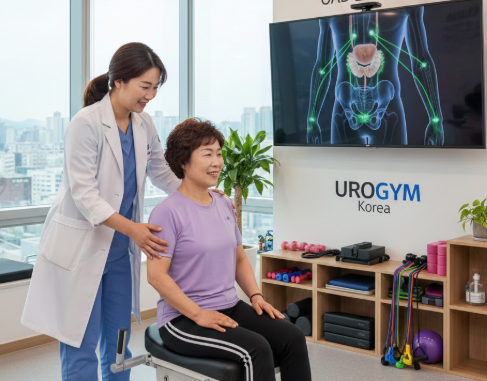
Overactive bladder (OAB) is a condition characterized by sudden urges to urinate, frequent urination, nocturia, and sometimes urinary incontinence. Pelvic floor muscle training (PFMT), commonly known as Kegel exercises, is a key non-invasive treatment for OAB. In Korea, PFMT is provided as part of a structured therapy program under the guidance of experienced urologists and physiotherapists. This therapy strengthens the muscles that support bladder control, improving urinary function and reducing incontinence.
Purpose & Benefits
The primary goal of pelvic floor muscle training is to enhance bladder control by strengthening the pelvic floor muscles.
Key benefits of PFMT for OAB in Korea include:
- Reduced urinary urgency, frequency, and incontinence episodes.
- Non-invasive, safe, and effective for long-term bladder control.
- Suitable for men and women of all ages.
- Can be combined with medication or behavioral therapy for enhanced results.
- Improves core strength, sexual health, and pelvic stability.
PFMT is particularly beneficial for patients who wish to avoid medications or invasive procedures.
Ideal Candidates
PFMT is recommended for individuals who:
- Experience mild to moderate OAB symptoms, including urgency and urinary leakage.
- Prefer non-invasive therapies or want to complement existing treatments.
- Are motivated to engage in regular exercise and follow a structured program.
- Have pelvic floor weakness due to childbirth, surgery, aging, or neurological conditions.
Both men and women can benefit, and therapy plans are tailored based on age, severity of symptoms, and overall health.
Possible Risks & Complications
Pelvic floor muscle training is generally safe with minimal risk of complications. Potential considerations include:
- Temporary muscle soreness in the pelvic area.
- Difficulty performing exercises correctly without proper guidance.
- Slow progress if exercises are not performed consistently.
Korean clinics provide professional supervision, instruction, and biofeedback technology to ensure proper technique and effective results.
Techniques & Technology Used
Korean hospitals and physiotherapy centers use a combination of traditional exercises and advanced technology for PFMT:
- Kegel Exercises: Targeted contraction and relaxation of pelvic floor muscles.
- Biofeedback Therapy: Sensors monitor muscle activity and provide real-time feedback to improve performance.
- Electrical Stimulation: Mild electrical impulses may be used to stimulate pelvic floor muscles for patients with severe weakness.
- Digital Apps & Tracking Tools: Support patient adherence by providing reminders and tracking progress.
- Combination Therapy: Often integrated with bladder training, behavioral therapy, and lifestyle modifications.
This combination ensures patients achieve optimal strength, coordination, and bladder control.
Treatment Process in Korea
The PFMT process in Korea is structured and patient-focused:
- Initial Consultation: Evaluation of symptoms, medical history, and pelvic health.
- Pelvic Assessment: Physical examination and sometimes imaging to assess muscle strength and function.
- Exercise Program Development: Personalized plan including exercises, frequency, and intensity.
- Supervised Training: Initial sessions guided by physiotherapists or urologists to ensure correct technique.
- Home Program & Follow-Up: Patients continue exercises at home, with regular follow-ups to monitor progress and adjust the program.
International patients are supported with English-speaking coordinators, instructional materials, and online consultation options for continuity of care.
Recovery & After-Care
Recovery from PFMT is gradual and focuses on building long-term muscle strength:
- Patients may notice improvement in urinary control within 4–8 weeks.
- Continued exercises are necessary for sustained results.
- Biofeedback and supervised sessions help maintain proper technique.
- Lifestyle adjustments such as bladder training, fluid management, and diet modification enhance outcomes.
Korean clinics provide comprehensive after-care, including digital support and follow-up appointments to ensure adherence and long-term success.
Results & Longevity
Patients engaging in PFMT in Korea often experience:
- Improved bladder control and reduced incontinence.
- Decreased urinary urgency and frequency.
- Better sleep quality due to fewer nocturia episodes.
- Enhanced pelvic health and core strength.
- Sustainable results with consistent exercise and follow-up.
PFMT offers a safe, long-lasting, and effective solution for managing OAB, especially when combined with other therapies.
Why Korea Is a Top Destination
Korea is a leading destination for PFMT and OAB management due to:
- Expert Physiotherapists & Urologists: Skilled professionals trained in advanced pelvic health techniques.
- Advanced Technology: Biofeedback, electrical stimulation, and digital tools enhance therapy effectiveness.
- Integrated Care: Combination of PFMT with behavioral therapy, medication, and lifestyle counseling.
- International Patient Support: English-speaking coordinators, online consultation, and hospital navigation assistance.
- Cost-Effective Therapy: High-quality treatment at competitive prices for international patients.
Patients benefit from world-class care in a supportive environment, ensuring effective symptom management and improved quality of life.
Cost Range
The cost of PFMT in Korea varies depending on hospital and therapy type:
- Initial consultation: $100 – $200
- Supervised PFMT sessions: $50 – $150 per session
- Biofeedback or electrical stimulation therapy: $100 – $200 per session
- Comprehensive therapy packages: $500 – $1,500 including consultations, supervised sessions, and follow-up
Korean hospitals offer packages for international patients that combine evaluation, treatment, and follow-up for convenience and transparency.
Popular Clinics in Korea
Top hospitals and clinics for PFMT and OAB management include:
- Samsung Medical Center, Seoul
- Asan Medical Center, Seoul
- Severance Hospital (Yonsei University), Seoul
- Seoul National University Hospital, Seoul
- CHA Bundang Medical Center, Seongnam
These institutions provide internationally accredited care, specialized urology and physiotherapy departments, and English-speaking support for international patients seeking effective OAB treatment.


