
Treatment Overview
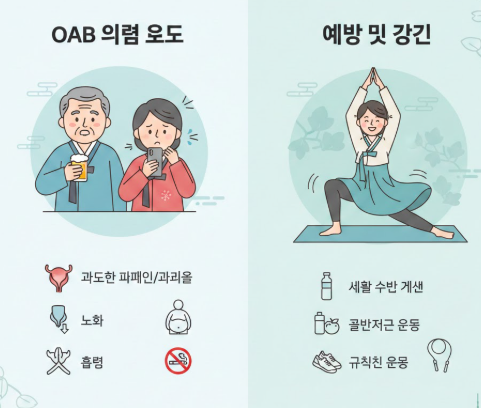
Overactive bladder (OAB) is a condition characterized by urinary urgency, frequency, nocturia, and urge incontinence. Preventive strategies and early management are essential to reduce symptom severity and improve quality of life. In Korea, healthcare providers offer specialized programs for OAB prevention, focusing on lifestyle modifications, education, early diagnosis, and risk factor management for both local and international patients.
Purpose & Benefits
The purpose of OAB prevention programs is to reduce the incidence and progression of OAB symptoms, support bladder health, and minimize the need for intensive treatment.
Key benefits include:
- Reducing the frequency and severity of OAB symptoms.
- Preventing urinary incontinence and nocturia.
- Supporting long-term bladder function through education and lifestyle adjustments.
- Minimizing complications such as urinary tract infections or kidney issues.
- Providing international patients with preventive strategies before symptoms become severe.
Prevention programs in Korea combine medical guidance with patient education for effective, sustainable bladder health.
Ideal Candidates
OAB prevention programs are suitable for individuals who:
- Have risk factors that increase susceptibility to OAB.
- Experience early or mild OAB symptoms.
- Are post-pregnancy or post-menopausal women at risk of bladder dysfunction.
- Have neurological disorders or diabetes that may affect bladder control.
- Are interested in lifestyle modifications to maintain bladder health.
These programs are ideal for men and women of all ages seeking proactive care or guidance on bladder health.
Possible Risks & Complications
OAB prevention strategies are generally safe with minimal risk. However, considerations include:
- Over-exercise of pelvic floor muscles can cause discomfort if not performed correctly.
- Dietary adjustments may need supervision to ensure nutritional adequacy.
- Mismanagement of fluid intake may lead to dehydration or urinary concentration issues.
Korean clinics provide professional guidance to avoid complications and ensure safe preventive care.
Techniques & Technology Used
Korean OAB prevention programs utilize a combination of evidence-based methods and technology:
- Behavioral Therapy & Bladder Training: Scheduled voiding, timed urination, and habit modification.
- Pelvic Floor Muscle Training (PFMT): Exercises with biofeedback to strengthen bladder support and prevent incontinence.
- Lifestyle Guidance: Weight management, diet modifications, fluid management, and physical activity recommendations.
- Digital Monitoring: Apps for tracking urinary habits, fluid intake, and symptom patterns.
- Early Screening & Diagnostics: Urinalysis, bladder ultrasound, and urodynamic studies to identify early dysfunction.
- Patient Education: Informative sessions about risk factors, warning signs, and preventive strategies.
These programs empower patients to maintain bladder health and reduce the likelihood of developing severe OAB.
Treatment Process in Korea
The preventive and risk management process in Korea typically includes:
- Initial Assessment: Evaluation of medical history, lifestyle, and early urinary symptoms.
- Identification of Risk Factors: Assessing conditions such as obesity, diabetes, neurological disorders, or past pelvic surgery.
- Personalized Prevention Plan: Tailored behavioral therapy, pelvic floor exercises, lifestyle modifications, and education.
- Regular Monitoring: Follow-up appointments and digital symptom tracking for early detection of OAB progression.
- Adjustments to Strategy: Ongoing guidance to refine lifestyle and exercise routines based on patient progress.
- Telemedicine Support: Remote guidance for international patients to continue preventive care without frequent travel.
Korean clinics ensure that preventive care is structured, monitored, and adjusted to achieve optimal results.
Recovery & After-Care
In preventive care, recovery and aftercare focus on maintaining bladder health and preventing OAB symptom onset:
- Patients receive guidance on consistent pelvic floor exercises and bladder training routines.
- Lifestyle counseling includes diet, hydration, and physical activity advice.
- Regular check-ups allow early detection of changes in bladder function.
- Teleconsultation support helps international patients continue preventive care effectively.
The goal is long-term bladder health rather than treatment of existing severe symptoms.
Results & Longevity
OAB prevention and risk management programs in Korea provide:
- Reduced likelihood of developing moderate to severe OAB.
- Improved bladder control and reduced urinary urgency or incontinence episodes.
- Early identification and management of potential bladder dysfunction.
- Long-term adherence to healthy bladder habits and lifestyle changes.
- Empowerment of patients through education and self-monitoring tools.
Structured preventive care ensures sustainable results and improved quality of life.
Why Korea Is a Top Destination
Korea is a leading destination for OAB prevention and risk management due to:
- Expert Urologists & Specialized Clinics: Professionals experienced in early intervention and bladder health education.
- Advanced Screening Tools: Digital monitoring, biofeedback, and early diagnostic technologies.
- Comprehensive Programs: Integration of lifestyle guidance, therapy, education, and follow-up care.
- International Patient Services: English-speaking coordinators, telemedicine, and medical tourism support.
- Cost-Effective High-Quality Care: Affordable programs with internationally recognized standards for preventive urology.
Patients benefit from early intervention, personalized plans, and expert guidance to maintain bladder health.
Cost Range
The cost for OAB prevention and risk management in Korea varies depending on program scope:
- Initial assessment and consultation: $100 – $200
- Pelvic floor training sessions: $50 – $150 per session
- Lifestyle and behavioral therapy: $50 – $150 per session
- Digital monitoring support: $50 – $100 per month
- Comprehensive prevention packages (consultation, therapy, follow-up, education): $300 – $1,000
These packages offer international patients structured, cost-transparent preventive care for long-term bladder health.
Popular Clinics in Korea
Top hospitals and clinics offering OAB preventive programs include:
- Samsung Medical Center, Seoul
- Asan Medical Center, Seoul
- Severance Hospital (Yonsei University), Seoul
- Seoul National University Hospital, Seoul
- CHA Bundang Medical Center, Seongnam
These institutions provide internationally accredited care, specialized urology departments, and comprehensive preventive programs.


