
Treatment Overview
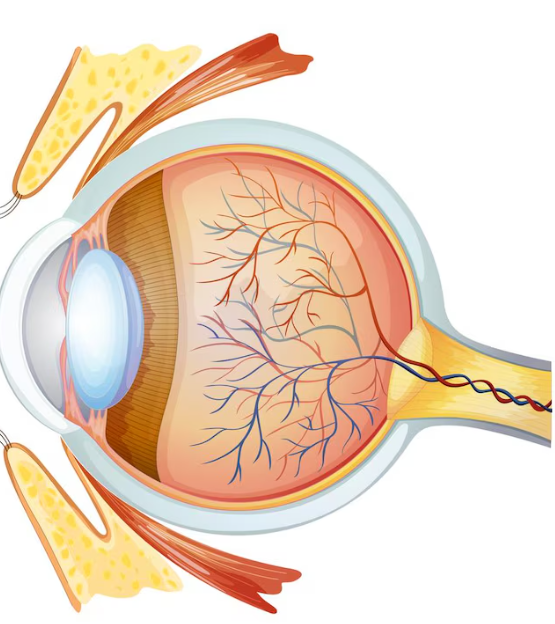
Ocular Surface Reconstruction Surgery in Korea is an advanced surgical procedure designed to repair, restore, and regenerate the corneal and conjunctival surfaces that have been damaged by chronic Dry Eye Syndrome, inflammation, trauma, or previous ocular surgery. This treatment aims to rebuild the natural tear film environment, improve epithelial healing, and re-establish ocular surface integrity for long-term comfort and vision stability.
Korean ophthalmologists employ AI-guided ocular imaging, microsurgical techniques, and biologic regenerative materials—including amniotic membrane grafts, autologous serum, and stem cell-derived tissue substitutes—to reconstruct damaged tissue with exceptional precision. The surgery is often combined with tear film rehabilitation therapies, mucin secretagogues, and growth factor eye drops to enhance recovery and long-term outcomes.
Ocular Surface Reconstruction Surgery in Korea represents the pinnacle of modern ocular medicine — merging surgical excellence with regenerative science to restore visual clarity, comfort, and corneal health.
Purpose & Benefits
Purpose
- Repair and regenerate damaged corneal and conjunctival tissues.
- Restore natural tear film stability and ocular surface health.
- Reduce inflammation, scarring, and epithelial irregularities.
- Enhance epithelial cell regeneration and mucin secretion.
- Improve vision, hydration, and overall ocular comfort.
Benefits
- Comprehensive Repair: Rebuilds the ocular surface structure and function.
- Biologic Regeneration: Uses amniotic and autologous tissues for natural healing.
- Long-Term Protection: Prevents further damage from dryness or inflammation.
- Improved Vision Quality: Restores corneal smoothness and transparency.
- Safe & Effective: Performed by expert corneal surgeons using AI-assisted precision.
- Enhanced Healing: Integrated with regenerative and pharmacologic therapies.
Ideal Candidates
Ocular Surface Reconstruction Surgery in Korea is ideal for:
- Patients with severe or advanced Dry Eye Syndrome unresponsive to conventional therapy.
- Individuals with corneal epithelial defects, scarring, or conjunctival damage.
- Post-surgical patients (LASIK, PRK, cataract) with chronic surface instability.
- Those with autoimmune conditions (e.g., Sjögren’s Syndrome, Stevens-Johnson Syndrome).
- Patients seeking long-term restoration of tear film and ocular surface integrity.
Possible Risks & Complications
This surgery is highly advanced and performed under meticulous precision, though mild temporary side effects may occur:
- Redness and Mild Irritation: Common during the initial healing phase.
- Temporary Blurred Vision: Due to healing of corneal tissue.
- Mild Sensitivity: Relieved with medicated eye drops and lubricants.
- Rare Graft Displacement or Infection: Minimized with sterile technique and proper aftercare.
Korean clinics maintain high safety standards through AI-monitored surgical planning, sterile biologic grafting, and customized post-operative rehabilitation.
Techniques & Technology Used
Core Techniques
- AI-Guided Corneal Mapping: Evaluates tissue damage and surgical planning.
- Amniotic Membrane Transplantation: Provides a biologic scaffold for epithelial regeneration.
- Limbal Stem Cell Transplantation: Restores surface epithelium and promotes healing.
- Conjunctival Autografting: Repairs scarring and restores ocular surface balance.
- Autologous Serum Eye Drop Integration: Accelerates epithelial recovery.
- Regenerative Growth Factor Therapy: Enhances healing and reduces inflammation.
These advanced microsurgical and biologic techniques make Ocular Surface Reconstruction Surgery in Korea one of the most comprehensive and regenerative solutions for severe dry eye and ocular surface disease.
Treatment Process in Korea
Step-by-Step Workflow
Step 1 – Diagnostic Evaluation:
AI-based corneal topography, tear film analysis, and ocular surface imaging determine damage extent and surgical requirements.
Step 2 – Surgical Preparation:
Anesthetic drops and sterile draping ensure comfort and precision.
Step 3 – Surface Reconstruction:
Damaged tissue is carefully removed, and biologic grafts or membranes are placed to promote healing and restore smoothness.
Step 4 – Stabilization:
The graft is secured using bio-adhesive or microsutures, followed by protective bandage contact lenses.
Step 5 – Regenerative Aftercare:
Post-surgical treatment includes antibiotic, anti-inflammatory, and regenerative eye drops to ensure rapid recovery.
Procedure Duration: 45–90 minutes per eye
Recovery Period: Functional improvement within 2–3 weeks; full healing in 1–3 months.
Recovery & After-Care
After-Care Guidelines
- Use prescribed medications and lubricants as directed.
- Avoid rubbing the eyes or applying pressure.
- Wear UV-protective eyewear outdoors.
- Maintain eyelid hygiene and hydration.
- Attend follow-up visits for healing assessment and tear film evaluation.
Recovery Timeline
- Week 1: Reduced redness and irritation; early graft integration.
- Weeks 2–4: Tear film and epithelial stability improve.
- 1–3 Months: Full surface recovery and enhanced comfort achieved.
- 6 Months and Beyond: Long-term ocular stability and visual clarity maintained.
Results & Longevity
Expected Results
- Complete repair and regeneration of ocular surface tissue.
- Stable tear film and reduced dryness.
- Enhanced visual clarity and reduced inflammation.
- Long-term protection against recurrent surface damage.
Longevity
Ocular Surface Reconstruction Surgery offers permanent or long-lasting results, depending on the underlying condition and maintenance care.
Korean clinics report over 90% improvement in tear film stability, epithelial healing, and patient comfort, with sustained benefits for years post-surgery.
Why Korea Is a Top Destination
Korea is a global leader in corneal and ocular surface surgery, offering the highest standards of precision, safety, and innovation through advanced biologic and regenerative medicine.
- AI-Calibrated Microsurgical Systems: Ensure unparalleled accuracy and safety.
- Regenerative Science Integration: Combines surgery with biologic healing technology.
- Expert Corneal Surgeons: Specializing in complex ocular surface restoration.
- Comprehensive Care: Includes diagnosis, surgery, and long-term rehabilitation.
- Global Innovation Leadership: Korean clinics are renowned for advanced ocular surface reconstruction outcomes.
Unique Korean Methods & Technology
- AI-Based Corneal Imaging and Surgical Planning
- Amniotic and Stem Cell Graft Integration
- Bio-Adhesive and Suture-Free Fixation Systems
- Regenerative and Autologous Serum Aftercare
- Post-Surgical Tear Film Rehabilitation Programs
- Long-Term Ocular Surface Stability Monitoring
These innovations make Ocular Surface Reconstruction Surgery in Korea one of the most advanced and effective treatments for severe dry eye and ocular surface disease worldwide.
Cost Range
| Treatment Package | Price (KRW) | Approx. USD | Inclusions |
|---|---|---|---|
| Standard Ocular Surface Repair | ₩2,000,000 – ₩3,500,000 | ~$1,400 – $2,500 | Basic ocular surface reconstruction with amniotic graft |
| Regenerative Reconstruction Surgery | ₩4,000,000 – ₩6,000,000 | ~$2,850 – $4,300 | Biologic grafting with regenerative eye drop and growth factor integration |
| Premium AI-Guided Ocular Surface Program | ₩6,500,000 – ₩9,000,000+ | ~$4,600 – $6,400+ | AI-based microsurgical reconstruction with autologous serum and full recovery care plan |
Pricing may vary depending on procedure type, biologic materials used, and surgeon expertise.
Popular Clinics in Korea
- B&VIIT Eye Center (Seoul): Expert in ocular surface reconstruction using amniotic and stem cell grafts.
- Dream Eye Center (Seoul): Specialized in regenerative corneal repair and biologic tissue restoration.
- BGN Eye Clinic (Busan & Seoul): Offers AI-guided reconstruction with autologous and regenerative therapy.
- Glory Seoul Eye Clinic: Renowned for advanced ocular surface surgery and long-term tear film rehabilitation.
- K-Cure Vision Center (Gangnam): Pioneers in biologic and AI-based corneal reconstruction techniques.


