
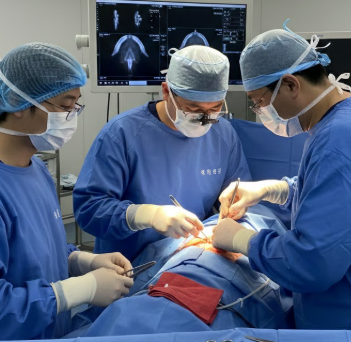
Treatment Overview
Open bladder cancer surgery is a traditional surgical approach that involves the removal of the bladder and surrounding tissues through a larger abdominal incision. In Korea, this procedure is performed by highly experienced urologic oncology surgeons who follow international standards of cancer care. Open surgery remains an important option for patients with large, complex, or locally advanced tumors that are not suitable for minimally invasive techniques like laparoscopic or robotic surgery. Korean hospitals integrate meticulous surgical planning, high-resolution imaging, and comprehensive perioperative care to ensure optimal oncologic and functional outcomes.
Open bladder cancer surgery may involve radical cystectomy (complete removal of the bladder), partial cystectomy (removal of a specific tumor segment), lymph node dissection, and urinary reconstruction such as neobladder creation or ileal conduit diversion.
Purpose & Benefits
The primary purpose of open bladder cancer surgery is complete removal of cancerous tissue to achieve curative outcomes while preventing recurrence and metastasis. Key benefits include:
– Ability to manage large or complex tumors effectively
– Direct visualization of surrounding structures, which enhances surgical precision
– Comprehensive lymph node removal for accurate staging
– Feasibility for advanced reconstructive procedures (neobladder, ileal conduit)
– High oncologic control with established long-term outcomes
Although open surgery involves larger incisions and longer recovery than minimally invasive techniques, it remains a reliable option for certain high-risk or advanced cases.
Ideal Candidates
Open bladder cancer surgery is typically recommended for:
– Patients with large or multifocal bladder tumors
– Individuals with locally advanced or invasive bladder cancer
– Patients unsuitable for laparoscopic or robotic surgery due to anatomical or medical reasons
– Individuals requiring complex urinary reconstruction
– Patients with prior abdominal surgeries or scar tissue that complicates minimally invasive approaches
Each patient undergoes a thorough diagnostic workup including cystoscopy, imaging, biopsy, and lab tests to confirm suitability for open surgery.
Possible Risks & Complications
As with all major surgeries, open bladder cancer surgery carries potential risks, including:
– Bleeding and infection
– Urinary leakage from reconstruction sites
– Temporary or long-term changes in urinary function
– Damage to surrounding organs or nerves
– Blood clots or anesthesia-related complications
– Stoma-related issues for ileal conduit patients
– Delayed recovery due to larger incision
Korean hospitals employ strict surgical protocols, infection control measures, and postoperative monitoring to minimize these risks.
Techniques & Technology Used
Even as a traditional approach, open bladder cancer surgery in Korea incorporates modern surgical and diagnostic support technologies:
– Open Radical Cystectomy: Complete removal of the bladder and surrounding lymph nodes
– Partial Cystectomy: Removal of localized tumor segments while preserving healthy bladder tissue
– Urinary Reconstruction: Neobladder, ileal conduit, or continent reservoirs
– Intraoperative Frozen Section Analysis: Confirms complete tumor removal
– Advanced Imaging: Preoperative CT, MRI, or PET scans to guide surgical planning
– Enhanced Recovery Protocols: Optimizes postoperative care despite the larger incision
This combination ensures precise tumor excision while maximizing functional outcomes.
Treatment Process in Korea
International patients undergo a structured and supportive care pathway:
- Pre-Arrival Consultation: Hospitals review medical records and imaging, provide cost estimates, and plan logistics.
- Diagnostic Workup: Includes cystoscopy, CT/MRI scans, urine cytology, and biopsy.
- Multidisciplinary Planning: Oncologists, urologists, and radiologists develop an individualized surgical plan.
- Surgery: Open bladder surgery is performed, often combined with lymph node dissection and urinary reconstruction.
- Postoperative Care: Pain management, early mobilization, infection prevention, and monitoring of urinary function.
- Hospital Discharge: Typical hospital stay ranges from 10–14 days depending on recovery.
- Follow-Up: Regular cystoscopy, imaging, and lab monitoring ensure long-term cancer control.
Recovery & After-Care
Recovery from open bladder cancer surgery is generally longer than minimally invasive procedures due to the larger incision and greater tissue trauma. Typical recovery milestones in Korea include:
– Hospital stay of 10–14 days
– Urinary catheter management for 1–2 weeks
– Gradual reintroduction of diet within 2–3 days
– Early mobilization to reduce complications
– Full return to routine activities in 6–8 weeks
– Bladder rehabilitation or stoma care guidance for long-term functional maintenance
Korean hospitals provide structured follow-up care and education to ensure optimal recovery.
Results & Longevity
Open bladder cancer surgery has a long history of proven oncologic efficacy. Korean hospitals report:
– High survival rates for patients with localized or muscle-invasive tumors
– Reliable tumor removal with low recurrence rates when combined with careful follow-up
– Strong functional outcomes when reconstruction procedures are performed
– Effective long-term quality of life support through structured rehabilitation
Patient outcomes are comparable to minimally invasive methods for complex or advanced cases that are unsuitable for robotic or laparoscopic surgery.
Why Korea Is a Top Destination
Korea attracts international patients for open bladder cancer surgery due to:
– Experienced urologic oncology surgeons with high surgical volumes
– Advanced diagnostic and surgical support facilities
– Comprehensive perioperative care and enhanced recovery protocols
– Multilingual patient support and medical tourism coordination
– Efficient scheduling and shorter waiting times compared to Western countries
– Competitive treatment costs without compromising quality
– Strong track record of successful outcomes and low complication rates
These factors make Korea a reliable destination for major bladder cancer surgeries.
Cost Range
The cost of open bladder cancer surgery in Korea varies based on tumor complexity and reconstruction requirements:
– Open Radical Cystectomy: USD 15,000 – 25,000
– Partial Cystectomy: USD 9,000 – 18,000
– Neobladder Reconstruction: USD 25,000 – 40,000
– Ileal Conduit Diversion: USD 18,000 – 30,000
– Diagnostics and follow-up: USD 800 – 2,000
Costs generally include preoperative testing, surgery, hospitalization, postoperative care, and follow-up consultations.
Popular Clinics in Korea
Top Korean hospitals performing open bladder cancer surgery include:
– Asan Medical Center
– Samsung Medical Center
– Seoul National University Hospital
– Severance Hospital (Yonsei University Health System)
– St. Mary’s Hospital
– Korea University Anam Hospital
– Specialized urology cancer centers
These hospitals are recognized for their surgical expertise, patient safety, and support for international patients.


