
Treatment Overview
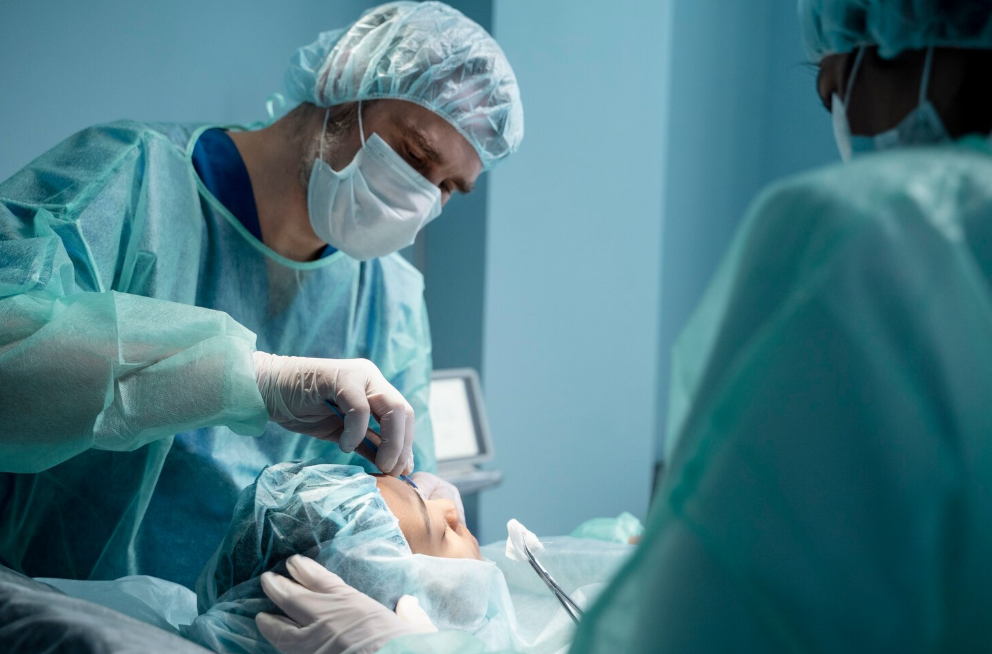
Open Cartilage Rhinoplasty in Korea is a surgical procedure where the nasal skin is lifted to allow direct visualization of the underlying cartilage and bone. This approach provides surgeons with maximum precision for reshaping, reinforcing, or augmenting the nasal structure. Often combined with cartilage grafts, it is ideal for correcting complex deformities, asymmetry, or revision cases. Korean surgeons are renowned for performing open rhinoplasty with meticulous cartilage grafting, achieving natural, long-lasting, and harmonious results.
Purpose & Benefits
- Provides precise reshaping of nasal cartilage and tip for optimal aesthetics.
- Corrects complex nasal deformities, asymmetry, or post-traumatic issues.
- Enhances tip definition, bridge height, and nasal symmetry.
- Supports structural stability, reducing the risk of post-surgical collapse.
- Allows integration of cartilage grafts for long-term durability and natural results.
Ideal Candidates
- Patients with complex nasal deformities or asymmetry.
- Individuals seeking revision rhinoplasty or structural reinforcement.
- Men or women requiring tip refinement, bridge augmentation, or functional correction.
- Patients with weak or under-projected tips.
- Those in good health with realistic expectations for long-term aesthetic and functional improvement.
Possible Risks & Complications
Although generally safe in Korea with skilled surgeons, potential risks include:
- Temporary swelling and bruising
- Minor asymmetry or irregular tip contour
- Infection (rare with proper hygiene)
- Graft displacement or resorption
- Rare need for revision surgery for complex cases
Surgical Techniques Used
Korean surgeons use advanced open rhinoplasty techniques:
- Open Approach: Incision across the columella allows direct visualization of nasal cartilage and bone.
- Cartilage Grafting: Autologous cartilage from septum, ear, or rib can be used to reinforce the tip, bridge, or lateral crura.
- Tip and Bridge Refinement: Transdomal, interdomal suturing, and columellar struts improve tip definition and projection.
- Combined Functional Procedures: Septoplasty, valve correction, or turbinate reduction can be performed simultaneously.
- Precision Korean Techniques: Focus on symmetry, natural aesthetics, and long-lasting structural stability.
Recovery & Aftercare
- Downtime: 7–10 days for initial recovery; swelling may persist 2–4 weeks.
- Stitch Removal: Typically 5–7 days post-surgery.
- Aftercare: Avoid trauma, strenuous activity, and smoking.
- Structured post-operative programs in Korea include:
- Swelling reduction therapy
- Gentle massage to maintain graft and tip shape
- Laser therapy for minimal scarring
- Regular follow-ups to monitor structural integrity and aesthetic outcomes
Results & Longevity
- Permanent improvement in nasal shape, tip definition, and structural stability.
- Natural-looking results for both masculine and feminine aesthetics.
- Full outcomes visible within 2–3 months as swelling subsides.
- Long-lasting results when performed by skilled Korean surgeons.
Treatment Process in Korea
Korea is recognized globally for open cartilage rhinoplasty due to:
- 3D Imaging & Pre-Surgery Planning: Accurate visualization of nasal structures and outcome simulation.
- Precision Cartilage Harvesting & Placement: Minimally invasive methods reduce donor site morbidity.
- Gender-Specific Design: Maintains male or female nasal aesthetics while enhancing structural support.
- Comprehensive Post-Operative Care: Swelling management, functional assessment, and follow-ups ensure optimal healing.
Why Korea is a Top Destination:
- Highly experienced surgeons specializing in open rhinoplasty and cartilage grafting.
- Advanced techniques for precision reshaping and long-term stability.
- Ability to combine aesthetic and functional improvements in one surgery.
- Full support for international patients including translators, accommodation, and airport assistance.
Cost Range
The cost of Open Cartilage Rhinoplasty in Korea depends on complexity:
- Basic Open Rhinoplasty (Tip or Bridge Only): ₩4,000,000 – ₩7,000,000 KRW ($3,000 – $5,400 USD)
- Combined Cartilage Grafting and Tip/Bridge Refinement: ₩7,000,000 – ₩12,000,000 KRW ($5,400 – $9,200 USD)
- Complex Revision or Multi-Site Surgery: ₩12,000,000 – ₩18,000,000 KRW ($9,200 – $13,800 USD)
Inclusions:
- Surgeon’s fee and anesthesia
- Clinic or hospital facilities
- Post-operative care and follow-ups
- Optional medical tourism packages including accommodation and translation
Popular Clinics in Korea
- ID Hospital (Gangnam, Seoul): Expert in open cartilage rhinoplasty with natural, long-lasting outcomes.
- Banobagi Plastic Surgery (Seoul): Specializes in complex open rhinoplasty and cartilage grafting.
- View Plastic Surgery (Seoul): Advanced 3D imaging and surgical techniques for precise tip and bridge refinement.
- DA Plastic Surgery (Seoul): Focused on structural reinforcement with natural aesthetics.
- JK Plastic Surgery (Seoul): JCI-accredited clinic with high international patient satisfaction and safety.


