
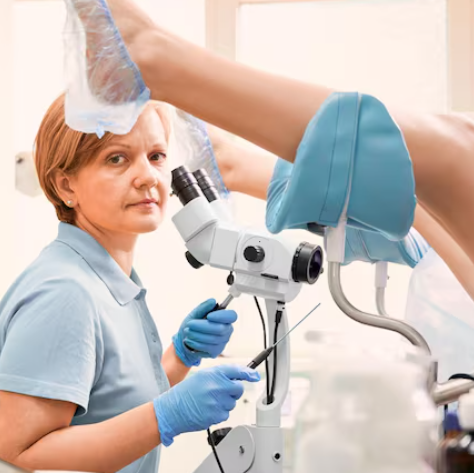
Treatment Overview
Ovarian rejuvenation with PRP (Platelet-Rich Plasma) involves collecting a patient’s own blood, isolating the platelet-rich plasma which is rich in growth factors, and injecting it into or around the ovarian tissue (typically under ultrasound guidance). The goal is to stimulate residual follicles, improve blood supply, and enhance the ovarian microenvironment. In Korea, advanced fertility centers may offer this as a complementary or experimental therapy alongside standard IVF protocols.
Purpose & Benefits
The intended purposes are to revive or enhance ovarian function in women with diminished ovarian reserve or poor response to stimulation. The proposed benefits include:
- Reactivation of dormant follicles or improved follicular responsiveness
- Improved ovarian stromal health, microvascular circulation, and reduced oxidative stress
- Modest increases in hormonal markers (e.g. AMH) or antral follicle count in some cases
- Potentially better egg yield and embryo quality in subsequent IVF cycles
- A less invasive, autologous regenerative option before proceeding to donor egg protocols
Because this therapy remains investigational, benefits are not uniformly assured and outcomes vary by individual case.
Ideal Candidates
Women who may be considered suitable for ovarian PRP include:
- Those with diminished ovarian reserve (low AMH, low antral follicle count)
- Individuals who have had poor response in previous IVF cycles
- Women with premature ovarian insufficiency (POI) but with some residual ovarian activity
- Patients wanting to attempt an autologous approach before using donor eggs
- Younger patients or those with less severe ovarian damage, for whom there is greater biological reserve
Selection must be careful and patient expectations managed realistically.
Possible Risks & Complications
- Local discomfort, soreness, or cramping at injection site
- Slight risk of bleeding or minor ovarian trauma from needle insertion
- Risk of infection (though minimal if sterile protocol is maintained)
- No guaranteed efficacy—some patients may see no measurable improvement
- Emotional cost, financial cost, and false hope risk if expectations are not aligned
- Unknown long-term effects as large-scale safety data are still limited
Because the procedure is not yet standard practice, the absence of long-term outcome data is itself a risk to consider.
Surgical / Procedural Techniques Used
- Blood draw: extraction of peripheral venous blood (often 20–30 mL or more)
- Centrifugation and concentration: to isolate platelet-rich plasma using double-spin or high-yield kits
- Activation: some protocols “activate” the PRP to release growth factors before injection
- Ultrasound-guided injection: fine needles used to deliver PRP into ovarian cortex or stroma under imaging
- Monitoring: follow-up hormonal assays, ultrasound scans of antral follicles
- Subsequent IVF or stimulation cycle to test improved ovarian responsiveness
In Korea, leading fertility centers may incorporate high-precision imaging, robotic or microinjection systems, and integrated monitoring systems to optimize delivery and safety.
Recovery & Aftercare
- Recovery is typically rapid, often outpatient — patients may rest a few hours and then resume daily tasks
- Mild cramping, pelvic discomfort, or spotting may occur for a day or two
- Follow-up includes hormonal testing (AMH, FSH, estradiol), ultrasound evaluation of follicle development
- If positive response is noted, a stimulation or IVF cycle is scheduled based on new data
- Ongoing monitoring across several cycles may be needed to assess benefit
No extended hospitalization is usually required given the minimally invasive nature of the procedure.
Results & Longevity
- Published reports globally show variable improvement in ovarian markers or follicle count in a subset of patients
- Effects, when present, may be transient, often peaking within a few menstrual cycles post-procedure
- Evidence for consistent improvements in live birth outcomes is still limited
- Because this is experimental, long-term durability and reproducibility across patients remain uncertain
- In practice, PRP may offer additive benefit when combined with conventional fertility treatments, but not a guaranteed rescue
Treatment Process in Korea
In Korea, the process (as might be offered in advanced fertility centers) could look as follows:
- Consultation & Baseline Assessment – Hormonal profiling (AMH, FSH, estradiol), ultrasound scan (antral follicle count), medical history review.
- Cycle Timing & Protocol Planning – Decide optimal timing (usually early follicular phase) for PRP injection.
- Blood Draw & PRP Preparation – Venous blood collected, centrifuged in sterile kit to concentrate platelets.
- Ultrasound-Guided Injection – Under local anesthesia or sedation, PRP is injected into ovarian tissue using fine needles guided by transvaginal ultrasound.
- Recovery & Monitoring – Short rest, then serial hormonal and ultrasound checks over coming cycles.
- Subsequent Stimulation / IVF Cycle – Use the next IVF cycle to assess whether ovarian response improves (egg yield, follicle growth).
- Evaluation & Decision Making – Analyze any changes, decide whether to repeat PRP or proceed to donor egg or other fertility treatments
Unique Korean strengths that may support better outcomes:
- State-of-the-art imaging, lab infrastructure, and sterile protocols
- Highly trained reproductive medicine specialists with precision skills
- Integration with AI / data systems that can track subtle changes and optimize timing
- A culture of medical innovation and regulatory safety oversight
- International patient services and reputation, making Korea a desirable destination for cutting-edge fertility care
Because Korea is known for excellence in reproductive medicine, combining rigorous protocols with advanced biotech, it has the potential to offer safer, more precise, and more reproducible PRP-based ovarian therapy than in many other settings.
Cost Range (Estimated)
Because ovarian PRP is not a routinely published standard, cost ranges are approximate and speculative. In other countries, clinics may charge around USD 3,000 to USD 5,000 or more for ovarian PRP as an add-on procedure.
In Korea, a premium fertility center might set a similar or somewhat higher fee depending on the complexity, imaging support, and post-procedural monitoring included.
Because PRP is still experimental, many providers offer it as an optional add-on rather than as a bundled service — expect the cost to vary depending on how much monitoring, imaging, and expert oversight is included.
Popular / Known Clinics
While few fertility centers publicly advertise ovarian PRP as a core service, some Korean clinics mention “PRP 시술” in infertility treatment portfolios:
- Seoul Miz IVF / SM-IVF includes PRP procedural references in their infertility & IVF innovation pages.
- Aisu Infertility Clinic (near Isu Station) mentions intrauterine / intraovarian PRP injections among their reproductive services.
If you like, I can attempt to identify more Korean fertility clinics (with specific reputations, published outcomes, or cost disclosures) currently offering ovarian PRP and incorporate those into an SEO-ready article. Do you want me to do that?


