
Treatment Overview
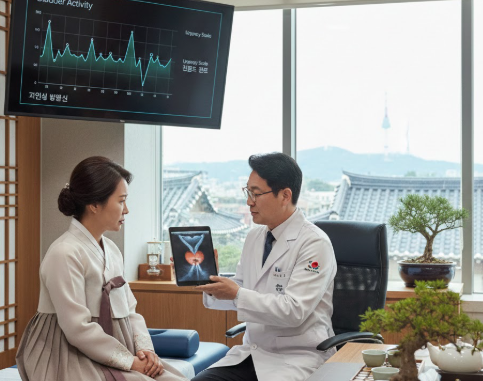
Overactive bladder (OAB) is a condition characterized by a sudden, uncontrollable urge to urinate, often accompanied by frequent urination, nocturia (waking at night to urinate), and sometimes urinary incontinence. In Korea, OAB diagnosis combines advanced urological assessments with patient-centered care to ensure accurate detection and personalized treatment plans. The diagnosis process often involves a combination of clinical evaluation, bladder function tests, and imaging studies. Korea’s medical facilities are renowned for their use of state-of-the-art technology and evidence-based protocols in managing urinary disorders.
Purpose & Benefits
The primary purpose of OAB diagnosis is to accurately identify the underlying cause of urinary urgency and frequency. Proper diagnosis allows healthcare providers to:
- Tailor effective treatment strategies, reducing symptoms and improving quality of life.
- Prevent complications such as urinary tract infections or kidney damage.
- Identify coexisting conditions like benign prostatic hyperplasia in men or pelvic organ prolapse in women.
Benefits of seeking OAB diagnosis in Korea include:
- Access to internationally accredited hospitals with highly experienced urologists.
- Advanced diagnostic tools such as urodynamic studies and bladder scans.
- Comprehensive care that integrates lifestyle assessment, medication, and follow-up plans.
Ideal Candidates
OAB diagnosis in Korea is suitable for individuals experiencing:
- Frequent urges to urinate more than eight times a day.
- Nocturia disrupting normal sleep patterns.
- Urinary leakage or incontinence triggered by sudden urgency.
- Symptoms that interfere with daily life, work, or social activities.
Both men and women of any age can benefit from evaluation, though it is particularly recommended for individuals over 40 or those with underlying conditions like diabetes, neurological disorders, or prior pelvic surgeries.
Possible Risks & Complications
Diagnostic procedures for OAB in Korea are generally safe and minimally invasive. However, some potential risks may include:
- Mild discomfort or urinary tract irritation from catheter-based tests.
- Slight bleeding or infection risk during urodynamic studies, though rare.
- Stress or anxiety associated with invasive examinations.
Healthcare providers in Korea take extensive precautions to minimize risks, including sterile techniques, thorough pre-procedure screening, and patient education.
Techniques & Technology Used
Korean medical facilities utilize a combination of traditional assessments and cutting-edge technology for OAB diagnosis:
- Medical History & Symptom Assessment: Detailed evaluation of urinary patterns, lifestyle, and medical history.
- Physical Examination: Pelvic exams for women, prostate evaluation for men, and general health check-ups.
- Urinalysis & Blood Tests: Screening for infections, kidney function, and metabolic conditions.
- Bladder Diary: Patients record voiding patterns to help physicians assess symptom severity.
- Urodynamic Testing: Measures bladder pressure, urine flow, and muscle activity to evaluate function.
- Cystoscopy: Allows direct visualization of the bladder lining to rule out structural abnormalities.
- Ultrasound & Imaging: Bladder scans, kidney ultrasounds, and sometimes MRI to detect anatomical issues.
Treatment Process in Korea
The diagnostic process in Korea is structured, patient-friendly, and efficient:
- Initial Consultation: Patients meet with a urologist to discuss symptoms, history, and lifestyle factors.
- Preliminary Tests: Basic urine tests and blood tests are conducted to rule out infections or metabolic causes.
- Bladder Function Evaluation: Urodynamic studies or bladder diaries are used to assess overactivity and capacity.
- Imaging & Cystoscopy (if needed): Provides detailed insights into bladder and urinary tract structure.
- Personalized Diagnosis: Doctors analyze results and recommend targeted treatment options.
International patients benefit from English-speaking coordinators, online consultation options, and streamlined hospital services to minimize waiting times and administrative challenges.
Recovery & After-Care
Recovery and after-care focus on symptom management and lifestyle adjustments. Key aspects include:
- Medication Management: Prescription of antimuscarinics or beta-3 agonists to reduce bladder overactivity.
- Behavioral Therapy: Bladder training, pelvic floor exercises, and fluid management techniques.
- Regular Monitoring: Follow-up consultations and periodic tests to track progress.
- Lifestyle Adjustments: Diet modification, caffeine reduction, weight management, and exercise.
Korean clinics provide continuous support, including access to physiotherapists, dietitians, and digital follow-up systems for international patients.
Results & Longevity
Patients who undergo OAB diagnosis and subsequent treatment in Korea often experience:
- Reduced urinary urgency and frequency within weeks of starting therapy.
- Improved sleep patterns due to decreased nocturia.
- Enhanced quality of life and social confidence.
- Long-term management strategies that prevent symptom recurrence.
With proper adherence to prescribed therapy and lifestyle adjustments, the benefits of treatment can last for several years, and ongoing follow-ups help sustain positive outcomes.
Why Korea Is a Top Destination
Korea is a leading destination for OAB diagnosis and treatment due to:
- Advanced Medical Technology: World-class diagnostic equipment and minimally invasive procedures.
- Highly Skilled Specialists: Urologists trained at top Korean and international institutions.
- Integrated Patient Care: Coordinated services including diagnostics, therapy, and aftercare.
- Affordability: Competitive treatment costs compared to Western countries.
- Medical Tourism Infrastructure: English-speaking staff, personalized support, and streamlined hospital services for international patients.
Patients can combine high-quality healthcare with a comfortable, culturally rich stay, making Korea a preferred choice for medical tourists.
Cost Range
The cost of OAB diagnosis in Korea varies depending on the tests and hospital chosen:
- Basic consultation and urine/blood tests: $100 – $200
- Urodynamic studies: $300 – $600
- Cystoscopy: $200 – $400
- Imaging (ultrasound/MRI): $150 – $500
Comprehensive packages for international patients, including consultation, diagnostics, and aftercare, are often available, providing cost transparency and convenience.
Popular Clinics in Korea
Some of the top clinics and hospitals for OAB diagnosis in Korea include:
- Samsung Medical Center, Seoul
- Asan Medical Center, Seoul
- Severance Hospital (Yonsei University), Seoul
- Seoul National University Hospital, Seoul
- CHA Bundang Medical Center, Seongnam
These hospitals are internationally accredited, offer English-speaking coordinators, and have specialized urology departments experienced in managing urinary disorders for both local and international patients.


