
Treatment Overview
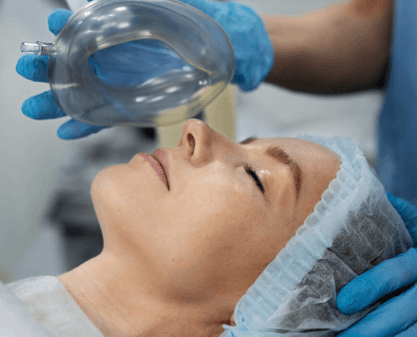
Oxygen Therapy Facial is a popular K-Beauty dermatological treatment in Korea designed to refresh, purify, and heal acne-prone skin. It works by delivering a high-pressure stream of oxygen infused with vitamins, antioxidants, or acne-fighting serums directly into the skin.
Unlike standard facials, oxygen facials in Korea are tailored for acne care—the oxygen has antibacterial properties, helps calm inflamed pimples, and accelerates skin healing after extractions or peels. This non-invasive therapy is especially valued for its instant glow and soothing effect with zero downtime.
Purpose & Benefits
- Antibacterial Action: Oxygen suppresses acne-causing bacteria.
- Calming Effect: Reduces redness and irritation after extractions.
- Hydration Boost: Deeply infuses serums into the skin.
- Healing Acceleration: Promotes recovery of inflamed acne lesions.
- Skin Brightening: Improves clarity, tone, and radiance.
Ideal Candidates
Oxygen Therapy Facial in Korea is recommended for:
- Patients with inflamed acne or sensitive skin.
- Individuals undergoing acne extractions or peels, needing calming follow-up care.
- Those who want a hydrating yet antibacterial treatment.
- Patients seeking a gentle, no-downtime facial for acne management.
Possible Risks & Complications
Oxygen facials are extremely safe, but mild temporary effects may occur:
- Redness or Warmth: Immediately after treatment, fades quickly.
- Tightness or Dryness: Rare, if hydration is insufficient.
- Rare Risks: Allergic reaction to infused serums (minimized with patch testing in Korean clinics).
Surgical Techniques Used
- Oxygen Infusion Device: Delivers pressurized oxygen with serums deep into the skin.
- Customized Serums: Often include acne-fighting ingredients like tea tree, niacinamide, or centella.
- Cooling Masks: Frequently added post-treatment to soothe and lock in hydration.
- Protocol: Recommended every 2–4 weeks for acne-prone skin.
Recovery & Aftercare
Immediately: Skin feels refreshed, plump, and calm.
1–2 Days: Redness subsides, breakouts look less inflamed.
1 Week: Brighter, more even complexion with reduced acne irritation.
Aftercare Tips:
- Apply SPF 50+ daily to protect sensitive skin.
- Use gentle, hydrating products for 2–3 days post-treatment.
- Avoid harsh exfoliants or retinoids temporarily.
- Combine with long-term acne skincare for sustained results.
Results & Longevity
- After 1 Session: Skin feels hydrated and soothed; acne redness reduced.
- After 2–3 Sessions: Noticeable decrease in acne inflammation and overall clarity.
- After 4–6 Sessions: Significant skin improvement with fewer flare-ups and long-term hydration balance.
Treatment Process in Korea
Consultation & Skin Analysis
Dermatologist selects appropriate serum for acne-prone skin.
Preparation
Cleansing, light exfoliation, and sometimes gentle extractions.
Oxygen Therapy Facial
- Step 1: Pressurized oxygen infused with acne-calming serums.
- Step 2: Oxygen jet stimulates circulation and antibacterial action.
- Step 3: Cooling mask or vitamin booster applied.
Duration: 30–45 minutes.
Post-Treatment Care
Barrier cream and sunscreen applied.
Patients can return to daily activities immediately.
Follow-Up
Sessions are often repeated every 2–4 weeks for acne control.
Unique Korean Advantages
- Customized Serums: Korean dermatologists select active solutions tailored to acne-prone skin.
- Multi-Step Programs: Oxygen facials paired with extractions, LED therapy, or acne peels.
- Soothing Finishes: Cooling drips and calming masks prevent post-treatment irritation.
- Affordable Luxury: Widely available in both dermatology clinics and premium K-Beauty centers.
Cost Range (Estimated)
- Single Oxygen Therapy Facial: USD 100 – 180
- Oxygen Facial + Extraction: USD 150 – 250
- Premium Package (Oxygen Facial + LED + Whitening Drip): USD 300 – 500
Example Korean Packages:
- Basic Oxygen Facial (3 sessions): USD 250–400
- Acne Care Program (Oxygen Facial + Extraction): USD 400–600
- Premium Package (Oxygen Facial + LED + Infusion Drips): USD 800–1,200
Popular Clinics in Seoul
- Oracle Dermatology: Oxygen facials with acne extractions.
- Banobagi Dermatology: Customized oxygen therapy + calming masks.
- Renewme Skin Clinic: Oxygen jet facials paired with LED healing light.
- View Dermatology: Acne programs combining oxygen facials + extractions.
- Chaum Anti-Aging Center: Premium oxygen facials with regenerative boosters.


