
Treatment Overview
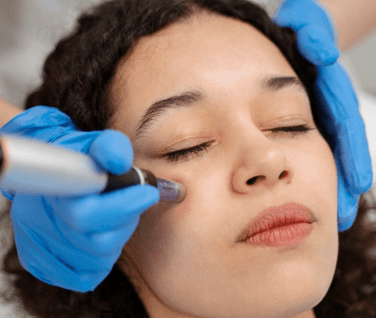
OxyGeneo is a popular non-invasive facial rejuvenation system widely used in Korean dermatology clinics for pigmentation, uneven tone, acne scars, and skin brightening. It combines three technologies in one session:
- Exfoliation: Removes dead skin and preps the skin surface.
- Oxygenation: Uses CO₂ bubbles to trigger natural oxygen flow to the skin.
- Infusion: Delivers customized active serums (such as Vitamin C, kojic acid, arbutin, or tranexamic acid) deep into the skin.
For birthmark removal, OxyGeneo is not a stand-alone cure for congenital or deep pigmented lesions, but in Korea, it is often used as a supportive therapy to lighten superficial pigmentation, even tone, and enhance results of pigment-targeting lasers like Pico, Nd:YAG, or Alexandrite.
Purpose & Benefits
- Pigment Lightening: Brightening serums (Vitamin C, kojic acid, arbutin, TXA) help fade superficial pigmentation.
- Birthmark Supportive Care: Helps lighten flat or superficial pigmented lesions when combined with laser treatments.
- Improved Circulation: Oxygenation accelerates healing after stronger birthmark procedures.
- Skin Brightening: Restores glow and reduces dullness.
- Safe & Gentle: Suitable for sensitive or post-laser skin.
Ideal Candidates
OxyGeneo with Brightening Serums in Korea is recommended for:
- Patients with superficial pigmented birthmarks or residual discoloration after laser therapy.
- Individuals seeking a gentle, non-invasive option for lightening pigmentation.
- Patients with sensitive skin who cannot tolerate aggressive treatments.
- Those wanting maintenance therapy between laser sessions.
Possible Risks & Complications
OxyGeneo is considered very safe, but mild side effects may include:
- Temporary Redness or Tingling: Resolves within hours.
- Mild Sensitivity: Especially if skin is treated right after lasers.
- Rare Risks: Minimal chance of PIH, as no high-energy devices are used.
Surgical Techniques Used
- Exfoliation Tip: Smooths the outer skin layer.
- Oxygenation Effect: Natural oxygenation enhances skin metabolism.
- Serum Infusion: Brightening agents like Vitamin C, kojic acid, arbutin, or TXA are infused for pigment lightening.
Protocol: Usually 4–6 sessions, spaced 1–2 weeks apart, often paired with lasers for birthmark removal.
Recovery & Aftercare
Immediately: Skin looks brighter, smoother, and refreshed.
1–3 Days: Pigment may look slightly darker before gradually lightening.
1–2 Weeks: More even skin tone and subtle fading of superficial marks.
Aftercare Tips:
- Daily SPF 50+ sunscreen is essential.
- Use hydrating creams and barrier-strengthening serums.
- Avoid harsh exfoliants or acids for 2–3 days.
- Combine with prescribed laser or topical treatments for stronger results.
Results & Longevity
- After 1 Session: Fresh glow, smoother texture.
- After 3–4 Sessions: Visible brightening and pigment softening.
- After 4–6 Sessions: Significant improvement in overall skin tone; birthmarks may appear lighter when combined with laser therapy.
- Long-Term: Best used as a maintenance or adjunct therapy, not a sole treatment for deep congenital birthmarks.
Treatment Process in Korea
Consultation & Skin Analysis
- Dermatologist evaluates birthmark type and decides if OxyGeneo is used as a main or supportive therapy.
Preparation
- Gentle cleansing of the face or treated area.
OxyGeneo Session
- Step 1: Exfoliation tip gently removes surface debris.
- Step 2: Oxygenation effect stimulates circulation.
- Step 3: Infusion of brightening serums (Vitamin C, kojic acid, arbutin, TXA).
- Step 4: Cooling or hydrating mask may be applied.
- Duration: 30–40 minutes.
Post-Treatment Care
- Hydrating cream and sunscreen applied.
- Patients can return to daily life immediately.
Follow-Up
- 4–6 sessions for best results.
- Often combined with Pico, Alexandrite, or Nd:YAG lasers for true birthmark removal.
Unique Korean Advantages
- Customized Brightening Serums: Korean clinics often tailor OxyGeneo serums (Vitamin C, TXA, kojic acid) to target pigmentation.
- Combination Packages: OxyGeneo commonly offered as an add-on after laser therapy for faster recovery and better results.
- Gentle for Asian Skin: Low risk of PIH rebound.
- Affordable Multi-Sessions: Widely available at competitive pricing.
Cost Range (Estimated)
- Single Session: USD 100 – 180
- 4–6 Session Package: USD 400 – 800
- Premium Program (OxyGeneo + Lasers/Boosters): USD 1,000 – 1,800
Additional Costs:
- Consultation: USD 20 – 50
- Add-ons (Glutathione/Whitening drips, PRP, boosters): USD 150 – 400
Example Korean Packages:
- Basic Brightening OxyGeneo (5 sessions): USD 500–600
- Advanced PIH/Birthmark Program (OxyGeneo + Whitening Drips): USD 900–1,200
- Premium Birthmark Support (OxyGeneo + Pico + Boosters): USD 1,500–2,000
Popular Clinics in Seoul
- Oracle Dermatology: OxyGeneo + Nd:YAG for pigment and glow.
- Banobagi Dermatology: OxyGeneo with Vitamin C serums + Pico for pigmentation.
- Renewme Skin Clinic: OxyGeneo + whitening drips for maintenance after laser birthmark removal.
- View Plastic & Dermatology: OxyGeneo with laser programs for texture + pigment.
- Chaum Anti-Aging Center: Premium OxyGeneo with regenerative boosters.


