
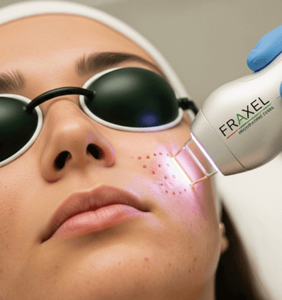
Treatment Overview
The Pastelle Q-Switched Nd:YAG Laser is a dual-wavelength nanosecond laser system (1064 nm + 532 nm) widely used in Korean dermatology clinics for treating pigmentation, uneven tone, and overall skin brightening. It delivers short, high-energy pulses that break down melanin into smaller fragments, which are then cleared naturally by the body.
In Korea, Pastelle is often used for freckles, sunspots, PIH (post-inflammatory hyperpigmentation), melasma, and overall skin toning. Known for its stable energy output and precision, it has become a trusted choice for laser toning programs and pigment clearance tailored for Asian skin.
Purpose & Benefits
- Pigment Clearance: Effectively reduces freckles, sunspots, lentigines, and melasma.
- Melasma-Friendly: Low-fluence toning protocols help manage melasma safely.
- Skin Brightening: Improves overall clarity, glow, and evenness of tone.
- Collagen Stimulation: Encourages mild dermal remodeling for smoother skin.
- Safe for Asian Skin: Designed to reduce risk of PIH rebound.
Ideal Candidates
Pastelle Q-Switched Nd:YAG in Korea is recommended for:
- Adults with sunspots, freckles, or PIH.
- Patients with melasma requiring gentle, repeated laser toning.
- Those with dull, uneven skin tone seeking overall brightening.
- Individuals with sensitive or PIH-prone skin needing safe protocols.
- Patients looking for an affordable alternative to Pico lasers.
Possible Risks & Complications
- Redness & Warmth: Mild, subsides in a few hours to 1 day.
- Darkening of Pigment Spots: Temporary, spots flake or fade in days.
- Dryness or Flaking: May occur as pigment sheds.
- Rare Risks: PIH rebound if aggressive settings or poor aftercare.
- Multiple Sessions Needed: Best results seen after a full treatment course.
Surgical Techniques Used
- 1064 nm Mode: Penetrates deeper, suitable for melasma and dermal pigment.
- 532 nm Mode: Targets superficial pigment such as freckles and lentigines.
- Q-Switched Nanosecond Pulses: Shatter melanin clusters with minimal heat diffusion.
- Laser Toning Protocols: Gentle, repeated passes for melasma and skin brightening.
- Protocol: Typically 5–10 sessions, spaced 2–4 weeks apart.
Recovery & Aftercare
- Immediately: Mild redness or tingling.
- 1–3 Days: Pigment may darken or form micro-crusts.
- 3–7 Days: Spots flake off; skin looks clearer and brighter.
- 1–2 Weeks: More even tone and reduced pigmentation.
Aftercare Tips:
- Use SPF 50+ sunscreen daily to prevent recurrence.
- Avoid excessive heat, saunas, or strenuous exercise for 48 hours.
- Keep skin moisturized with soothing creams.
- Avoid exfoliants, retinoids, and harsh skincare until fully recovered.
- Do not scratch or peel darkened spots.
Results & Longevity
- After 1 Session: Fresher glow, slight pigment fading.
- After 3–5 Sessions: Visible reduction in freckles, PIH, and melasma.
- After 6–10 Sessions: Significant pigment clearance and overall skin brightening.
- Long-Term: Maintenance every 6–12 months recommended for melasma and recurrent pigment.
Treatment Process in Korea
1. Consultation & Skin Analysis
- Dermatologist examines pigmentation depth and type.
- Melasma patients often require specialized low-fluence plans.
2. Preparation
- Gentle cleansing and makeup removal.
- Protective eyewear for patient and staff.
- Numbing cream generally not required due to mild discomfort.
3. Pastelle Laser Session
- Step 1: 532 nm laser for freckles, lentigines, and superficial pigment.
- Step 2: 1064 nm laser for melasma, PIH, and deeper pigmentation.
- Step 3: Multiple passes for full-face toning to enhance brightness.
- Step 4: Cooling mask or antioxidant serum applied afterward.
- Duration: 15–25 minutes.
4. Post-Treatment Care in Clinic
- Application of soothing cream and sunscreen.
- Optional LED or cooling therapy.
5. Follow-Up
- Typically 5–10 sessions, depending on pigment severity.
- Frequently paired with whitening drips or Pico lasers for stubborn pigment.
Unique Korean Advantages
- Refined Toning Protocols: Korean dermatologists specialize in safe low-fluence approaches for melasma.
- Combination Programs: Pastelle is often included in whitening packages with Pico, Genesis, or V-Beam.
- Safe for Asian Skin: Designed to minimize PIH risk in Fitzpatrick III–V skin types.
- Cost-Effective: More affordable than advanced Pico lasers while still effective.
Cost Range (Estimated)
- Single Session (Full Face): USD 100 – 250
- 5–10 Session Package: USD 500 – 1,200
- Premium Program (Pastelle + Whitening Drips + Boosters): USD 1,000 – 2,000
Additional Costs:
- Consultation: USD 20 – 50
- Add-ons (Glutathione, Vitamin C, TXA infusions): USD 100 – 200
- Boosters (PRP, Rejuran, Exosomes): USD 200 – 500
- LED Cooling Mask or Therapy: USD 30 – 80
Popular Clinics in Seoul
- Oracle Dermatology: Pastelle toning for melasma and PIH.
- Banobagi Dermatology: Pastelle combined with Pico for stubborn pigmentation.
- Renewme Skin Clinic: Pastelle with whitening serums and brightening programs.
- View Plastic & Dermatology: Pastelle for freckles and combination therapy.
- Chaum Anti-Aging Center: Pastelle as part of premium pigment + rejuvenation programs.


