
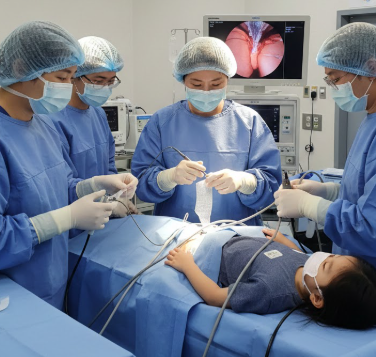
Treatment Overview
Pediatric bladder sling surgery is a specialized minimally invasive procedure designed to treat stress urinary incontinence (SUI) or bladder instability in children. The surgery involves placing a supportive sling under the urethra to provide stability and improve bladder control. Korea is internationally recognized for pediatric urology expertise, combining advanced surgical techniques, child-friendly care, and high-precision facilities to ensure optimal outcomes for young patients.
Purpose & Benefits
The main purpose of pediatric bladder sling surgery is to restore urinary continence, prevent complications, and improve the child’s quality of life. Key benefits include:
- Effectively reduces or eliminates urinary incontinence in children
- Minimally invasive with small incisions and faster recovery
- High precision to accommodate pediatric anatomy
- Low risk of complications when performed by experienced surgeons
- Improves confidence, social development, and overall well-being
- Can be combined with other reconstructive or corrective procedures if necessary
Korean pediatric urology teams customize surgical plans according to the child’s anatomy and condition severity.
Ideal Candidates
Ideal candidates for pediatric bladder sling surgery include:
- Children with stress urinary incontinence or bladder instability due to congenital or acquired conditions
- Patients who have not responded adequately to conservative treatments, including bladder training or medications
- Children in good overall health without active urinary tract infections
- Medically suitable for anesthesia and minimally invasive surgery
Preoperative evaluation typically involves a detailed urological exam, urinalysis, ultrasound, and urodynamic studies to determine the most appropriate surgical approach.
Possible Risks & Complications
While pediatric bladder sling surgery is generally safe, potential risks include:
- Temporary urinary retention
- Sling erosion or exposure
- Urinary tract infections
- Pelvic discomfort or pain
- Rare bladder, urethral, or bowel injury
- Minor bleeding or anesthetic complications
Korean surgeons minimize risks with pediatric-specific techniques and precise sling placement.
Techniques & Technology Used
Korean hospitals employ advanced pediatric surgical techniques, including:
- Minimally invasive sling placement tailored for pediatric anatomy
- Single-incision or laparoscopic approaches to reduce tissue trauma
- Real-time imaging guidance for accurate sling positioning
- Integration with pre- and post-operative urodynamic studies
- Close postoperative monitoring to ensure safety and effective outcomes
These technologies optimize precision and reduce the likelihood of complications.
Treatment Process in Korea
The treatment process typically includes:
- Preoperative assessment including pediatric urology exam, urinalysis, and urodynamic studies
- Surgery performed under general anesthesia, typically lasting 1–2 hours
- Observation and recovery in hospital for 1–2 days depending on the child’s condition
- Follow-up visits to monitor healing, continence, and sling function
- Bladder training or pelvic floor exercises may be recommended to support recovery
Multilingual coordinators assist international families with appointments, travel, and post-operative care instructions.
Recovery & After-Care
Recovery in children is generally smooth due to minimally invasive techniques. Postoperative care includes:
- Avoiding strenuous activity for several weeks as advised by the surgeon
- Maintaining hydration and monitoring urinary output
- Attending scheduled follow-up visits to assess healing and sling function
- Guidance on bladder training or exercises to reinforce continence
Most children resume normal daily activities within 2–3 weeks under parental supervision.
Results & Longevity
Pediatric bladder sling surgery in Korea has high success rates, with over 85–90% of children achieving significant improvement in continence. Results are long-lasting, and repeat procedures are rarely required. The surgery helps children develop confidence and improve their social and educational participation.
Why Korea Is a Top Destination
Korea is preferred for pediatric bladder sling surgery due to:
- Pediatric urology specialists with extensive experience in minimally invasive sling procedures
- Advanced surgical technologies designed for child safety and precision
- Child-friendly hospitals with specialized pediatric care
- Short hospital stays and structured recovery programs
- Multilingual support for international families
- Transparent and cost-effective treatment packages
Patients benefit from expert care, precise surgery, and structured pediatric follow-up.
Cost Range
The cost of pediatric bladder sling surgery in Korea typically ranges from USD 6,000 to USD 11,000, depending on:
- Hospital type and surgical approach
- Sling material and technique used
- Length of hospital stay and follow-up care
Comprehensive packages are available covering surgery, hospitalization, and post-operative care for international patients.
Popular Clinics in Korea
- Asan Medical Center – Pediatric Urology Clinic
- Seoul National University Hospital – Pediatric Urology & Continence Program
- Samsung Medical Center – Minimally Invasive Pediatric Sling Surgery Unit
- Severance Hospital (Yonsei University) – Pediatric Urology & Bladder Surgery Clinic
- Korea University Anam Hospital – Outpatient Pediatric Urology Center
- Seoul St. Mary’s Hospital – Pediatric Pelvic Floor & Continence Unit


