
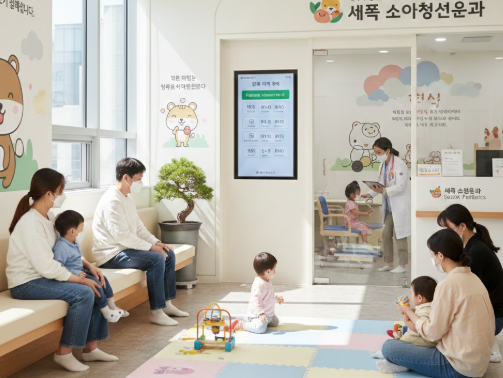
Treatment Overview
Pediatric management in Korea focuses on diagnosis, treatment, and long-term care of children with urological, urinary, and bladder conditions. Specialized pediatric urology programs address issues such as congenital urinary tract abnormalities, vesicoureteral reflux, pediatric overactive bladder (OAB), urinary tract infections (UTIs), and nocturnal enuresis.
Korean hospitals offer advanced diagnostic technology, child-friendly care environments, and personalized treatment plans, making the country a preferred destination for both domestic and international families seeking comprehensive pediatric care.
Purpose & Benefits
The purpose of pediatric management programs is to:
- Diagnose congenital and acquired urinary and bladder conditions early.
- Provide age-appropriate treatments for chronic and acute urological disorders.
- Prevent long-term complications such as kidney damage, infections, or incontinence.
- Educate parents on preventive care, healthy habits, and early intervention strategies.
Benefits include improved long-term urinary health, prevention of complications, enhanced quality of life, and peace of mind for parents and caregivers.
Ideal Candidates
Pediatric management programs are suitable for:
- Children with frequent urinary tract infections or recurrent bladder infections.
- Patients with congenital anomalies such as ureteral duplication, hypospadias, or bladder exstrophy.
- Children diagnosed with OAB, IC, or nocturnal enuresis.
- Pediatric patients requiring minimally invasive surgeries or preventive care.
- International families seeking specialized pediatric urology care in Korea.
Programs are tailored to age, diagnosis, and severity of condition, ensuring safe and effective care.
Possible Risks & Complications
While pediatric management procedures are generally safe, potential considerations include:
- Minor surgical risks: Infection, bleeding, or delayed wound healing.
- Diagnostic procedures: Temporary discomfort during urinalysis, imaging, or cystoscopy.
- Medication therapy: Side effects such as nausea, headache, or mild gastrointestinal upset.
- Behavioral or lifestyle interventions: Adjustment period for children and caregivers.
Korean pediatric hospitals emphasize safety, minimally invasive techniques, and careful monitoring to minimize risks.
Techniques & Technology Used
Korean pediatric management programs employ state-of-the-art technology and modern approaches:
- Diagnostic Imaging: Ultrasound, CT, and MRI for congenital or structural abnormalities.
- Urinalysis and Laboratory Testing: Detection of infection, hematuria, or kidney function issues.
- Cystoscopy and Endoscopy: Safe visualization of the bladder and urethra in children.
- Minimally Invasive Surgery: Laparoscopic and robotic-assisted procedures for congenital anomalies.
- Behavioral Therapy & Bladder Training: Education for children and parents to manage OAB or incontinence.
- Medication Therapy: Antibiotics, anticholinergics, or other age-appropriate pharmacological interventions.
- Telemedicine Support: For international patients needing follow-up or pre-arrival consultation.
These techniques ensure accurate diagnosis, effective treatment, and minimal discomfort for pediatric patients.
Treatment Process in Korea
The pediatric management process typically includes:
- Initial Consultation: Review of medical history, symptoms, and previous treatments.
- Diagnostic Evaluation: Laboratory tests, imaging studies, and functional bladder assessment.
- Personalized Treatment Plan: Combination of medication, behavioral therapy, or minimally invasive procedures.
- Implementation of Therapy: Age-appropriate medications, surgical interventions, or bladder training programs.
- Follow-Up Monitoring: Regular evaluation to ensure recovery, improvement, and long-term urinary health.
- Education and Support: Guidance for parents on preventive care, hygiene, diet, and bladder habits.
This process ensures comprehensive care tailored to each child’s needs.
Recovery & After-Care
Recovery and aftercare in pediatric management focus on:
- Post-Surgical Recovery: Monitoring for infection, bleeding, and proper wound healing.
- Medication Management: Ensuring safe and effective dosing for children.
- Behavioral Interventions: Reinforcing bladder training and healthy urinary habits.
- Parental Education: Teaching parents how to monitor symptoms, administer treatments, and support their child’s recovery.
- Follow-Up Appointments: Ensuring children maintain long-term urinary and bladder health.
Proper aftercare ensures effective recovery and prevention of future complications.
Results & Longevity
With pediatric management programs in Korea, children often experience:
- Improved bladder function and reduced urinary symptoms.
- Resolution of congenital or structural urinary anomalies.
- Decreased recurrence of UTIs or bladder infections.
- Long-term maintenance of urinary and kidney health.
- Enhanced quality of life for both children and families.
Consistent follow-up and adherence to treatment plans result in sustained outcomes and overall well-being.
Why Korea Is a Top Destination
Korea is a leading destination for pediatric urology due to:
- Specialized Pediatric Hospitals: Expert pediatric urologists and multidisciplinary care teams.
- Advanced Technology: Minimally invasive surgery, imaging, and diagnostic tools.
- Child-Friendly Care Environment: Facilities designed for comfort, safety, and reduced anxiety in children.
- International Patient Support: English-speaking coordinators, teleconsultation, and pre-arrival guidance.
- Comprehensive Care: Integration of surgery, medication, behavioral therapy, and long-term monitoring.
International families benefit from high-quality, safe, and efficient pediatric care in Korea.
Cost Range
The cost of pediatric management in Korea varies depending on treatment:
- Initial consultation: $100 – $250
- Diagnostic evaluation: $150 – $700
- Medication therapy: $50 – $200 per month
- Minimally invasive surgery: $1,000 – $5,000 depending on complexity
- Behavioral therapy sessions: $50 – $150 per session
- Comprehensive pediatric care packages: $1,500 – $6,000
- Telemedicine follow-up: $50 – $150
Transparent pricing allows international families to plan treatment and follow-up efficiently.
Popular Clinics in Korea
Top hospitals and clinics offering pediatric management include:
- Samsung Medical Center, Seoul
- Asan Medical Center, Seoul
- Severance Hospital (Yonsei University), Seoul
- Seoul National University Hospital, Seoul
- CHA Bundang Medical Center, Seongnam
These centers provide expert evaluation, specialized pediatric care, and international patient support.


