
Treatment Overview
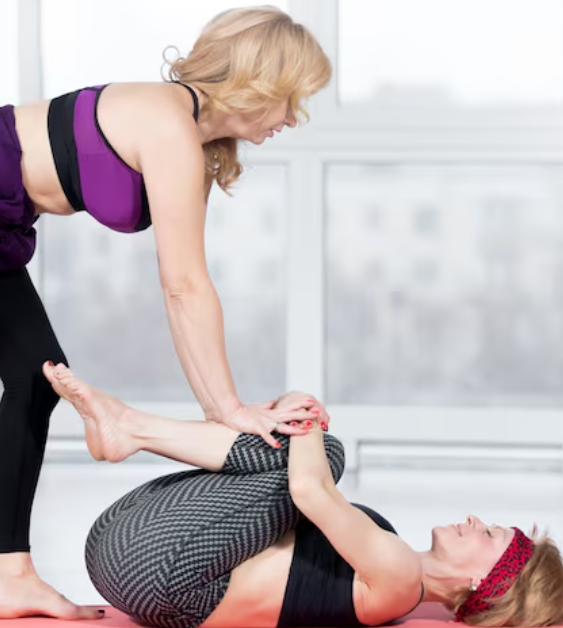
Pelvic stability and balance training in Korea within the women’s health / pelvic floor & urogynecology field is a structured rehabilitative programme aimed at restoring the functional balance of the pelvis, hips, core and lower back. The therapy emphasises controlled movement patterns, postural alignment, strength of deep stabilising muscles (including the pelvic floor, transverse abdominis, multifidus, gluteals), neuromuscular coordination, and proper weight-bearing mechanics. In a Korean clinic setting, this often forms part of a comprehensive pelvic floor physical therapy service that may include manual therapy, biofeedback, electrical stimulation, functional exercise training and lifestyle education.
Purpose & Benefits
The purpose of pelvic stability & balance training is to rebuild the integration between the pelvic floor, core and skeletal alignment so that the pelvis becomes a stable platform for movement, rather than a weak link. Benefits include improved core and pelvic support, enhanced posture and gait, fewer episodes of pelvic floor stress (such as leakage during lifting or sudden movement), reduced lower-back/hip/pelvic girdle pain, improved functional movement (lifting, squatting, carrying infants), faster recovery postpartum, better coordination of breathing and pelvic floor activation and overall enhanced quality of life. In Korea, the approach often integrates holistic care with advanced physiotherapy techniques and attention to detail.
Ideal Candidates
Ideal candidates for pelvic stability & balance training are women who have recently given birth or have had pelvic floor weakness, core instability, or altered posture. Women who experience pelvic floor symptoms during physical activity (e.g., leakage, heaviness, inability to engage core/pelvic floor properly), those with recurrent low-back or hip pain linked to pelvic floor dysfunction, women recovering from pelvic surgery or with musculoskeletal imbalance of the pelvis/hips/spine, and those who want to return safely to fitness, lifting or motherhood responsibilities. Also women for whom previous pelvic floor training alone didn’t restore functional movement patterns are good candidates.
Possible Risks & Complications
As a non-surgical, exercise-/therapy-based approach, risks are minimal but should still be noted. Potential issues include temporary muscle soreness, fatigue or discomfort as new movement patterns are learned; improper technique may reinforce compensatory patterns (e.g., hip-dominant instead of core-pelvic control) and possibly worsen symptoms. If underlying anatomical damage (e.g., major ligament tear, severe prolapse) is present but not addressed, stability training alone may be insufficient and could delay appropriate care. It’s important that assessment and training be guided by a qualified pelvic floor physiotherapist in coordination with a gynecologist/urogynecologist.
Surgical Techniques Used
While stability and balance training is not a surgical treatment in itself, in a comprehensive care model in Korea it may be paired with surgery when needed (for example pelvic floor reconstruction, prolapse repair or pelvic stabilisation procedures). Following surgical correction of structure, the training phase becomes critical to restore functional strength, alignment, posture, and balanced movement. Surgical interventions will thus restore structural integrity and training will restore functional performance.
Recovery & Aftercare
Patients engaging in pelvic stability & balance training typically attend supervised sessions 1–2 times per week for a period of 4-8 weeks (or longer depending on complexity), and then transition into a home-based maintenance programme. Aftercare includes core and pelvic floor muscle training, posture and movement education (how to lift/carry/stand/sit with optimal alignment), lifestyle modifications (avoiding chronic strain, managing weight, correcting gait/posture), periodic reassessments of stability and balance, and sometimes booster sessions monthly or quarterly to maintain gains. For post-surgical patients additional restrictions (avoid heavy lifting or high impact for specified period) are typical until alignment, muscle control and functional stability are restored.
Results & Longevity
When properly performed and adhered to, women typically experience stronger functional pelvic floor and core muscles, improved posture and alignment, fewer symptoms during everyday functional tasks, less pelvic/back/hip discomfort, and improved confidence in movement and activity. The longevity of results depends on consistency of home exercise, movement habits, avoiding high-risk loads too early, and addressing underlying risk factors (obesity, heavy lifting, chronic cough, etc.). Korean clinics often emphasize maintenance and follow-up so that the results last long term.
Cost Range
In Korea, approximate cost estimates for pelvic stability & balance training programmes are:
- Initial consultation and assessment: approximately ₩ 50,000 to ₩ 100,000 (roughly USD 40-75).
- Per supervised training session (core/pelvic stability): around ₩ 70,000 to ₩ 150,000 (USD 50-110).
- Package programmes (for example 8-10 sessions) might range from roughly ₩ 560,000 to ₩ 1,200,000 (USD 415-900).
- Additional diagnostics (postural/movement analysis, imaging) may incur further cost.
Best Clinics in Korea
Here are several highly regarded clinics in Korea specialising in pelvic floor physical therapy including pelvic stability & balance training:
- Gangnam J Urology Clinic (Seoul, Gangnam District) — Known for specialised pelvic floor dysfunction programmes encompassing balance, stability, movement retraining.
- SH Clinic (Seoul, Sinsa) — Women’s health centre offering multidisciplinary pelvic rehabilitation including core/pelvic stability for women returning to high-activity life.
- Sinsoe Women’s Clinic (Seoul, Gangnam District) — Offers tailored programmes for pelvic floor integration with posture and balance training, suited for international patients.


