
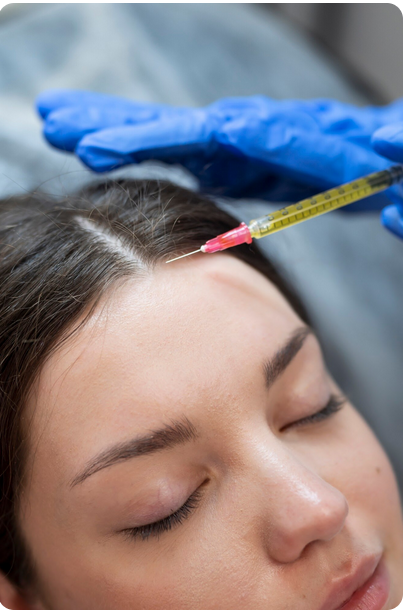
Peptide therapy has gained international popularity for its wide-ranging benefits—from fat loss and anti-aging to healing and hormonal balance. But South Korea’s approach to peptide therapy is setting a new global standard, combining precision medicine, aesthetic integration, and medical innovation.
So, what exactly makes peptide therapy in Korea different from Western practices? Let’s explore the key factors that make Korea’s methodology unique, more holistic, and in many cases, more effective.
🇰🇷 1. Integrative Treatment Philosophy
In Korea, peptide therapy is rarely a standalone treatment. Clinics blend Eastern wellness philosophy with Western biotechnology, offering integrative programs that enhance overall health and appearance. Peptides are often paired with:
- IV nutrient drips
- Skin boosters
- Hormonal optimization
- Laser or microneedling treatments
- Lifestyle and diet tracking
In contrast, Western clinics often focus on isolated peptide protocols (e.g., CJC-1295 or BPC-157 alone) without integrating them into broader health or aesthetic regimens.
🧬 2. Precision-Based Diagnostics
Before starting peptide therapy in Korea, patients usually undergo comprehensive diagnostic testing, including:
- Hormone panels
- Inflammation and metabolic markers
- Skin condition analysis
- Body composition scans
- Gut and liver function screening
This allows Korean doctors to customize peptide protocols based on individual biomarkers, ensuring higher safety and better results.
Western clinics often skip deep diagnostics unless working with a functional medicine specialist, which can lead to generalized treatments.
💉 3. More Advanced & Diverse Delivery Methods
Korean clinics frequently use innovative peptide delivery systems, including:
- Microneedling with peptides for skin rejuvenation (e.g. GHK-Cu, copper peptides)
- Mesotherapy injections for localized fat loss and skin texture improvement
- Peptide-rich skin boosters (e.g. Rejuran, Salmon DNA with GHK-Cu)
- IV infusions combining peptides with vitamins, minerals, or glutathione
These techniques are less common in the West, where most peptides are administered via self-injection or prescribed orally/subcutaneously with less emphasis on skin or aesthetic outcomes.
👩⚕️ 4. Doctor-Led Treatments in Medically Licensed Clinics
In Korea, peptide therapy is strictly administered under medical supervision. Only board-certified physicians (typically with training in anti-aging, dermatology, or internal medicine) are allowed to prescribe and administer peptides.
In the West, peptide therapy can be less regulated, with some patients accessing peptides online or through wellness clinics with minimal physician oversight.
🧖♀️ 5. Strong Focus on Beauty and Aesthetics
Unlike in the West, where peptides are often used for athletic performance or longevity alone, Korea places a strong emphasis on visible results, especially for:
- Skin texture and elasticity
- Pigmentation and scarring
- Hair restoration
- Facial slimming or anti-aging
Peptides are often included in signature “K-beauty” treatments, making them appealing to both medical tourists and locals seeking radiant, youthful skin.
🧪 6. Superior Product Quality and Regulatory Oversight
Korea has stringent safety and efficacy standards regulated by the Ministry of Food and Drug Safety (MFDS). As a result:
- Peptides used in clinics are pharmaceutical-grade
- Custom peptide blends are locally compounded or sourced from trusted suppliers
- Treatments are consistently monitored and adjusted for safety
By comparison, the Western market includes a larger gray area of unregulated peptides sold online, which can lead to inconsistent results or safety concerns.
🌍 7. Medical Tourism Experience & English-Friendly Services
Korea is a global leader in medical tourism, offering:
- English-speaking doctors and coordinators
- Transparent pricing and concierge care
- Airport transfers and hotel partnerships
- Wellness travel packages including peptides, IV drips, and skin treatments
This professional, hospitality-driven experience is far more polished than most Western clinics, which tend to cater only to domestic patients.
🧠 8. Emphasis on Education & Patient Monitoring
Korean clinics often provide:
- Ongoing telemedicine follow-ups
- Diet and lifestyle coaching
- App-based treatment tracking
- Transparent, easy-to-understand treatment plans
Patients are treated as partners in their anti-aging journey, which builds long-term trust and helps achieve sustainable results.
In many Western clinics, patients are left to self-administer with minimal ongoing monitoring unless under specialized care.
🧭 Summary Table: Korea vs. the West in Peptide Therapy
| Feature | Korea | Western Clinics |
|---|---|---|
| Integrated treatments | ✅ Yes (with IVs, lasers, skin boosters) | ❌ Often separate |
| Diagnostic testing | ✅ Comprehensive | ❌ Variable |
| Aesthetic applications | ✅ Strong focus | ❌ Less common |
| Product quality | ✅ Pharmaceutical, regulated | ⚠️ Some gray-market risks |
| Treatment oversight | ✅ Physician-administered | ❌ Often self-injection |
| English-friendly services | ✅ Available in top clinics | ❌ Rare |
| Medical tourism experience | ✅ Concierge-level | ❌ Limited |
| Follow-up and lifestyle coaching | ✅ Emphasized | ❌ Inconsistent |
✨ Final Thoughts
Korea’s approach to peptide therapy is not just about injecting a molecule—it’s about building a medically guided, personalized, and beauty-enhancing health experience.
If you’re looking for:
- Peptide therapy that addresses both health and skin
- Professional diagnostics and aesthetic integration
- English-friendly care in a world-class clinic
Then Korea is likely your best destination for safe, effective, and results-driven peptide treatments.


